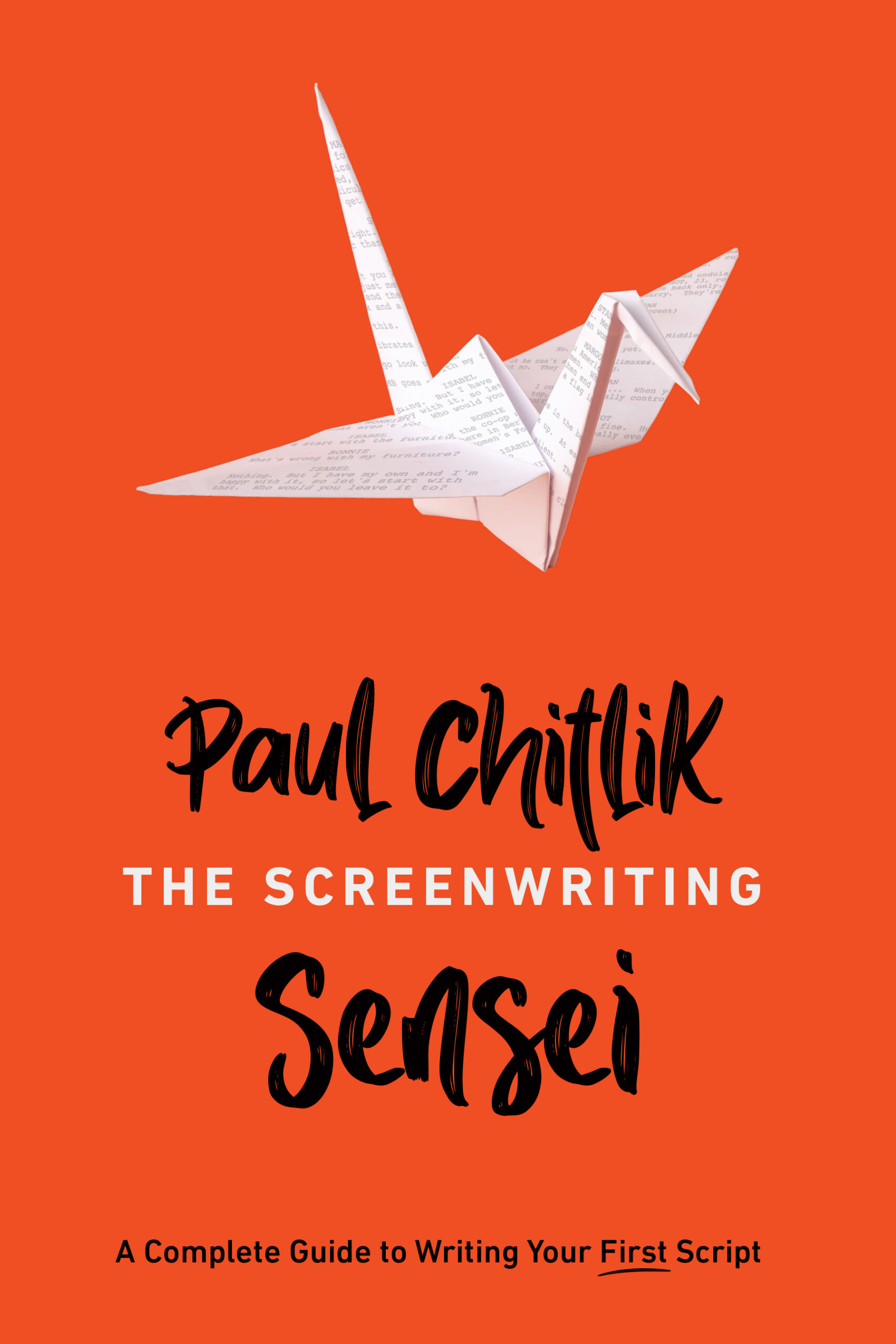
Sale Add to cart Add to wishlist Compare The Screenwriting Sensei: A Complete Guide to Writing Your First Script $27.95 $20.96 Add to cart Add to wishlist Compare
Sale Add to cart Add to wishlist Compare Post-Cinema: The Age of AI $29.95 $22.46 Add to cart Add to wishlist Compare
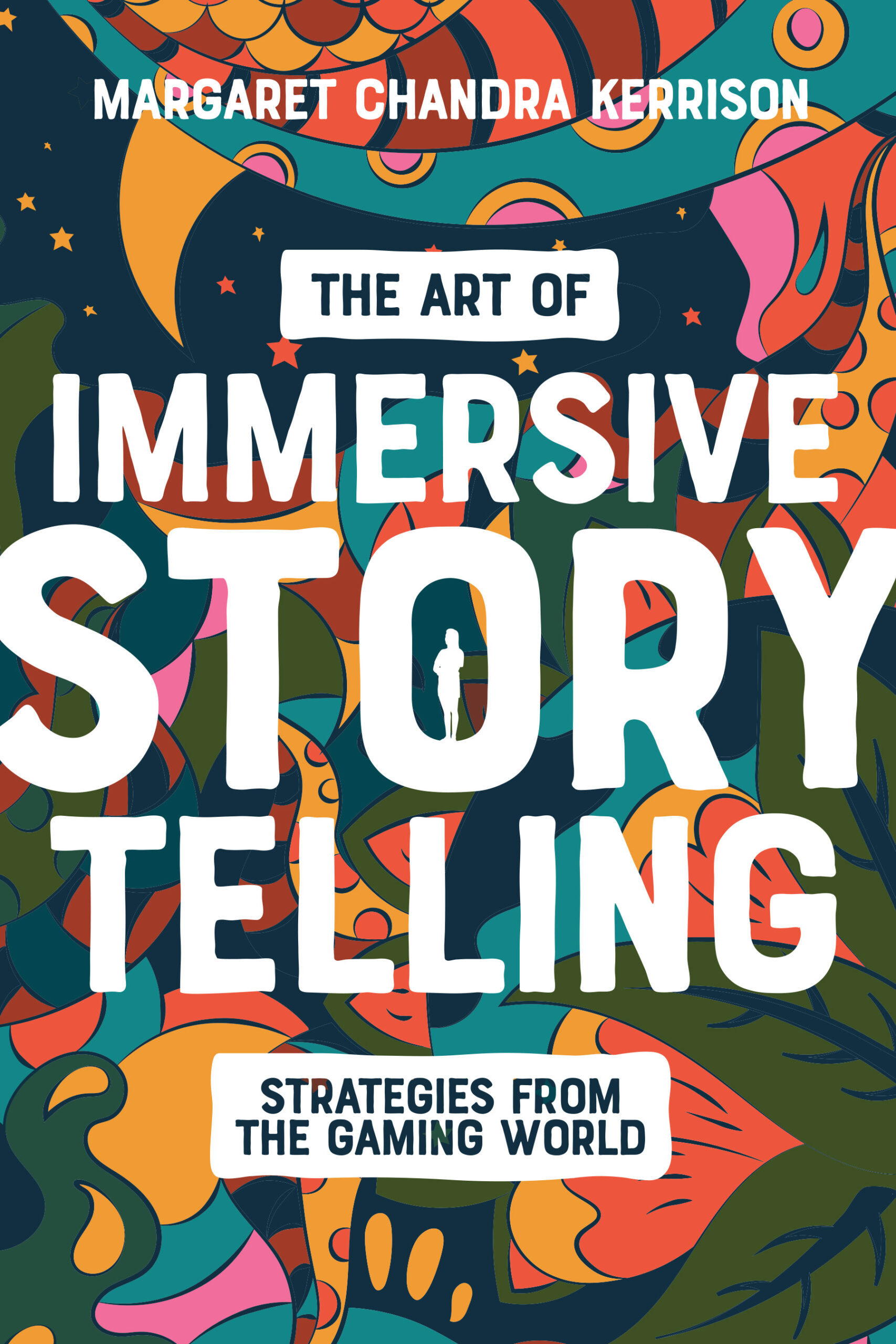
Sale Add to cart Add to wishlist Compare The Art of Immersive Storytelling: Strategies From the Gaming World $29.95 $22.46 Add to cart Add to wishlist Compare
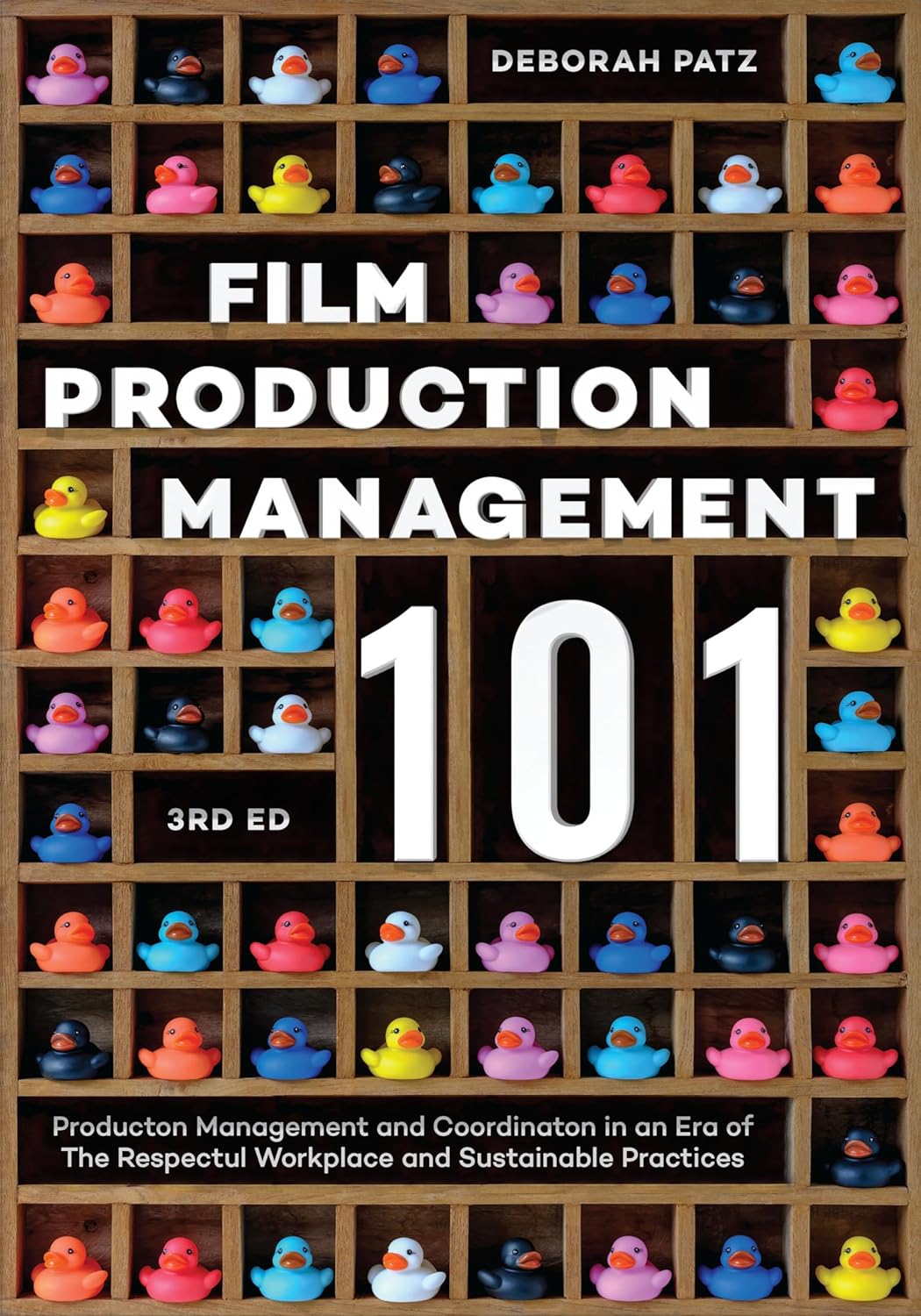
Sale Add to cart Add to wishlist Compare Film Production Management 101: Production Management and Coordination in an Era of The Respectful Workplace and Sustainable Practices $43.95 $32.96 Add to cart Add to wishlist Compare
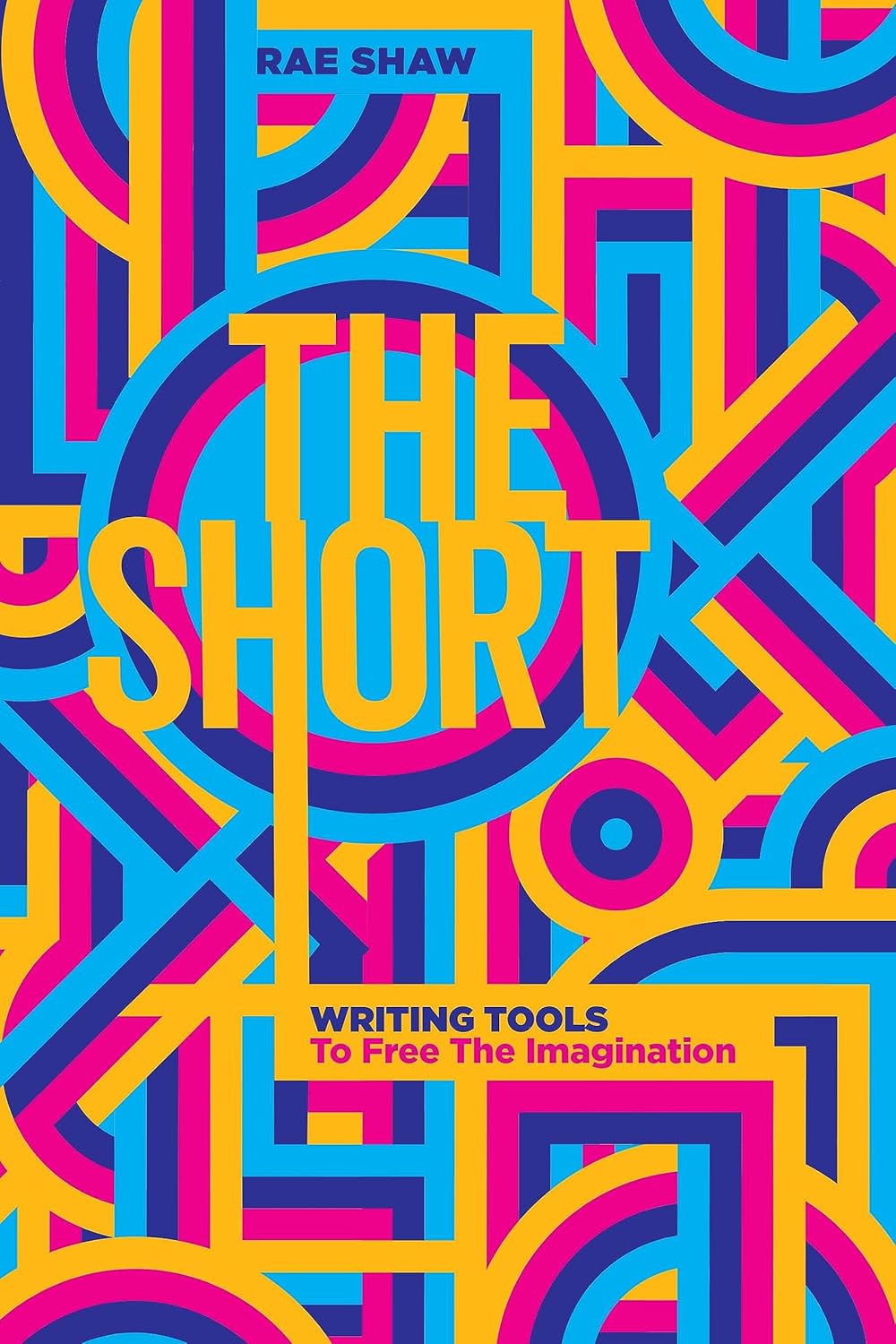
Sale Add to cart Add to wishlist Compare The Short: Personal Writing Tools to Free the Imagination $29.95 $22.46 The Power of Film Add to cart Add to wishlist Compare
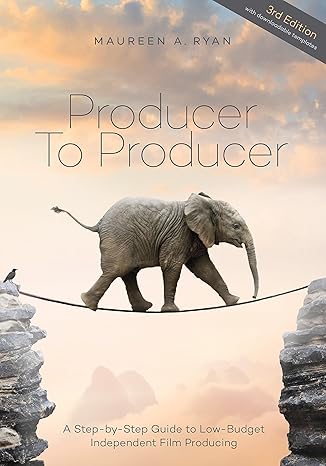
Sale Add to cart Add to wishlist Compare Producer to Producer: A Step-by-Step Guide to Low-Budget Independent Film Producing 3rd Edition $44.95 $33.71 Add to cart Add to wishlist Compare
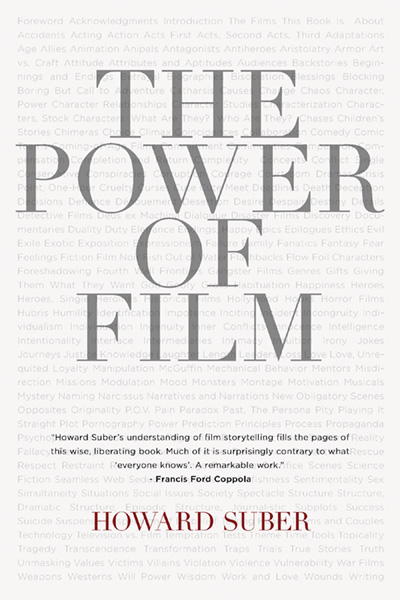
Sale Add to cart Add to wishlist Compare The Power of Film $27.95 $20.96 The Power of Film Add to cart Add to wishlist Compare
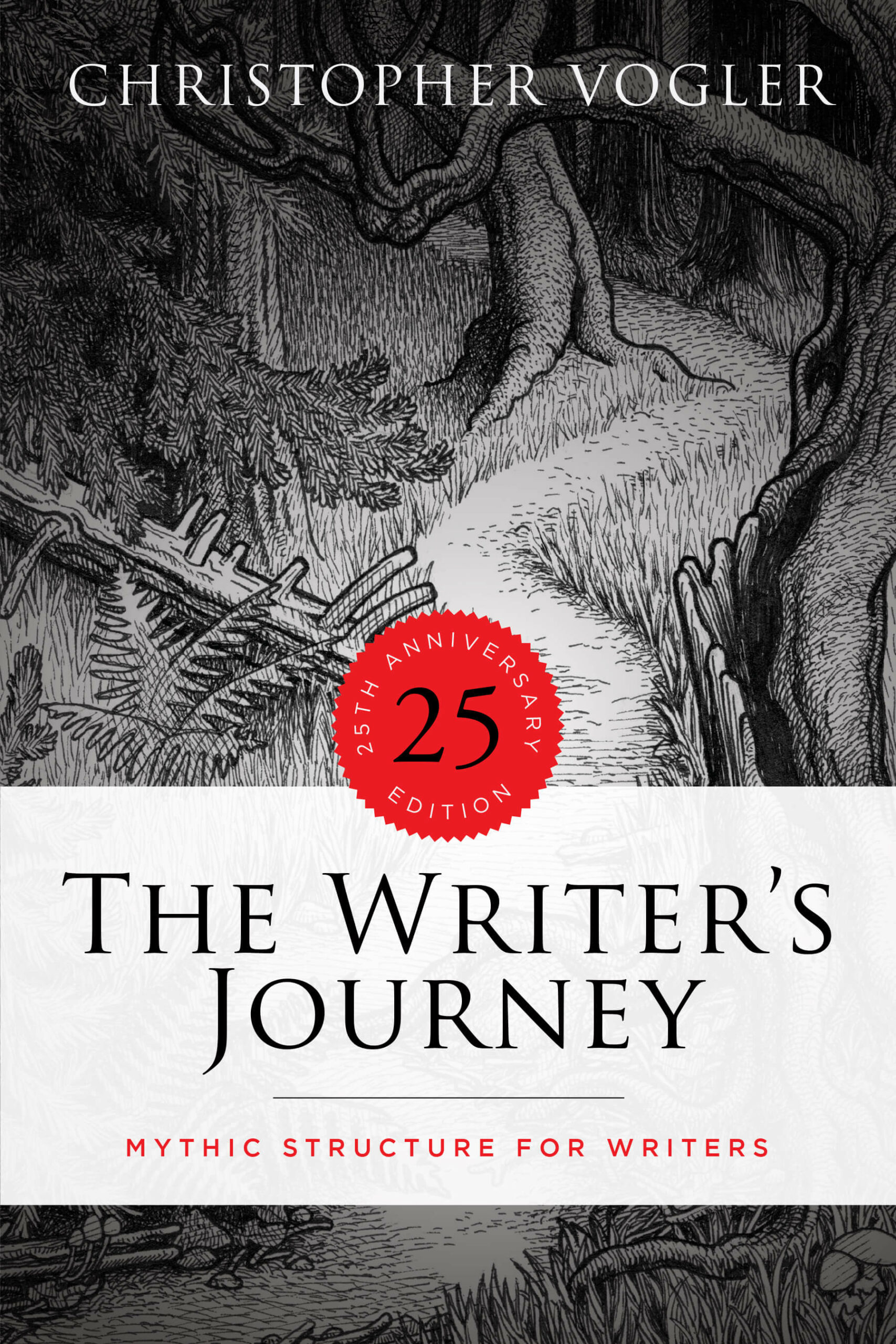
Sale Add to cart Add to wishlist Compare The Writer’s Journey – 25th Anniversary Edition: Mythic Structure for Writers $29.95 $22.46 Add to cart Add to wishlist Compare
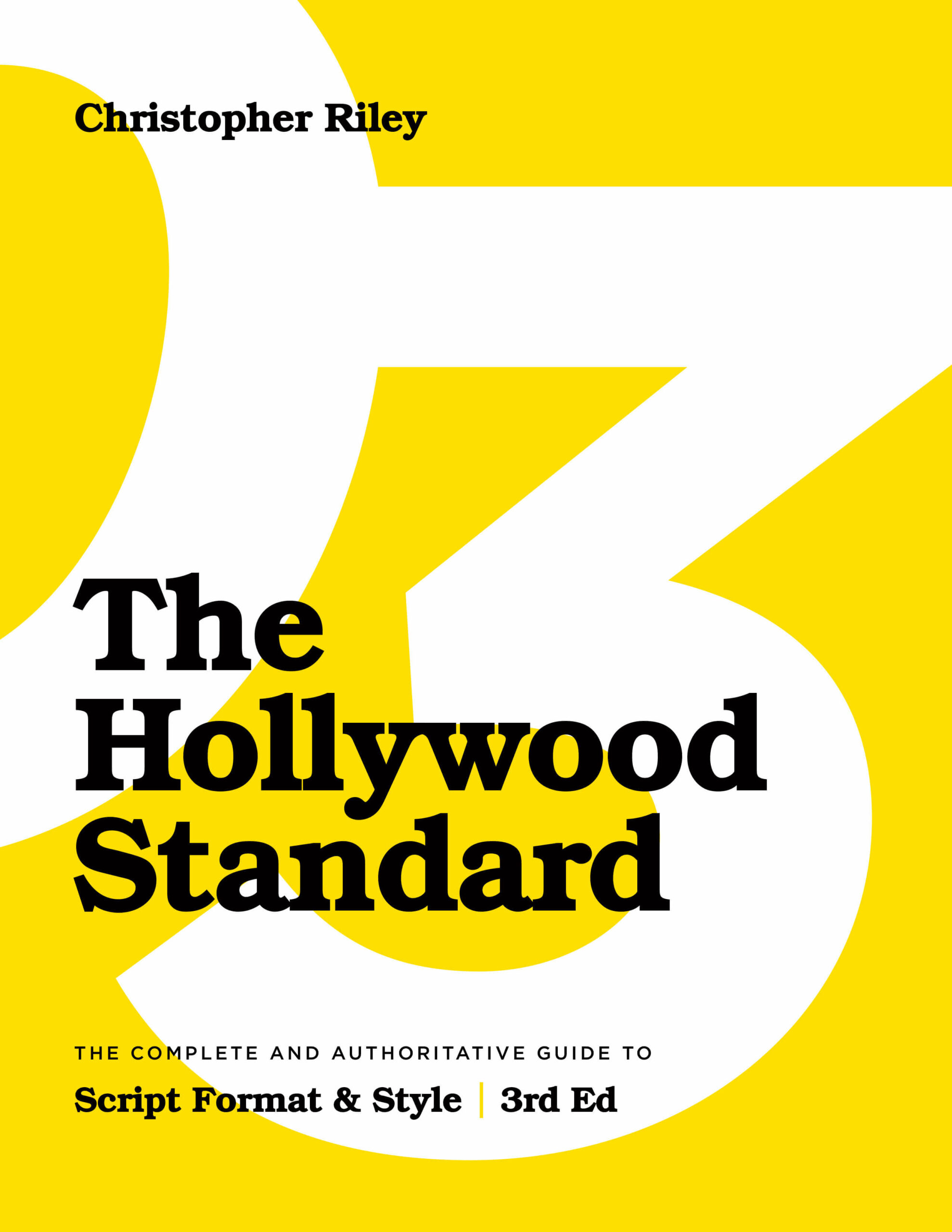
Sale Add to cart Add to wishlist Compare The Hollywood Standard: The Complete and Authoritative Guide to Script Format and Style (3rd Ed) $29.95 $22.46 Add to cart Add to wishlist Compare
Sale Add to cart Add to wishlist Compare Save the Cat: The Last Book on Screenwriting That You’ll Ever Need $22.95 $17.21 Add to cart Add to wishlist Compare
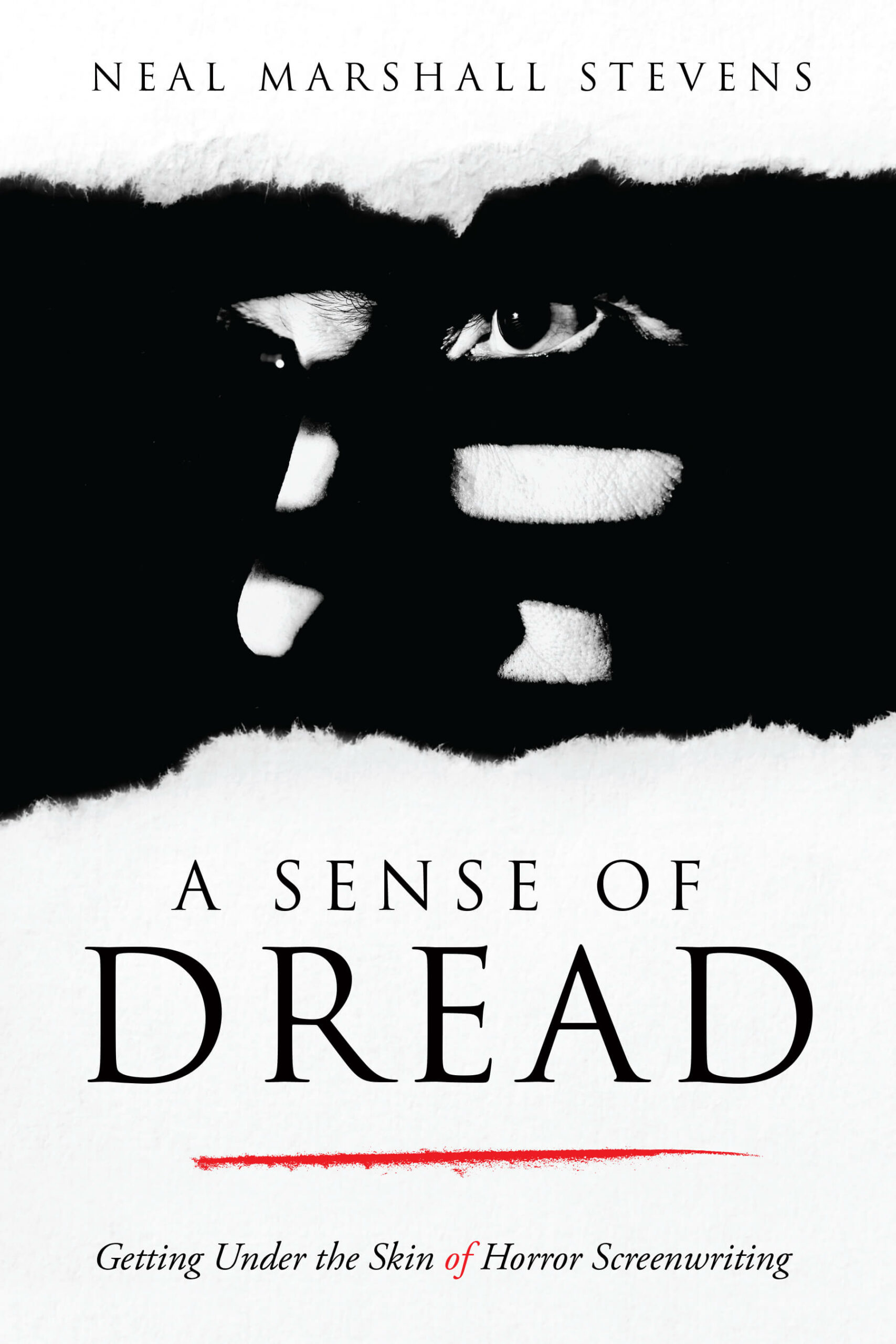
Sale Add to cart Add to wishlist Compare A Sense of Dread: Getting Under the Skin of Horror Screenwriting $26.95 $20.21 Add to cart Add to wishlist Compare
Sale Add to cart Add to wishlist Compare The Writers’ Room Survival Guide: Don’t Screw Up The Lunch Order and Other Keys to a Happy Writers’ Room $29.95 $22.46 Add to cart Add to wishlist Compare
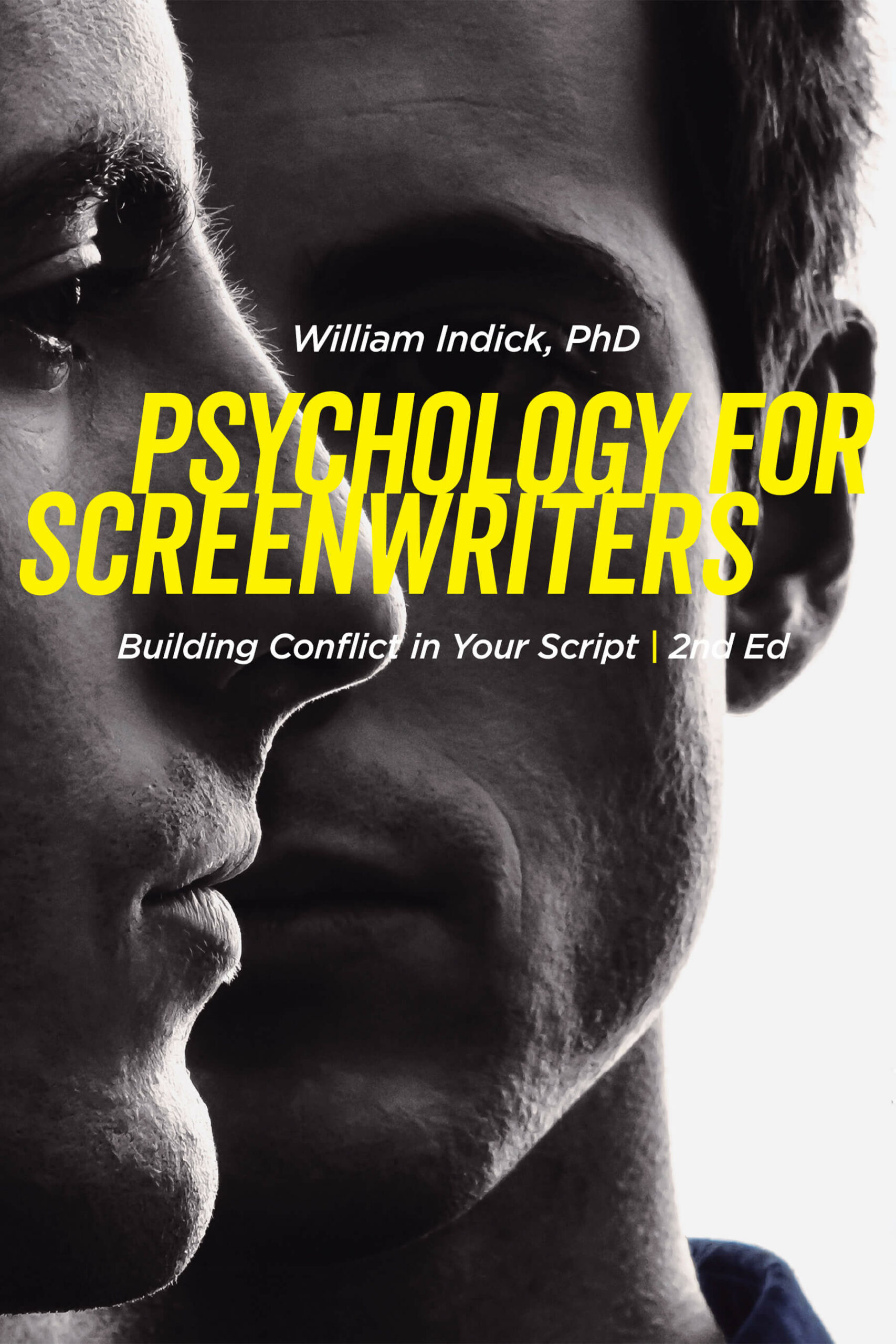
Sale Add to cart Add to wishlist Compare Psychology for Screenwriters: Building Conflict in Your Script (2nd Ed) $29.95 $22.46 Add to cart Add to wishlist Compare
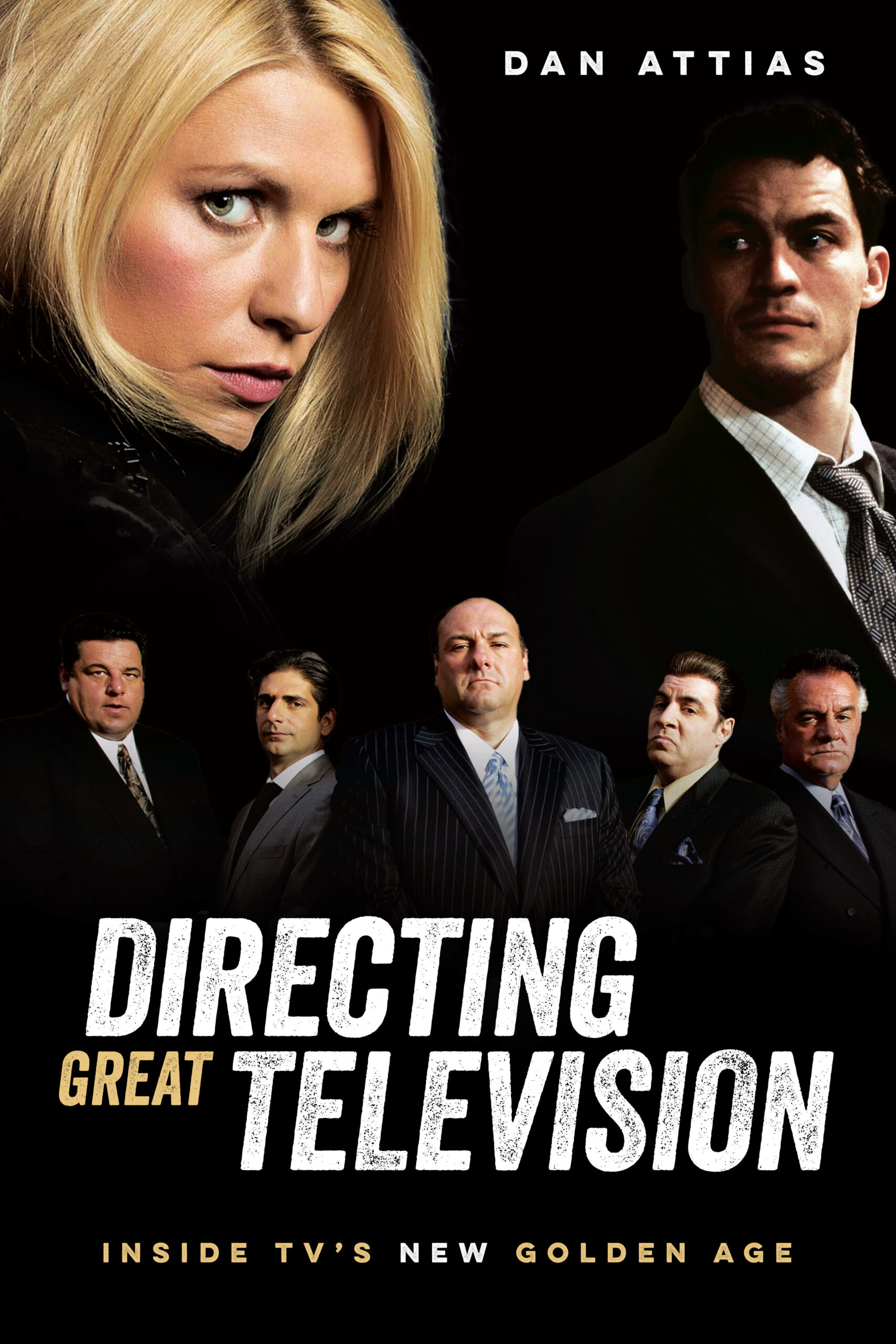
Sale Add to cart Add to wishlist Compare Directing Great Television: Inside TV’s New Golden Age $29.95 $22.46 Add to cart Add to wishlist Compare
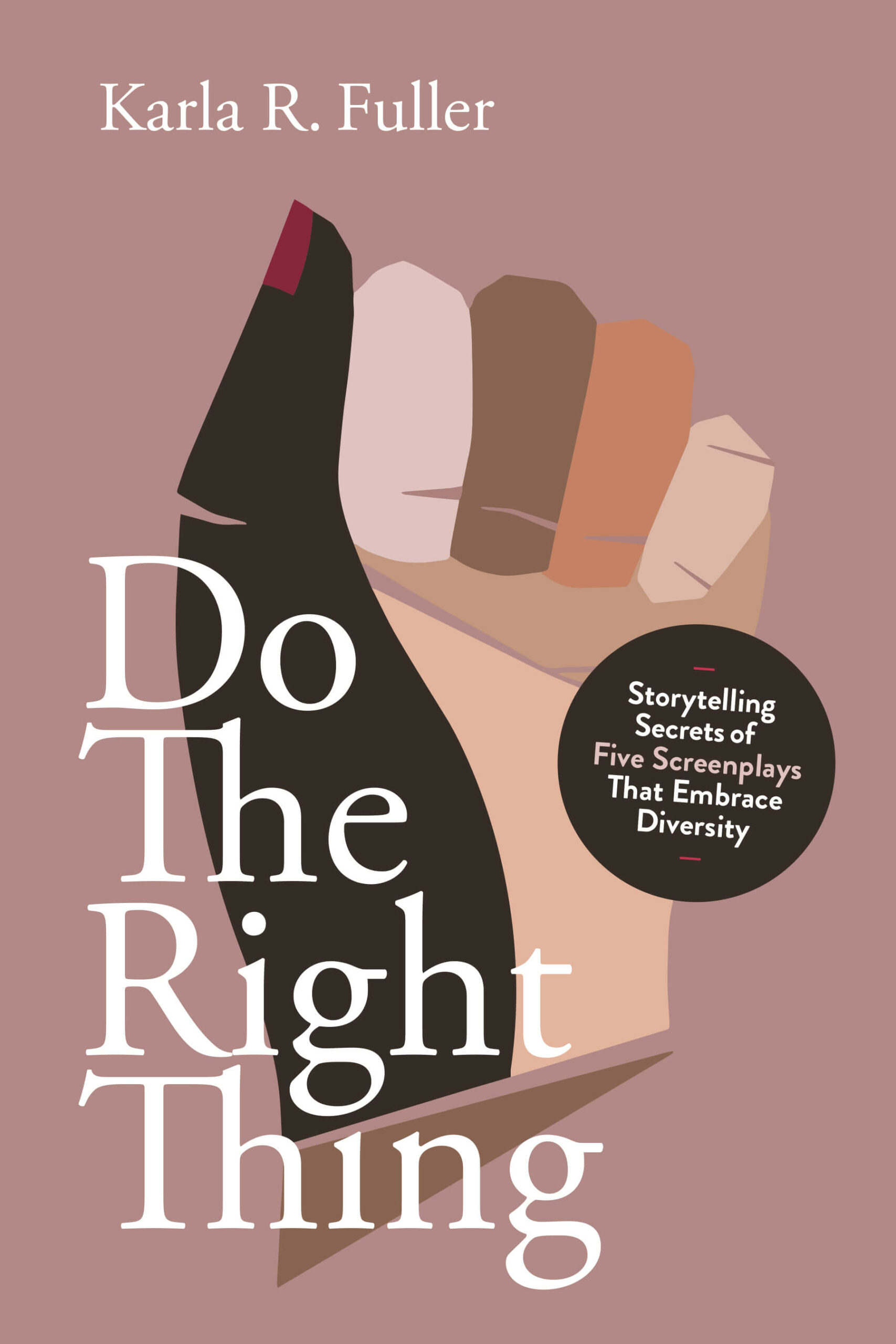
Sale Add to cart Add to wishlist Compare Do the Right Thing: Five Screenplays that Embrace Diversity $26.95 $20.21 Add to cart Add to wishlist Compare
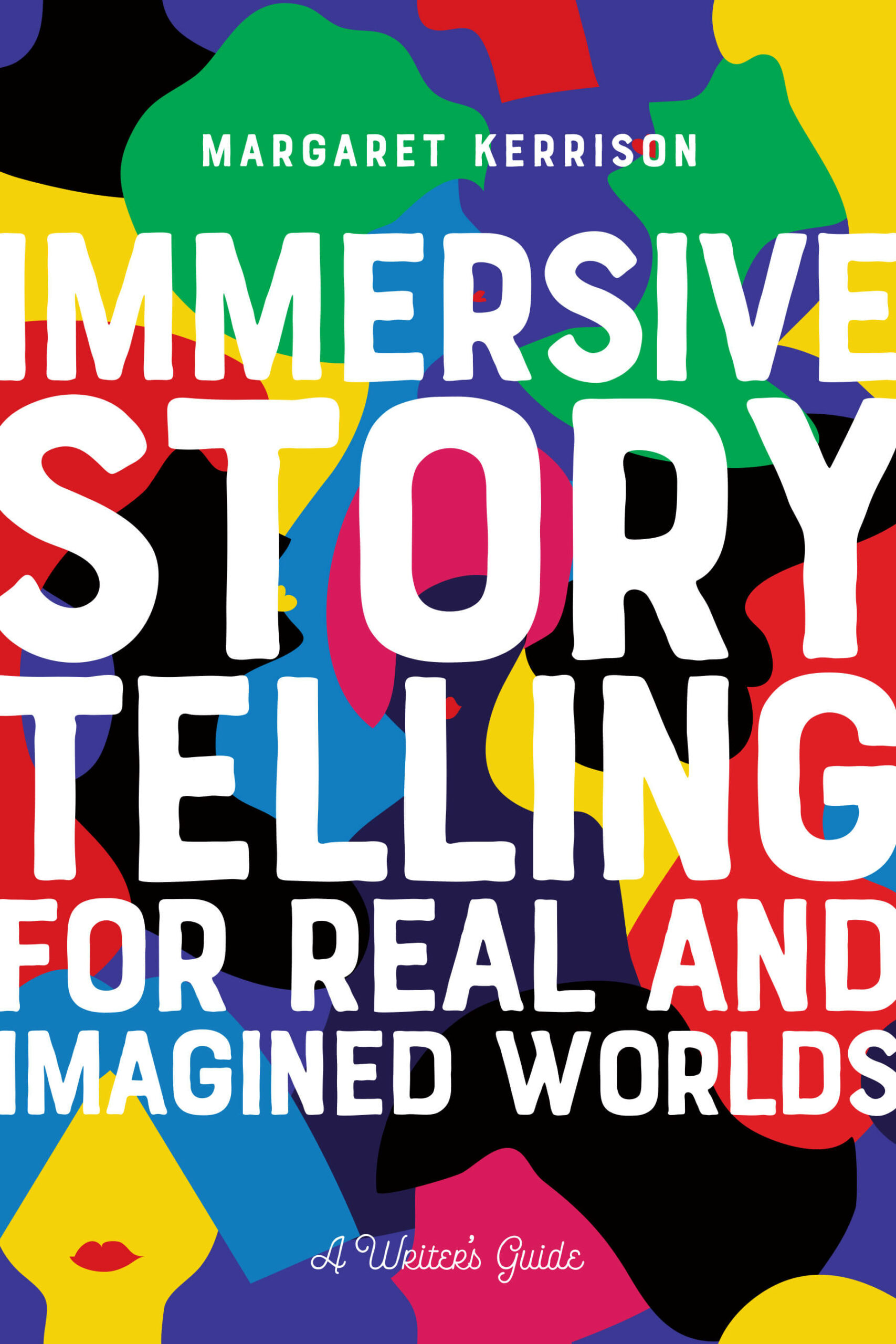
Sale Add to cart Add to wishlist Compare Immersive Storytelling for Real and Imagined Worlds: A Writer’s Guide $29.95 $22.46 Add to cart Add to wishlist Compare
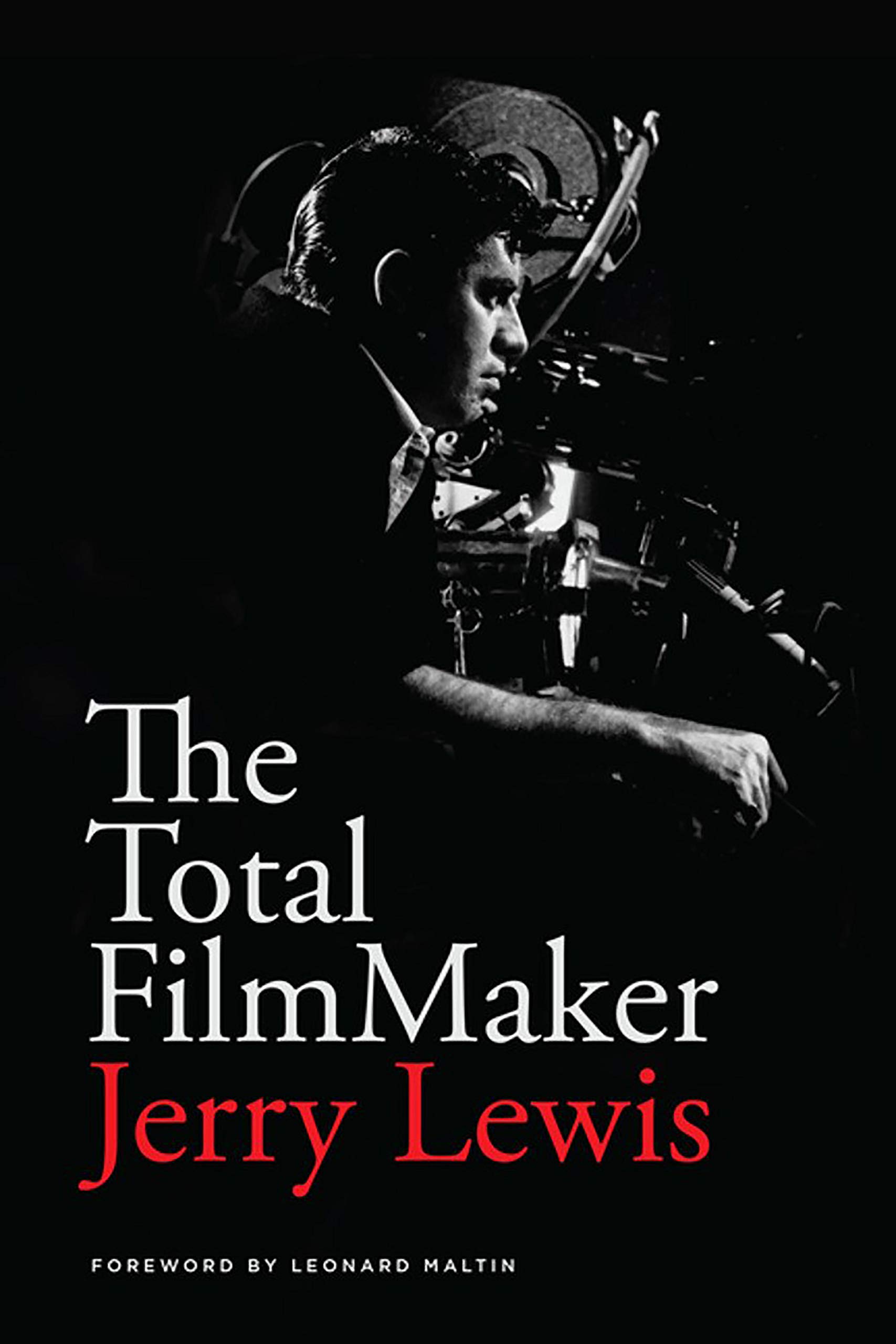
Sale Add to cart Add to wishlist Compare The Total FilmMaker $29.95 $22.46 Add to cart Add to wishlist Compare
Sale Add to cart Add to wishlist Compare Transitions: A Director’s Journey and Motivational Handbook $29.95 $22.46 Add to cart Add to wishlist Compare
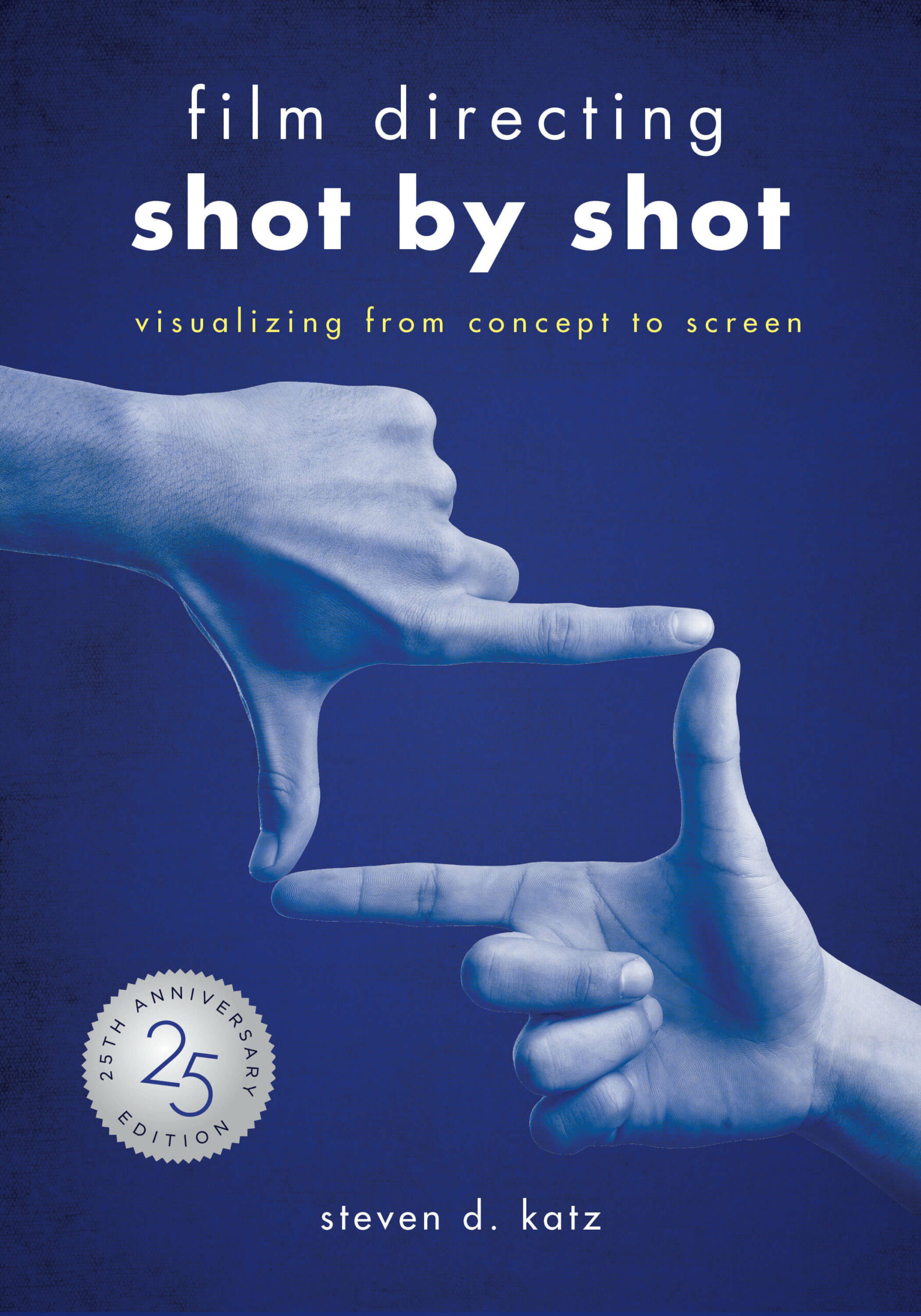
Sale Add to cart Add to wishlist Compare Film Directing: Shot by Shot – 25th Anniversary Edition: Visualizing from Concept to Screen $34.95 $26.21 Add to cart Add to wishlist Compare
Sale Add to cart Add to wishlist Compare The Executive Chair: A Writer’s Guide to TV Series Development $26.95 $20.20 Add to cart Add to wishlist Compare
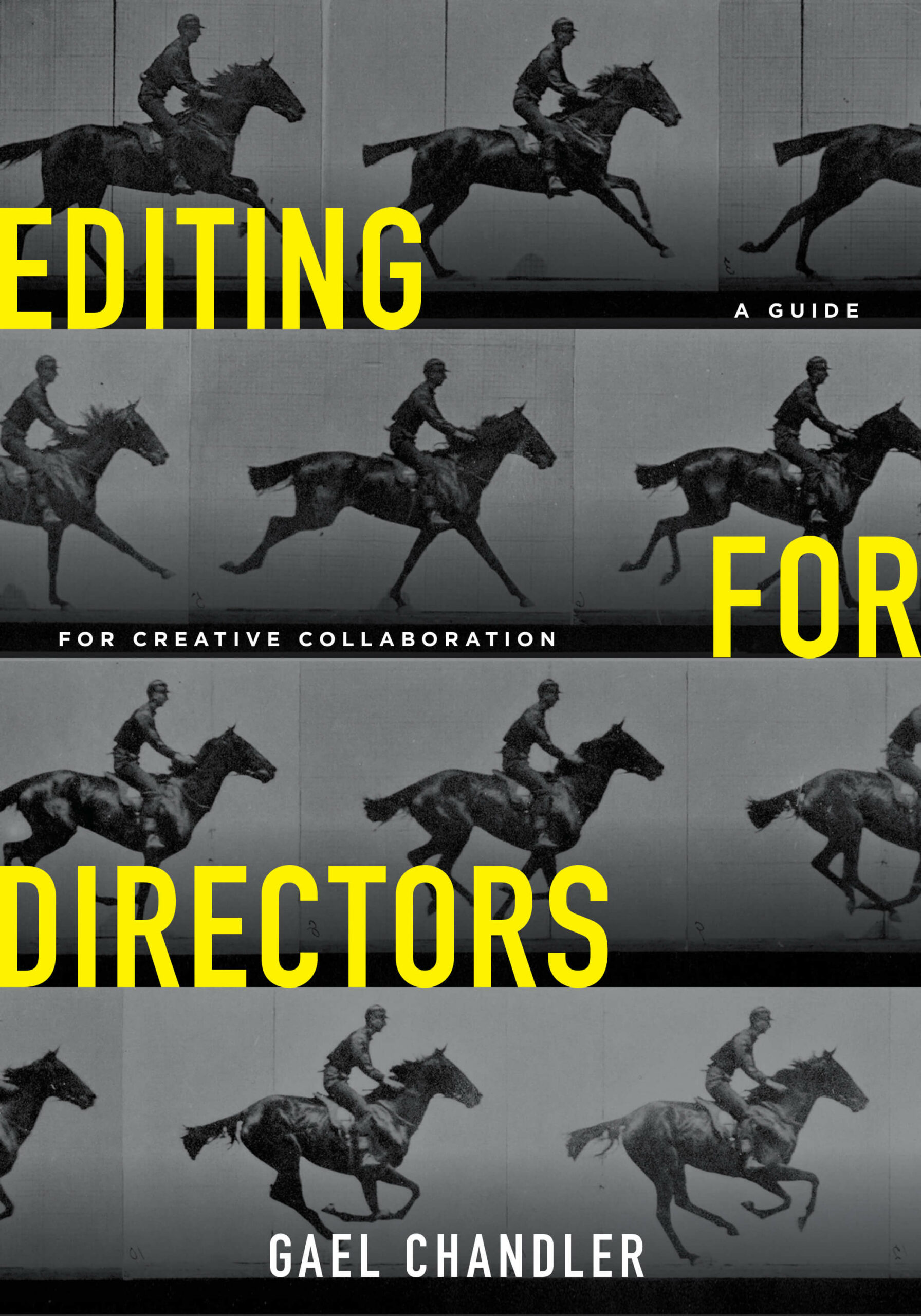
Sale Add to cart Add to wishlist Compare Editing for Directors: A Guide for Creative Collaboration $29.95 $22.46 Add to cart Add to wishlist Compare
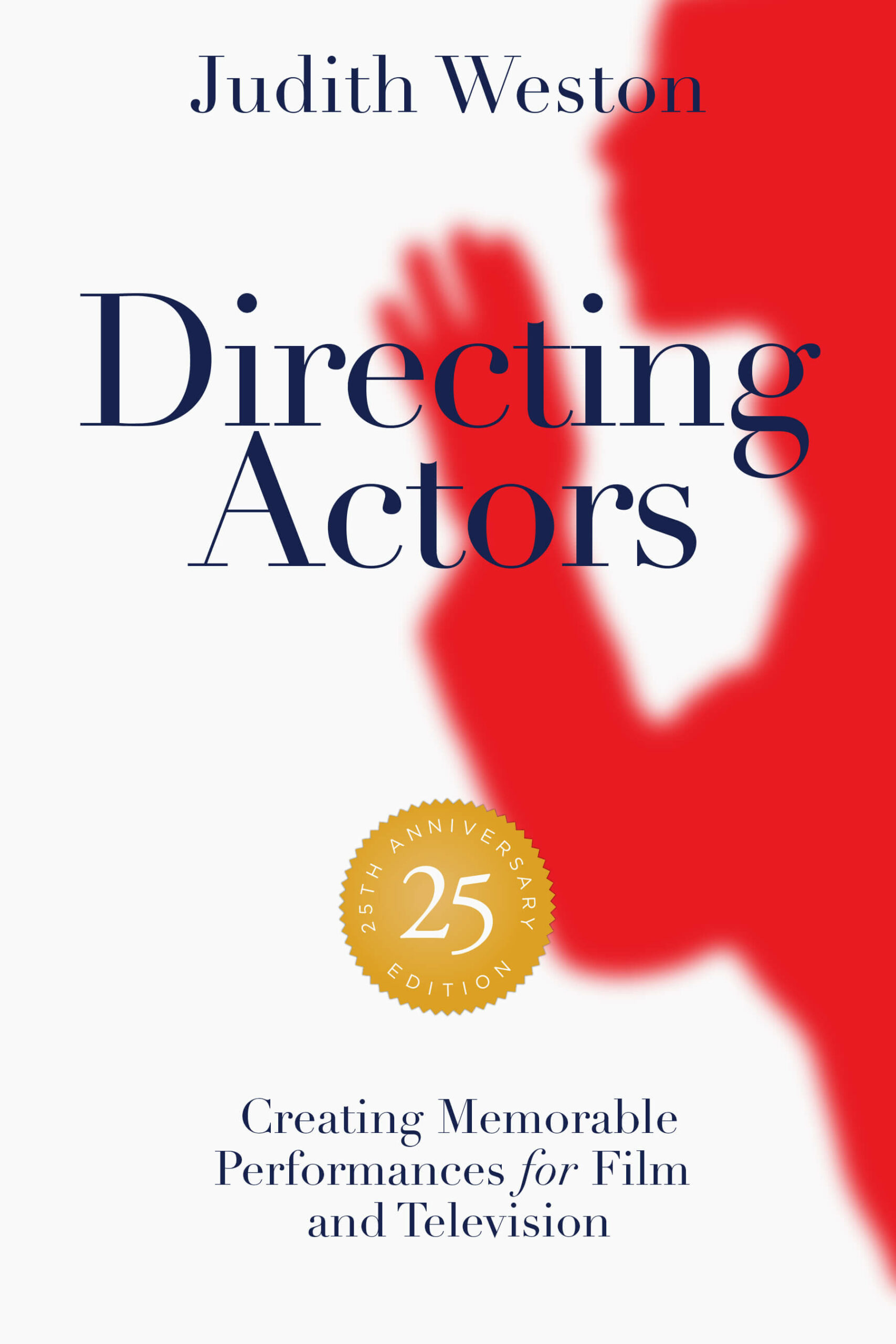
Sale Add to cart Add to wishlist Compare Directing Actors – 25th Anniversary Edition: Creating Memorable Performances for Film and Television $29.95 $22.46 Add to cart Add to wishlist Compare
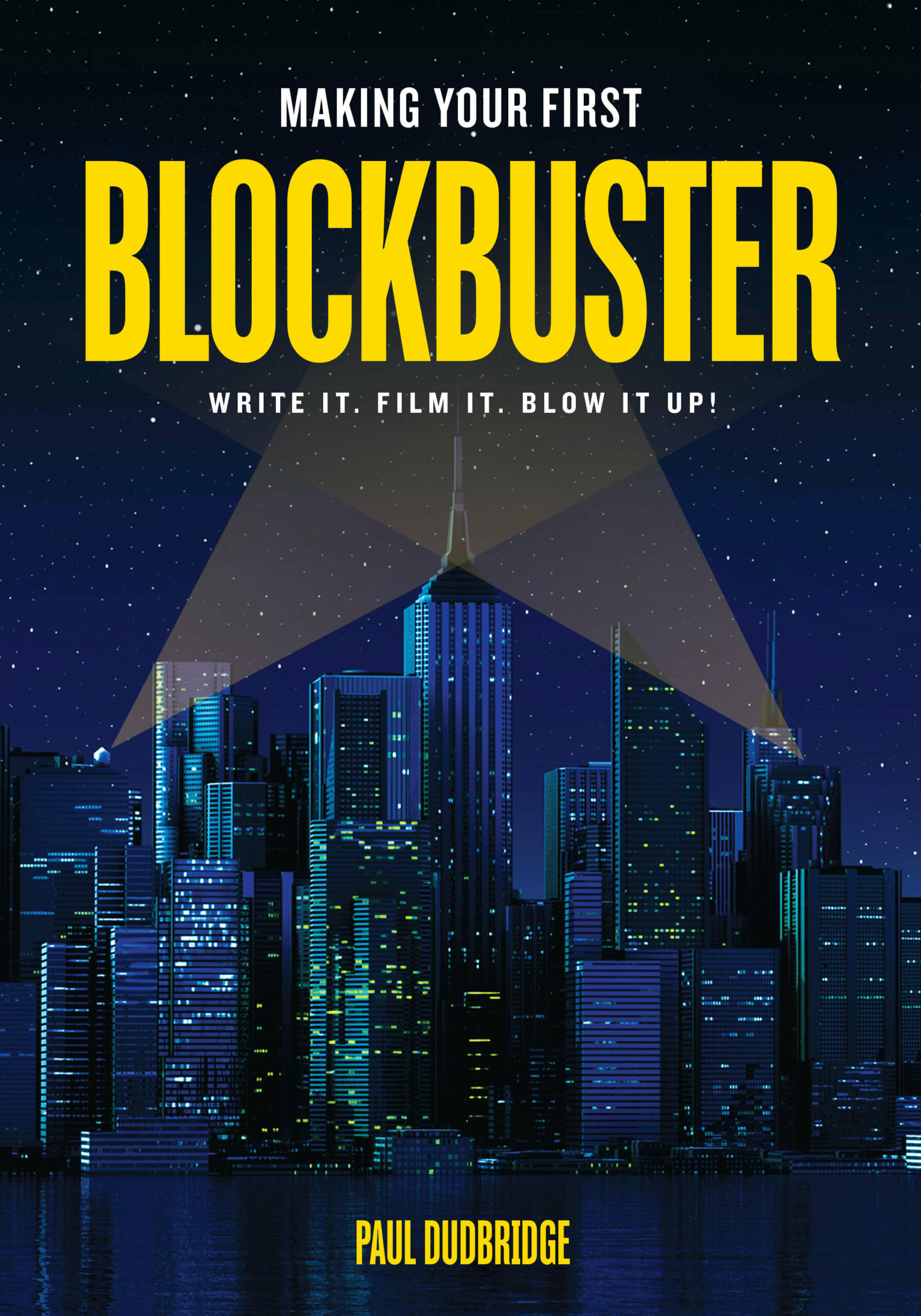
Sale Add to cart Add to wishlist Compare Making Your First Blockbuster: Write It. Film It. Blow it Up! $34.95 $26.21 Add to cart Add to wishlist Compare
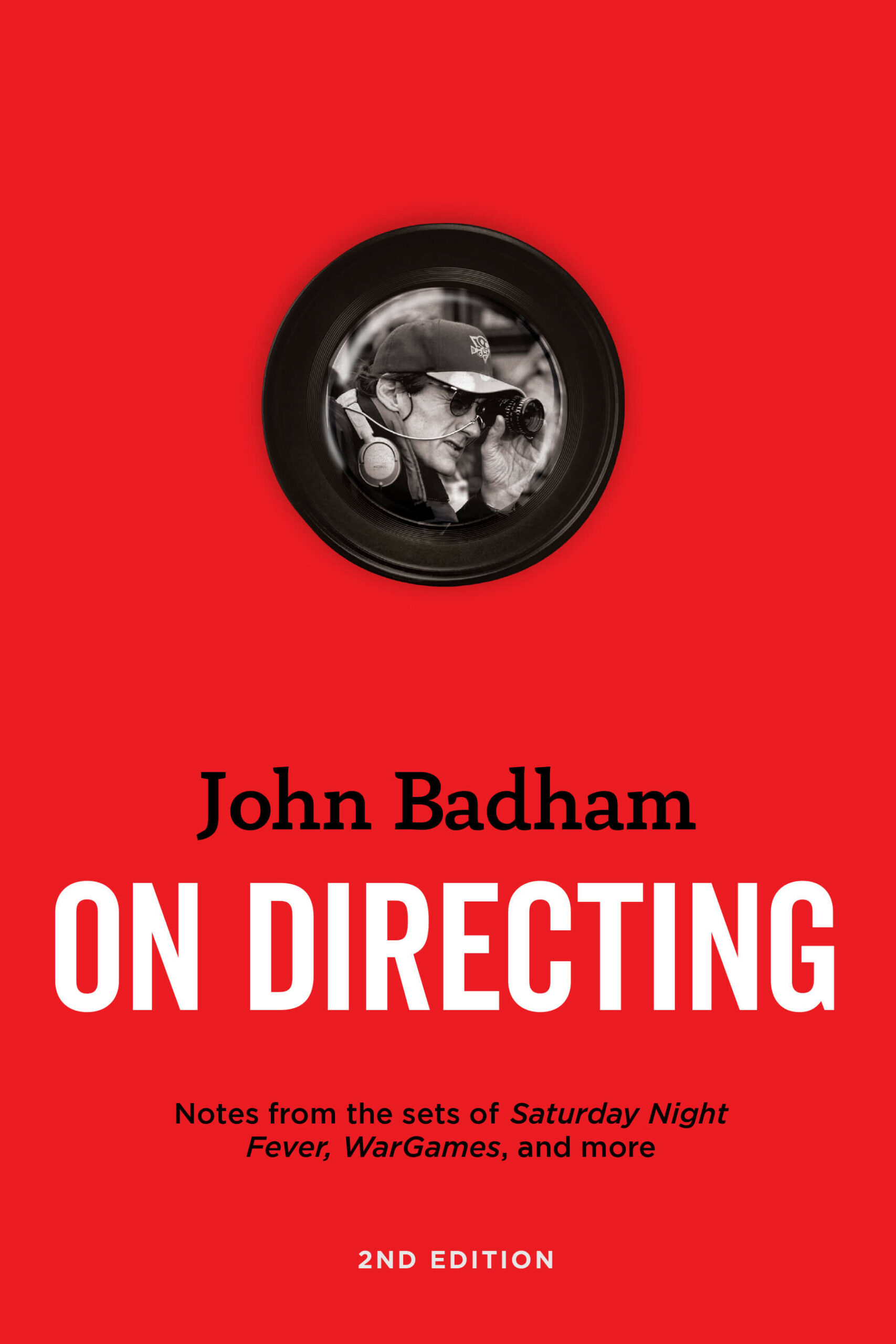
Sale Add to cart Add to wishlist Compare John Badham On Directing: Notes from the Set of Saturday Night Fever, War Games, and More (2nd Edition) $28.95 $21.71 Add to cart Add to wishlist Compare
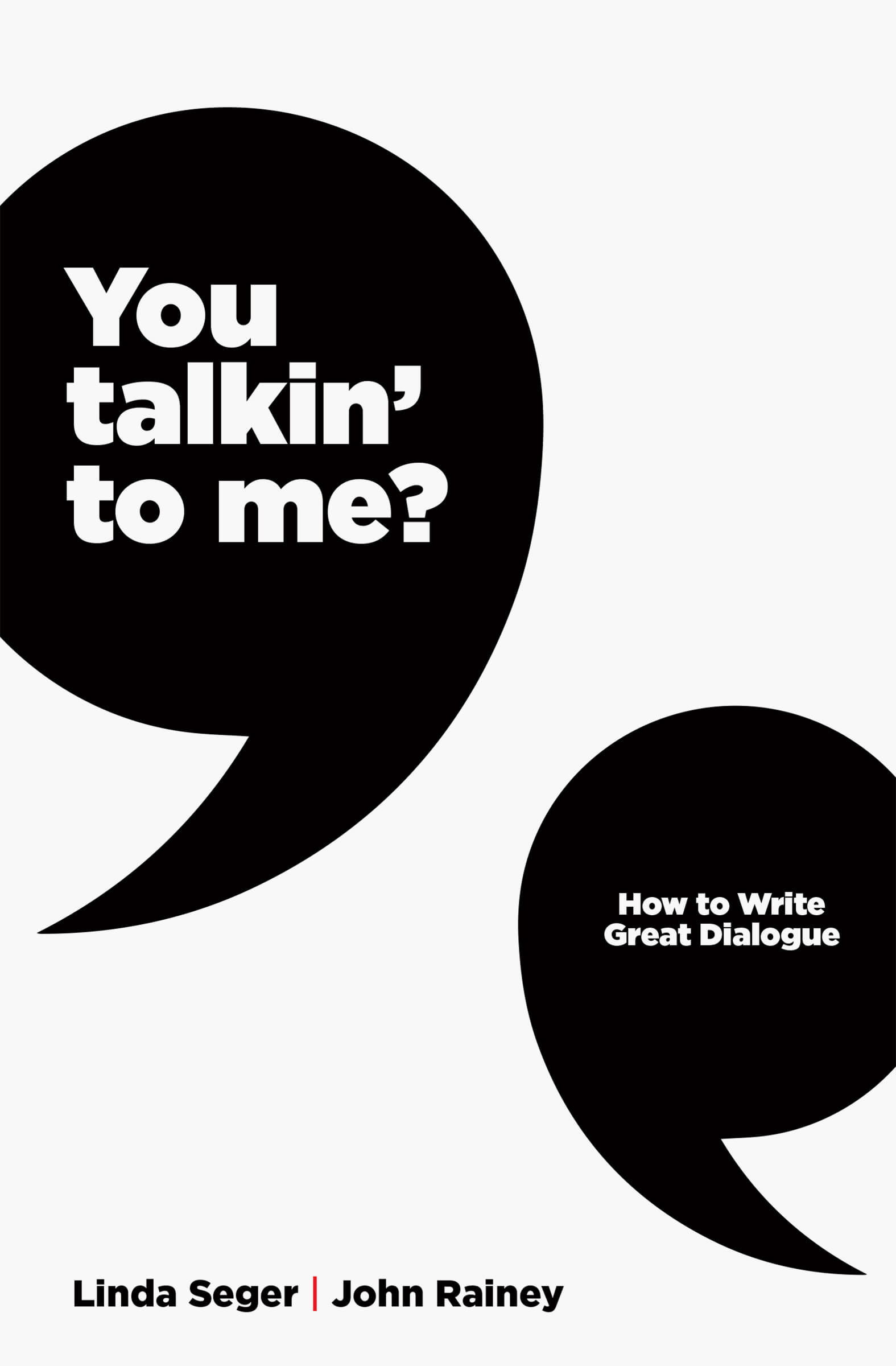
Sale Add to cart Add to wishlist Compare You Talkin’ to Me?: How to Write Great Dialogue $19.95 $14.96 Add to cart Add to wishlist Compare
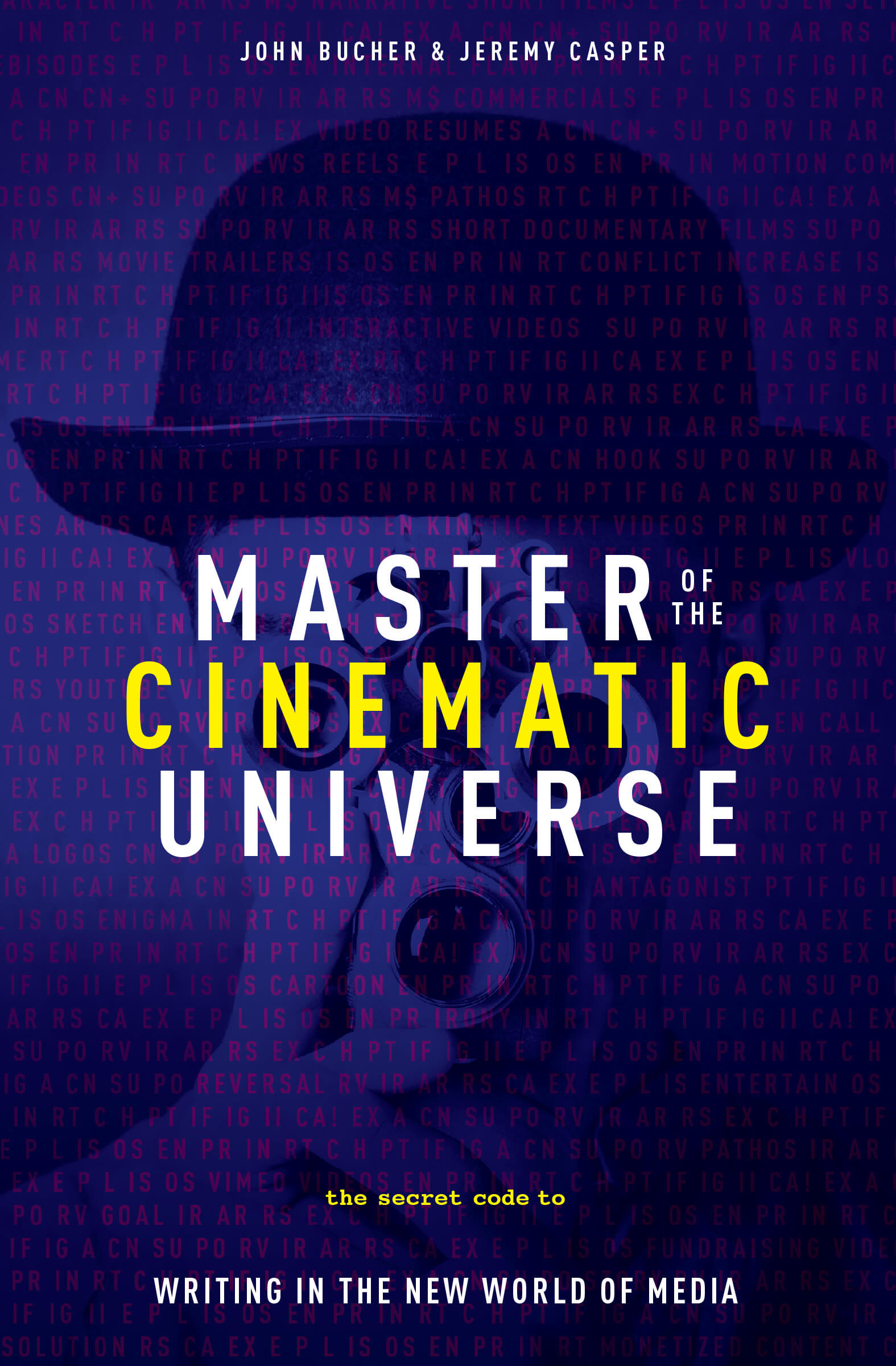
Sale Add to cart Add to wishlist Compare Master of The Cinemactic Universe: The Secret Code to Writing In The New World of Media $14.95 $11.21 Add to cart Add to wishlist Compare
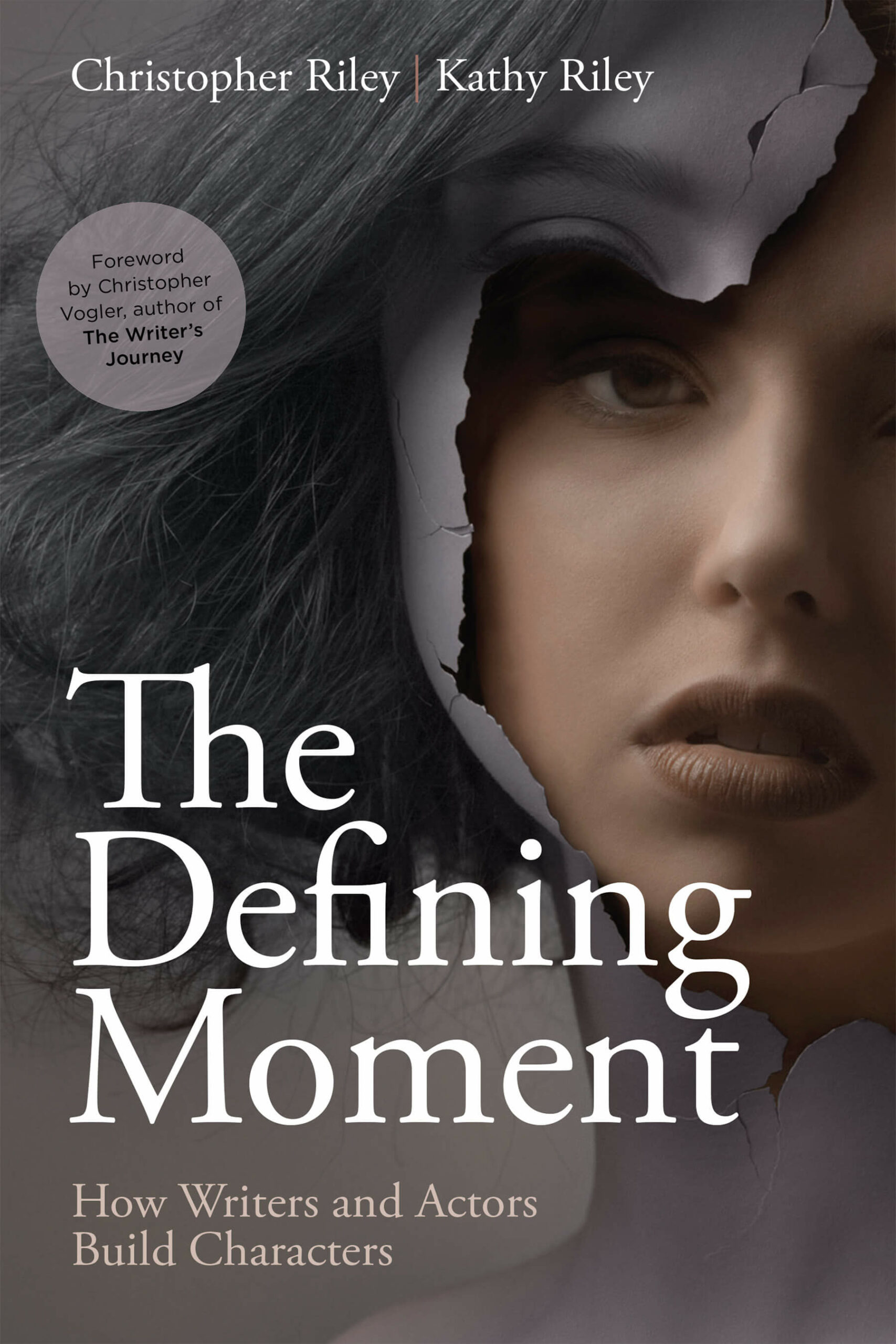
Sale Add to cart Add to wishlist Compare The Defining Moment: How Writers and Actors Build Characters $26.95 $20.21 555187613-The-Defining-Moment-Sample-PDF-SM Add to cart Add to wishlist Compare
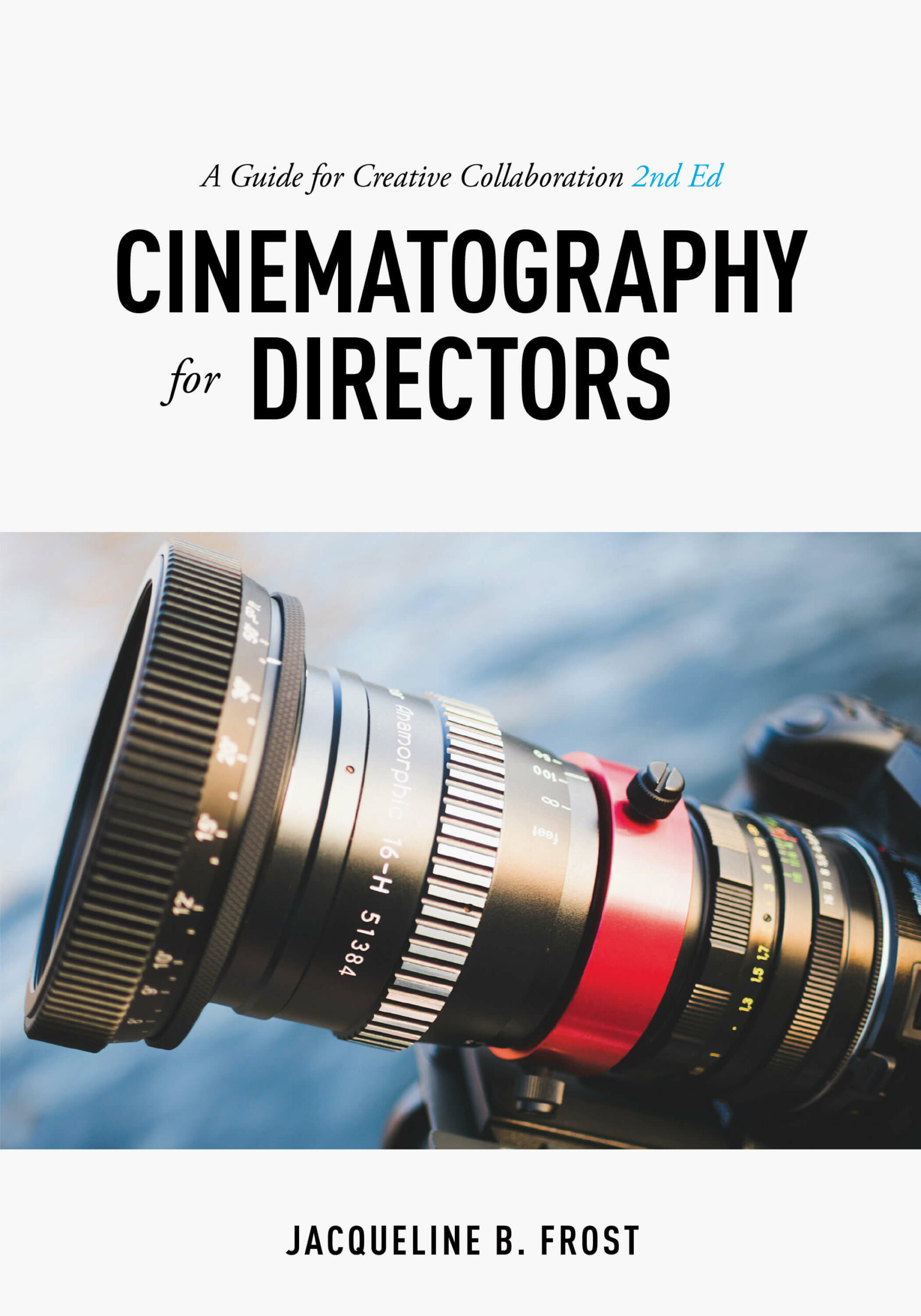
Sale Add to cart Add to wishlist Compare Cinematography for Directors (2nd Edition) $35.95 $26.96 Add to cart Add to wishlist Compare
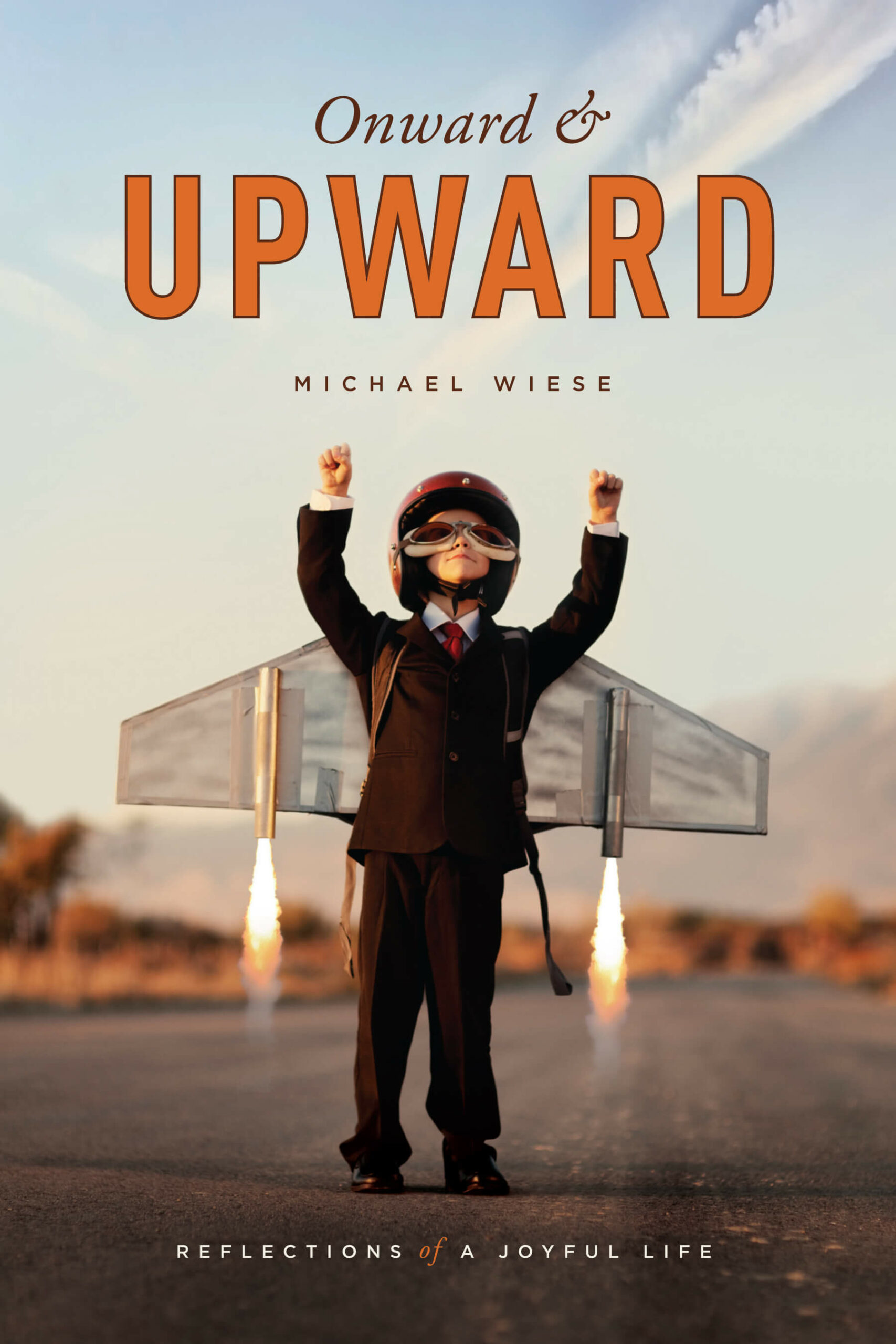
Sale Add to cart Add to wishlist Compare Onward & Upward: Reflections of a Joyful Life $26.95 $13.48 Add to cart Add to wishlist Compare
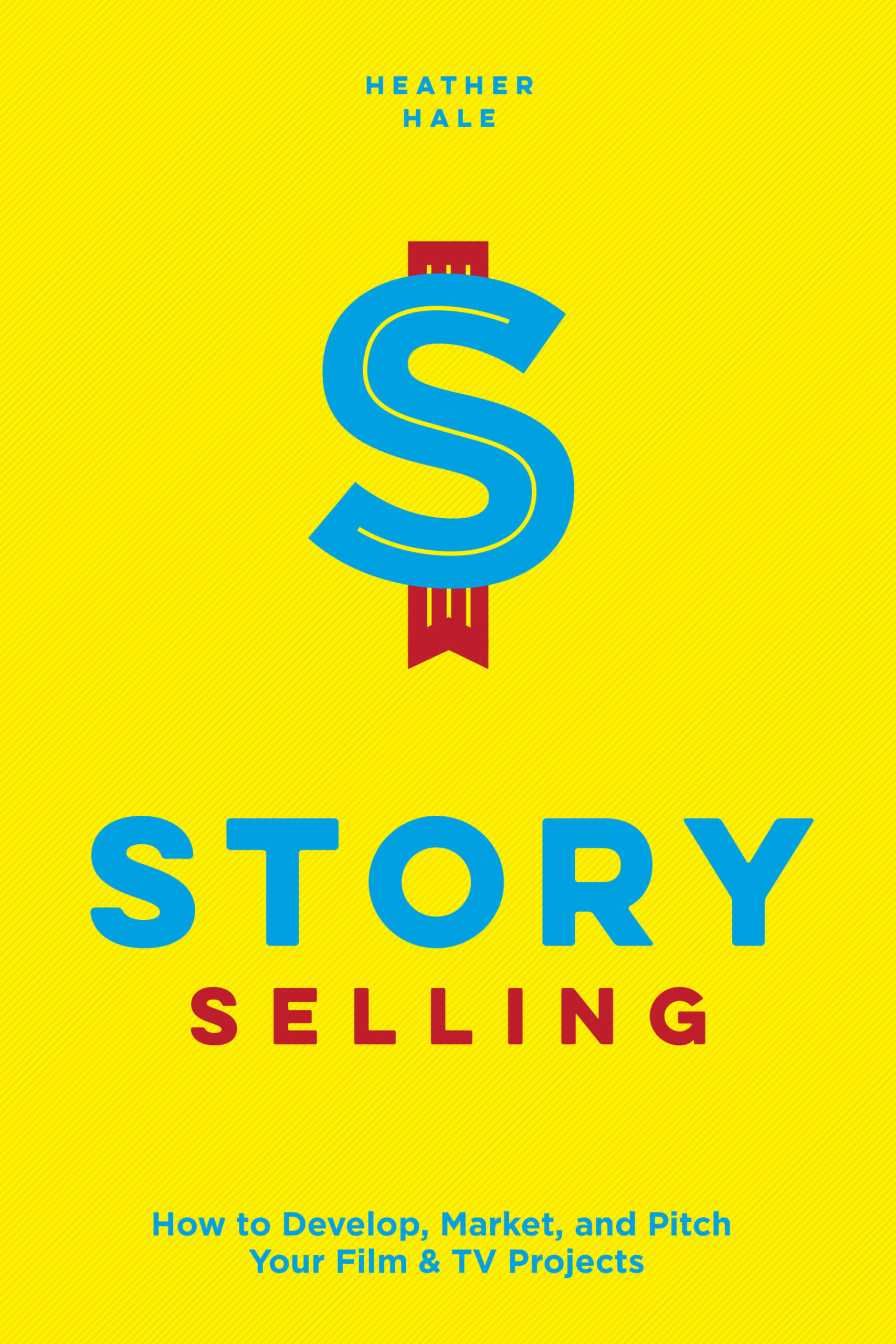
Sale Add to cart Add to wishlist Compare Story Selling: How to Develop, Market, and Pitch Your Film & TV Projects $26.95 $20.22 Add to cart Add to wishlist Compare
Sale Add to cart Add to wishlist Compare Shooting Better Movies: The Student Filmmakers’ Guide $26.95 $20.21 Add to cart Add to wishlist Compare
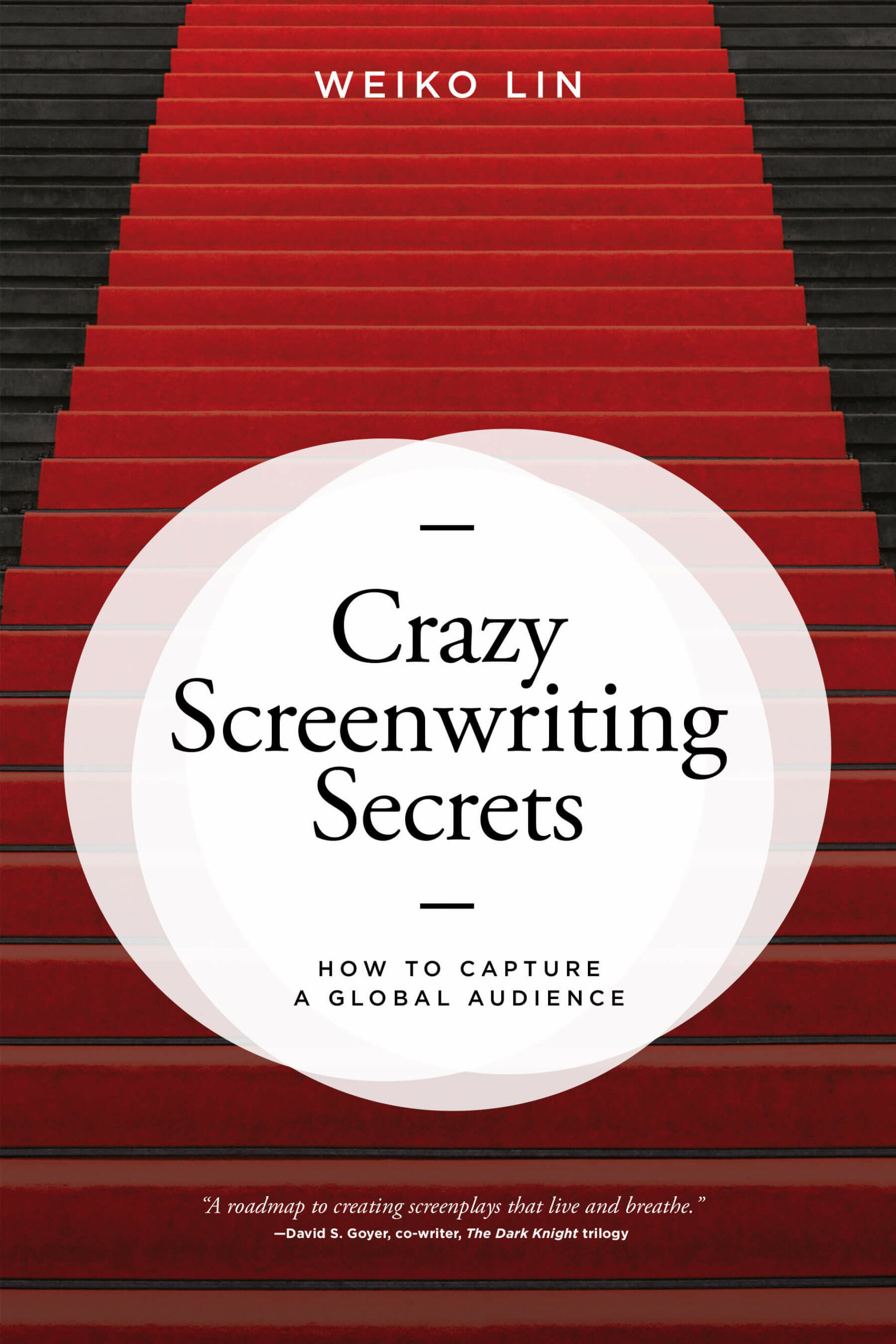
Sale Add to cart Add to wishlist Compare Crazy Screenwriting Secrets: How to Capture A Global Audience $29.95 $22.46 Add to cart Add to wishlist Compare
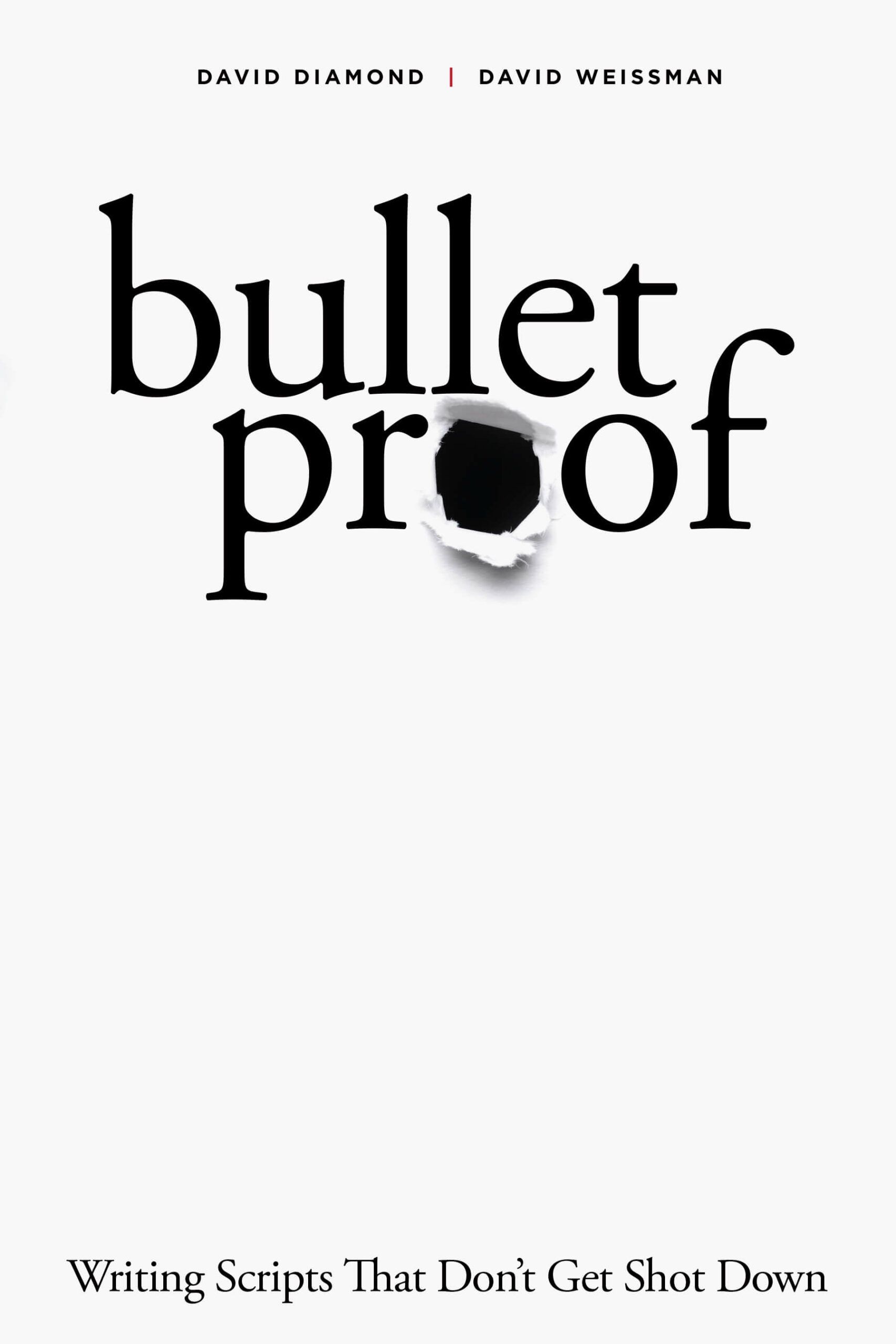
Sale Add to cart Add to wishlist Compare Bulletproof: Writing Scripts that Don’t Get Shot Down $26.95 $20.22 Add to cart Add to wishlist Compare
Sale Add to cart Add to wishlist Compare The Comic Hero’s Journey: Serious Story Structure for Fabulously Funny Films $26.95 $20.21 Add to cart Add to wishlist Compare
Sale Add to cart Add to wishlist Compare Writing the TV Drama Series: How to Succeed as a Professional Writer in TV (4th Edition) $29.95 $22.45 Add to cart Add to wishlist Compare
Sale Add to cart Add to wishlist Compare Shoot from the Heart: Successful Filmmaking from a Sundance Rebel $26.96 $20.22 Add to cart Add to wishlist Compare
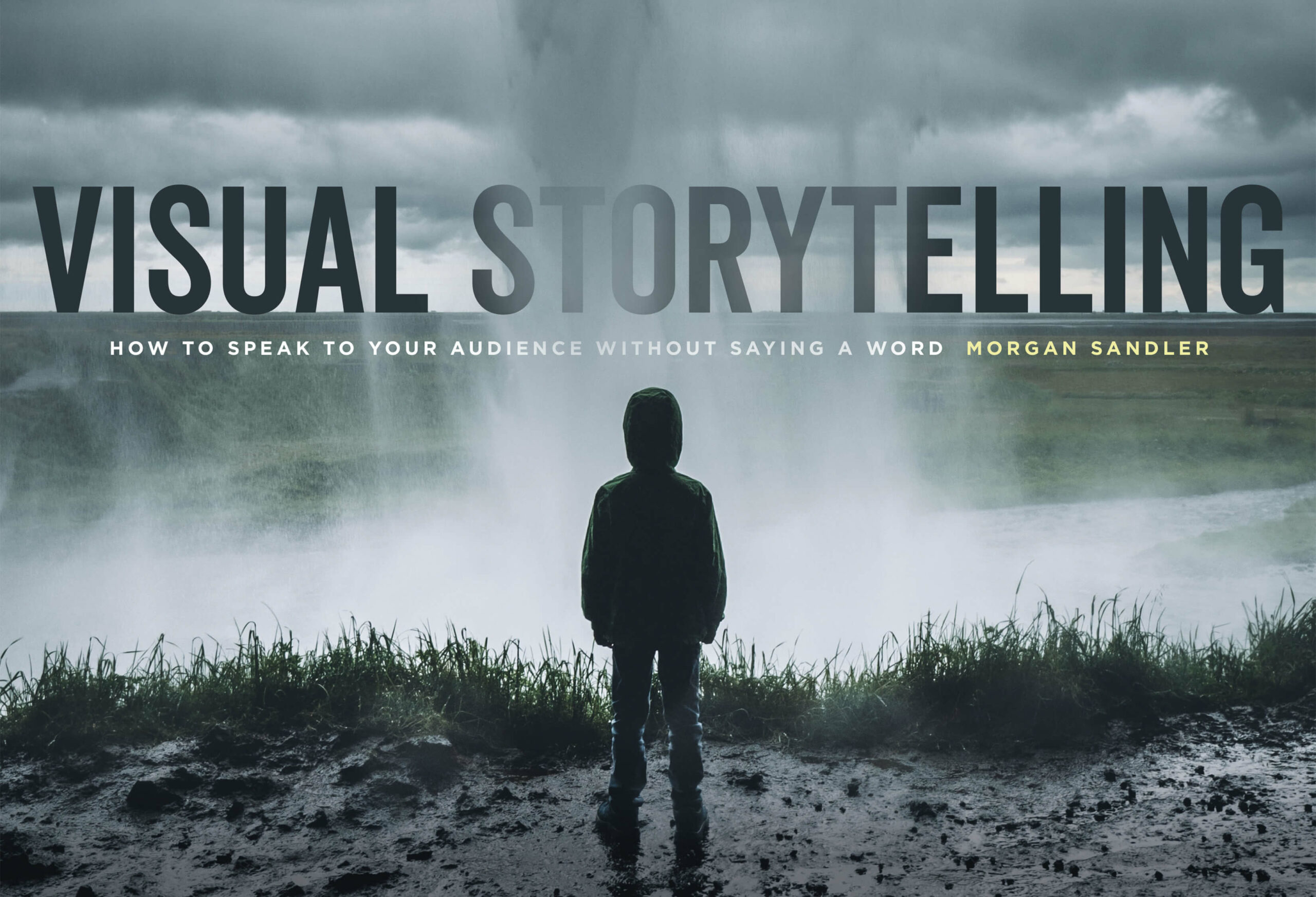
Sale Add to cart Add to wishlist Compare Visual Storytelling: How to Speak to the Audience Without Saying a Word $31.95 $23.95 Add to cart Add to wishlist Compare
Sale Add to cart Add to wishlist Compare Your Screenplay Sucks!: 100 Ways to Make it Great $24.95 $18.70 Add to cart Add to wishlist Compare
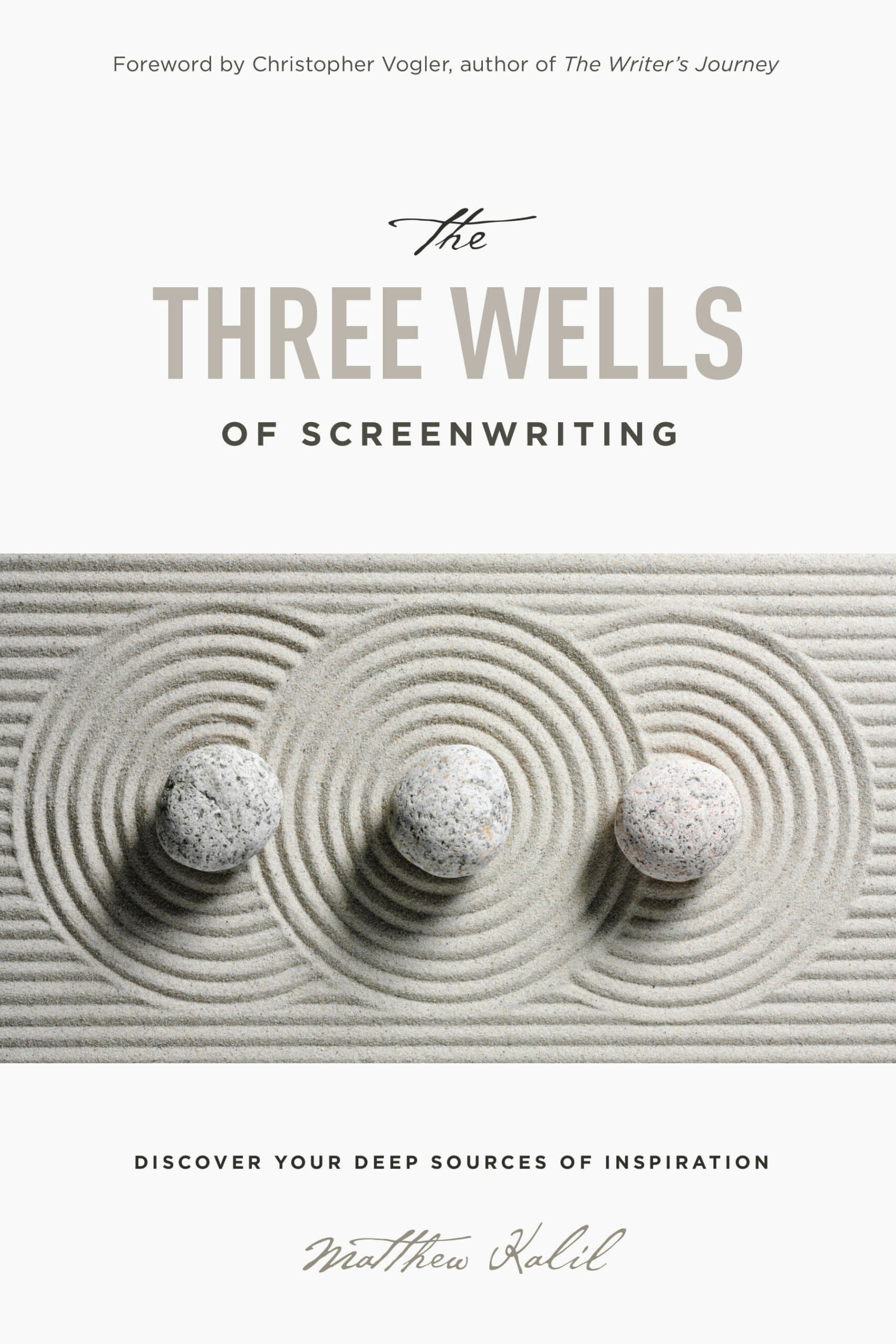
Sale Add to cart Add to wishlist Compare The Three Wells of Screenwriting: Discover Your Deep Sources of Inspiration $26.95 $20.21 Add to cart Add to wishlist Compare
Sale Add to cart Add to wishlist Compare The Coffee Break Screenwriter Breaks the Rules: A Guide for the Rebel Writer $14.95 $11.21 Add to cart Add to wishlist Compare
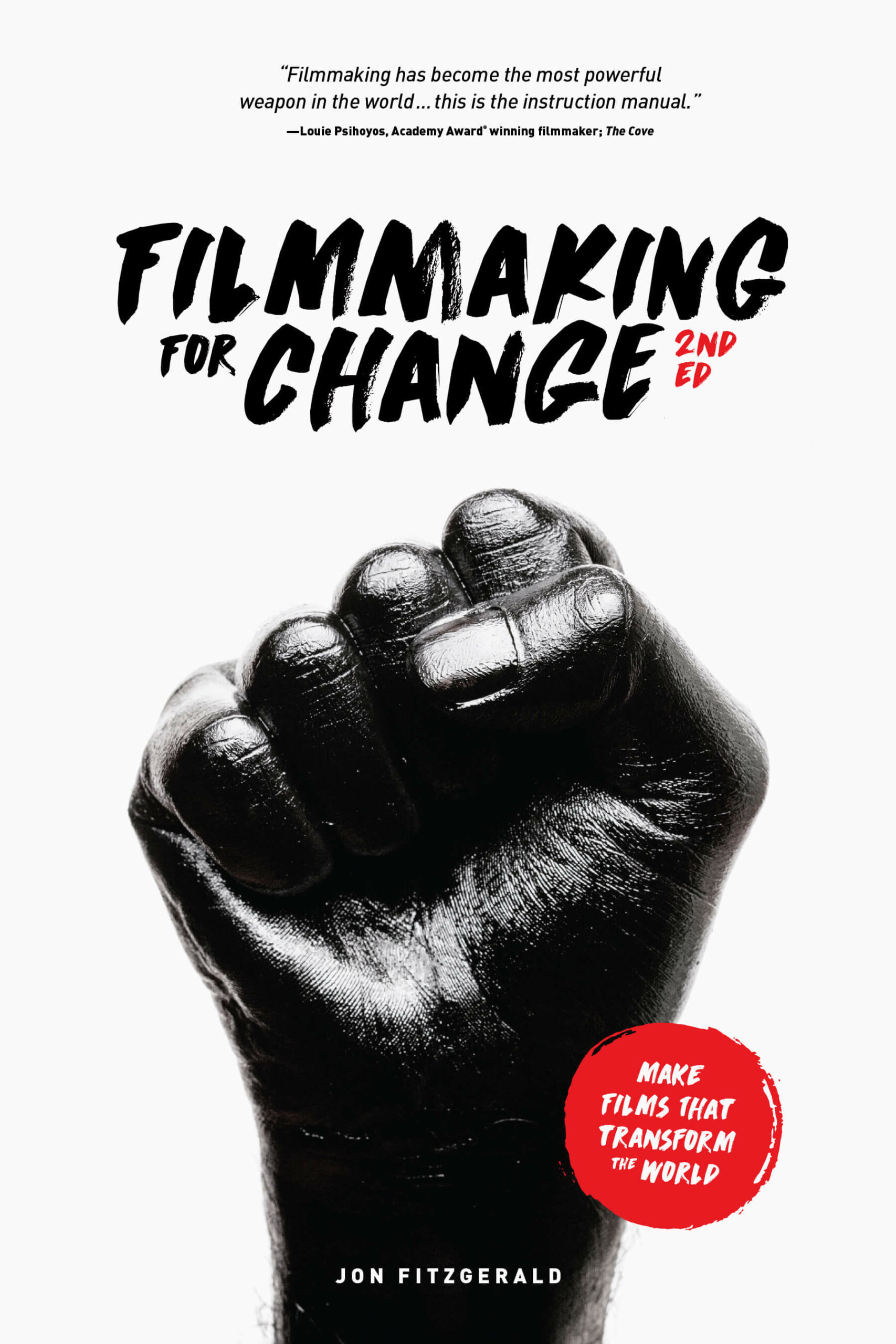
Sale Add to cart Add to wishlist Compare Filmmaking for Change: Make Films that Transform the World (2nd Edition) $26.95 $20.21 Add to cart Add to wishlist Compare
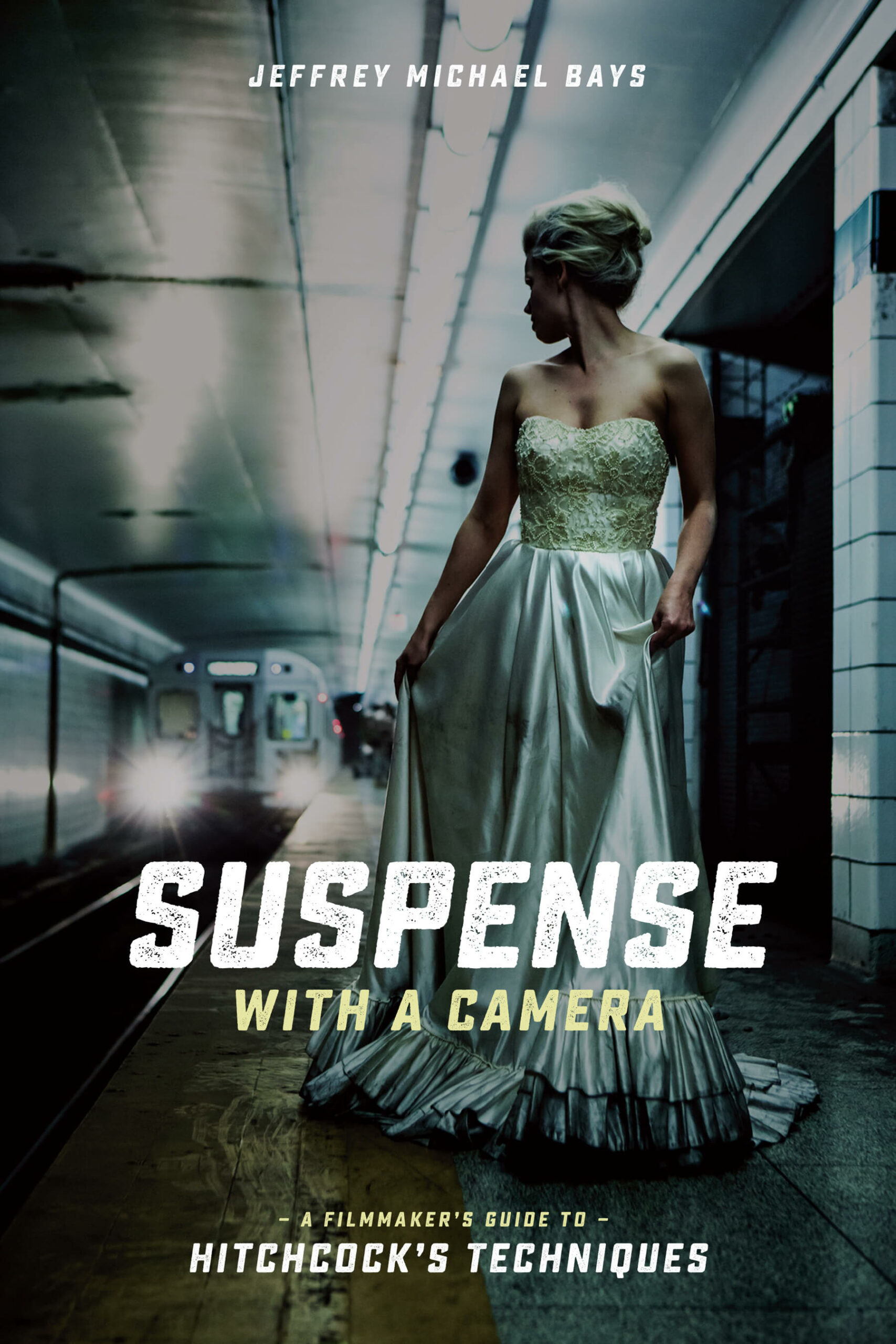
Sale Add to cart Add to wishlist Compare Suspense with a Camera: A Filmmaker’s Guide to Hitchcock’s Techniques $29.95 $22.46 Add to cart Add to wishlist Compare
Sale Add to cart Add to wishlist Compare WRITE! SHOOT! EDIT! The Complete Guide for Teen Filmmakers $23.95 $17.96 Add to cart Add to wishlist Compare
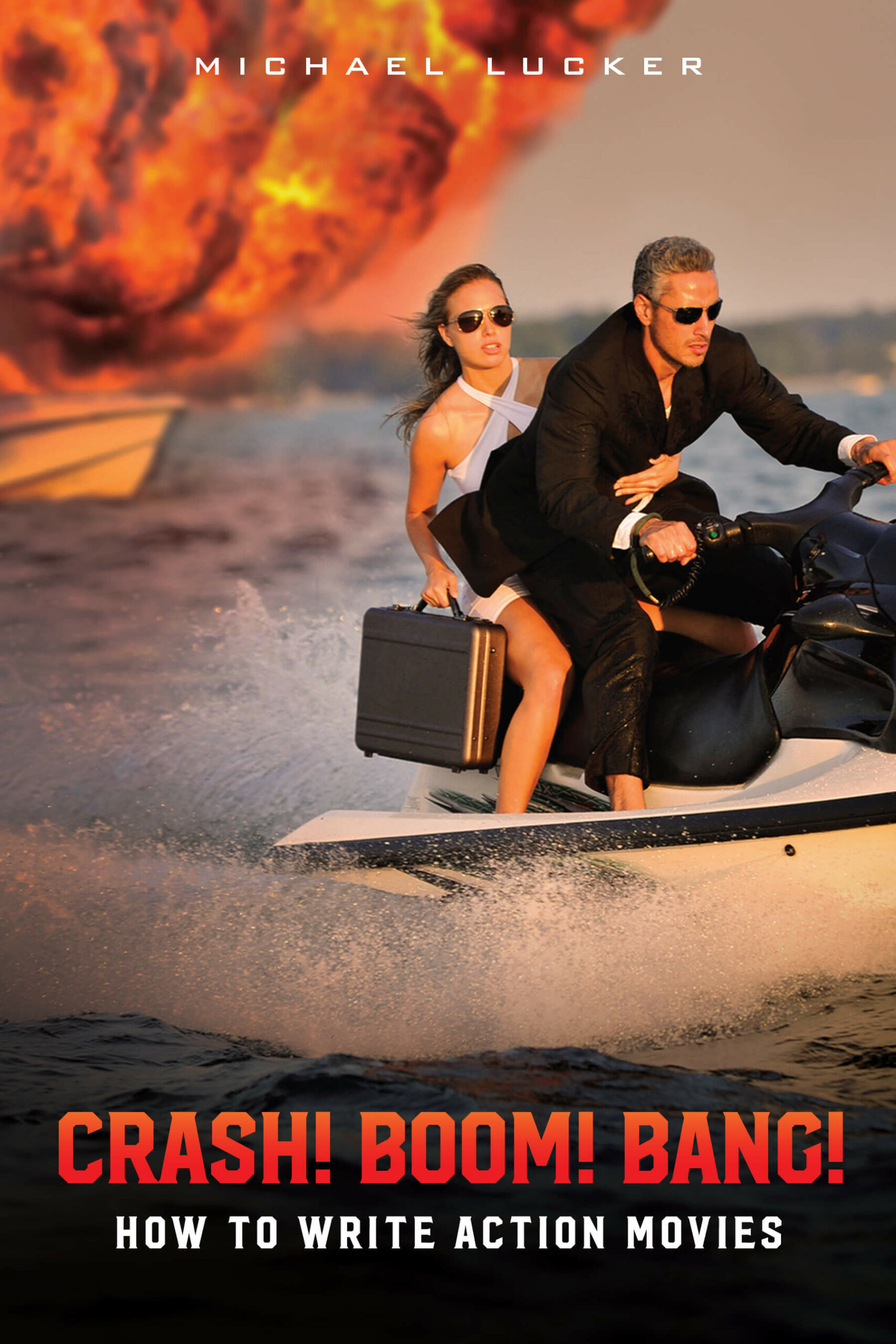
Sale Add to cart Add to wishlist Compare CRASH! BOOM! BANG! How to Write Action Movies $26.95 $20.21 Add to cart Add to wishlist Compare
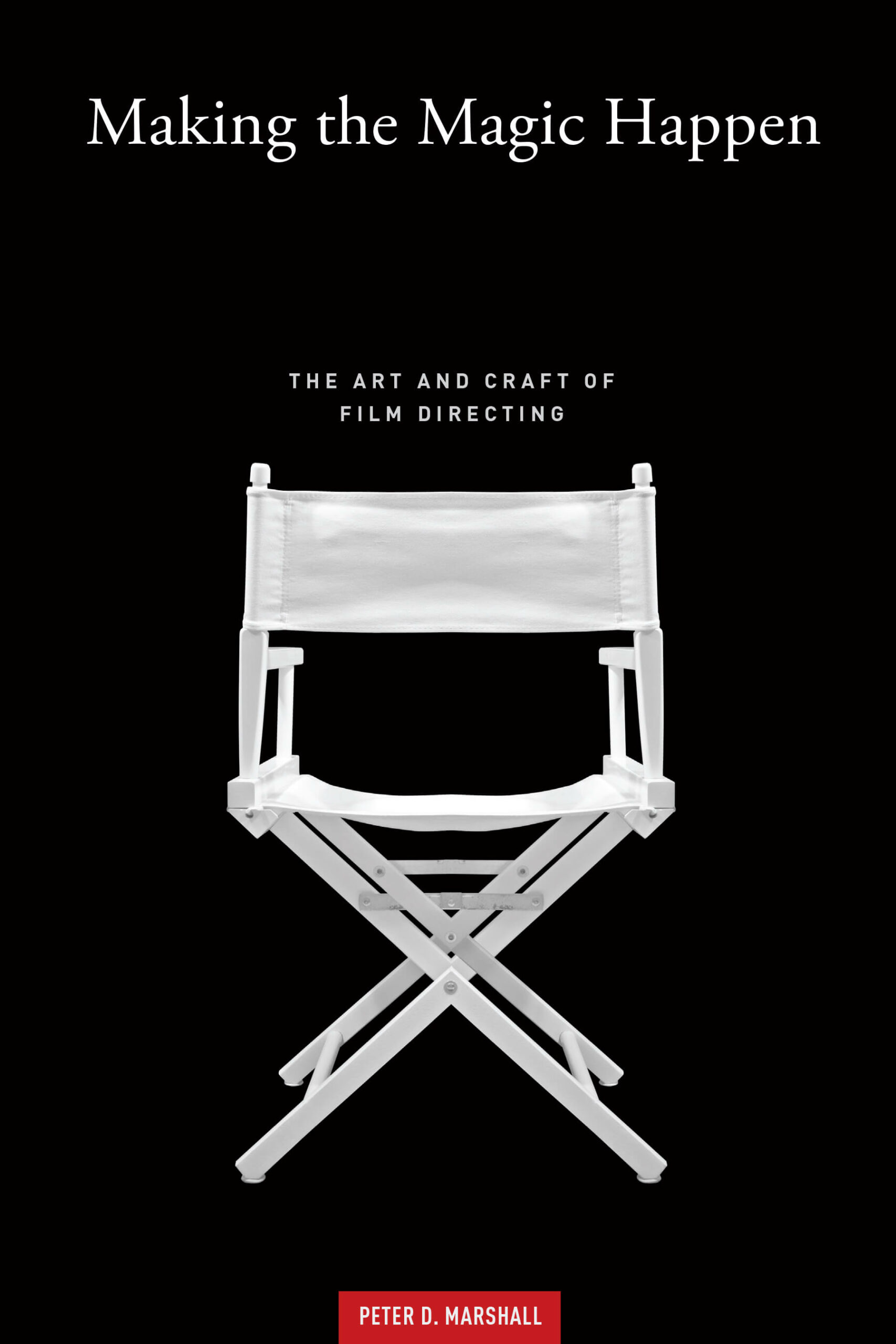
Sale Add to cart Add to wishlist Compare Making the Magic Happen: The Art and Craft of Film Directing $26.95 $20.21 Add to cart Add to wishlist Compare
Sale Add to cart Add to wishlist Compare Writing Subtext: What Lies Beneath (2nd Edition) $18.95 $14.20 Add to cart Add to wishlist Compare
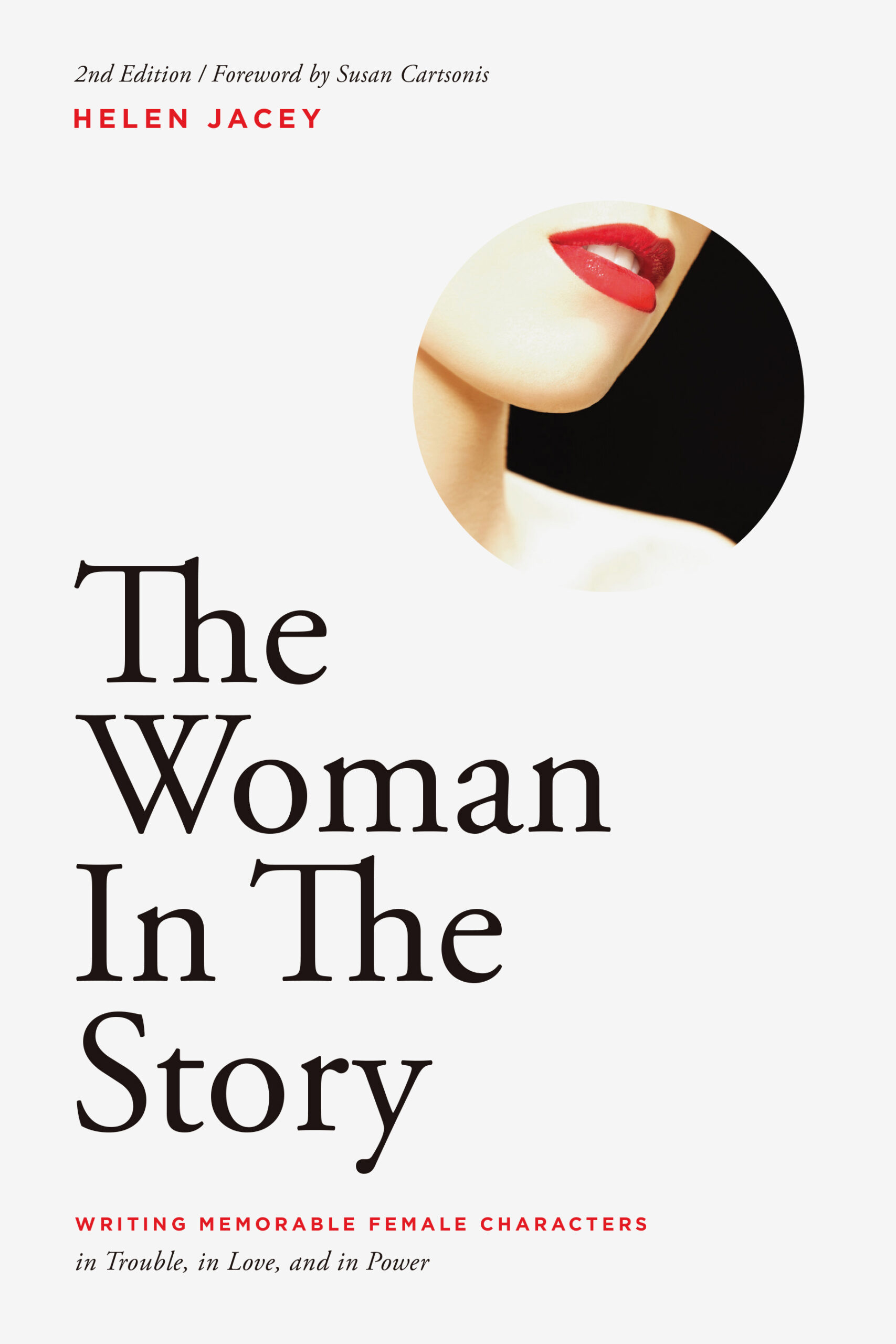
Sale Add to cart Add to wishlist Compare The Woman in the Story (2nd Edition) $27.95 $20.96 Add to cart Add to wishlist Compare
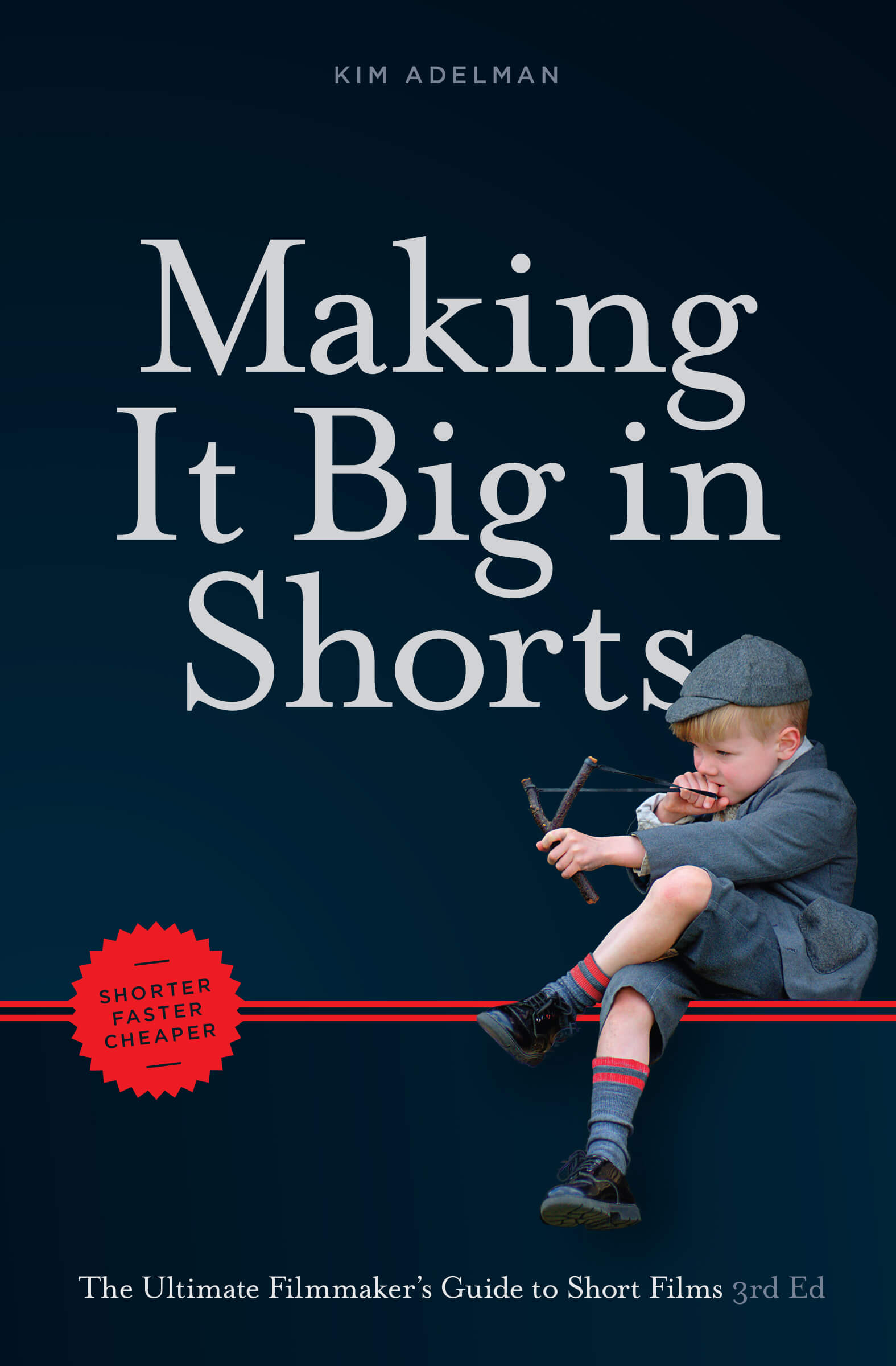
Sale Add to cart Add to wishlist Compare Making it Big in Shorts: Shorter, Faster, Cheaper; The Ultimate Filmmaker’s Guide to Short Films (3rd Edition) $16.95 $12.71 Add to cart Add to wishlist Compare
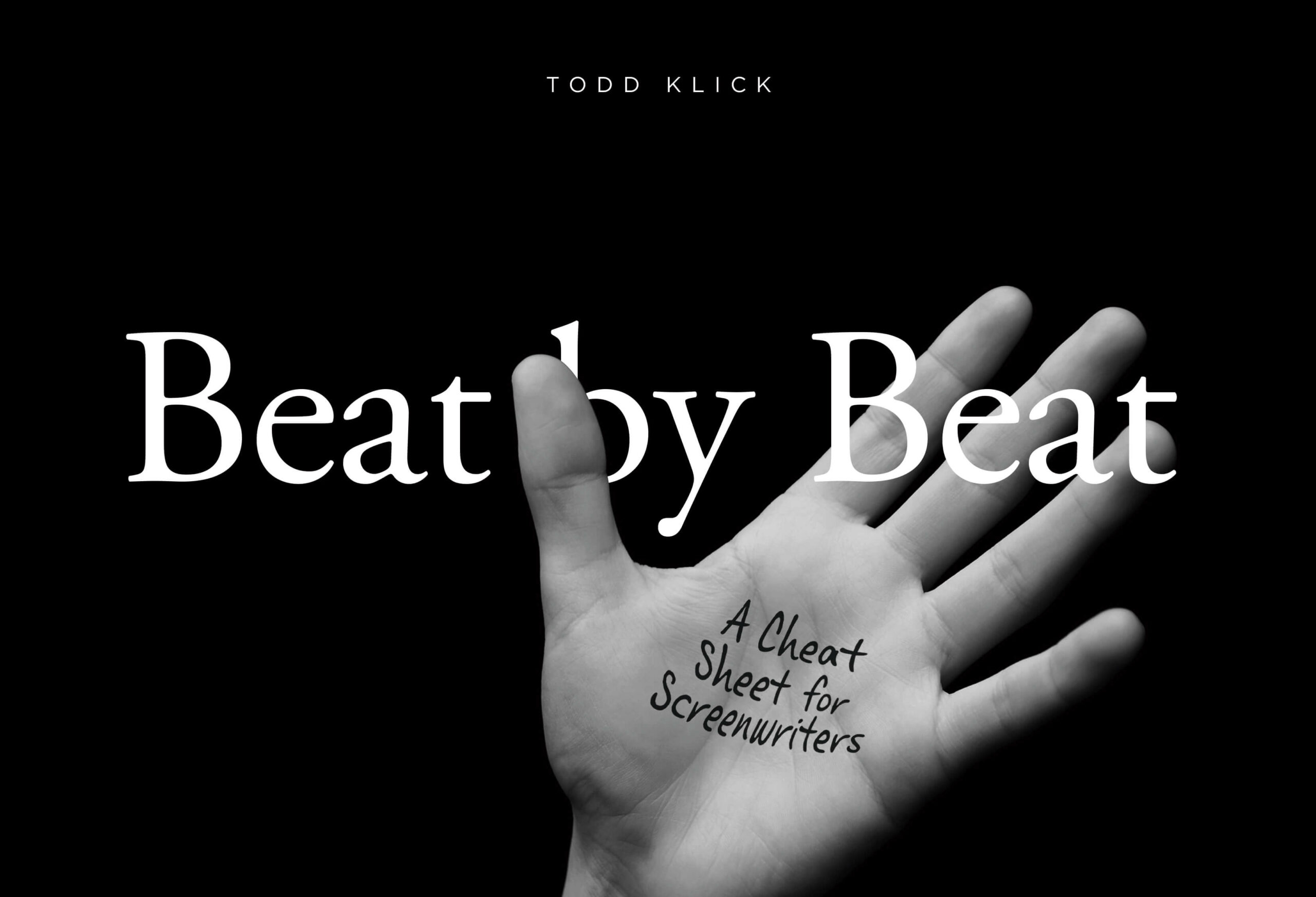
Sale Add to cart Add to wishlist Compare Beat By Beat: A Cheat Sheet for Screenwriters $28.95 $21.71 Add to cart Add to wishlist Compare
Sale Add to cart Add to wishlist Compare Crowdfunding for Filmmakers: The Way to a Successful Film Campaign (2nd Edition) $24.95 $18.70 Add to cart Add to wishlist Compare
Sale Add to cart Add to wishlist Compare Writing for the Cut: Shaping Your Script for Cinema $26.95 $20.21 Add to cart Add to wishlist Compare
Sale Add to cart Add to wishlist Compare Reality TV: An Insider’s Guide to TV’s Hottest Market (2nd Edition) $24.95 $18.71 Add to cart Add to wishlist Compare
Sale Add to cart Add to wishlist Compare The Coffee Break Screenwriter: Writing Your Script Ten Minutes at a Time (2nd Edition) $28.95 $21.71 Add to cart Add to wishlist Compare
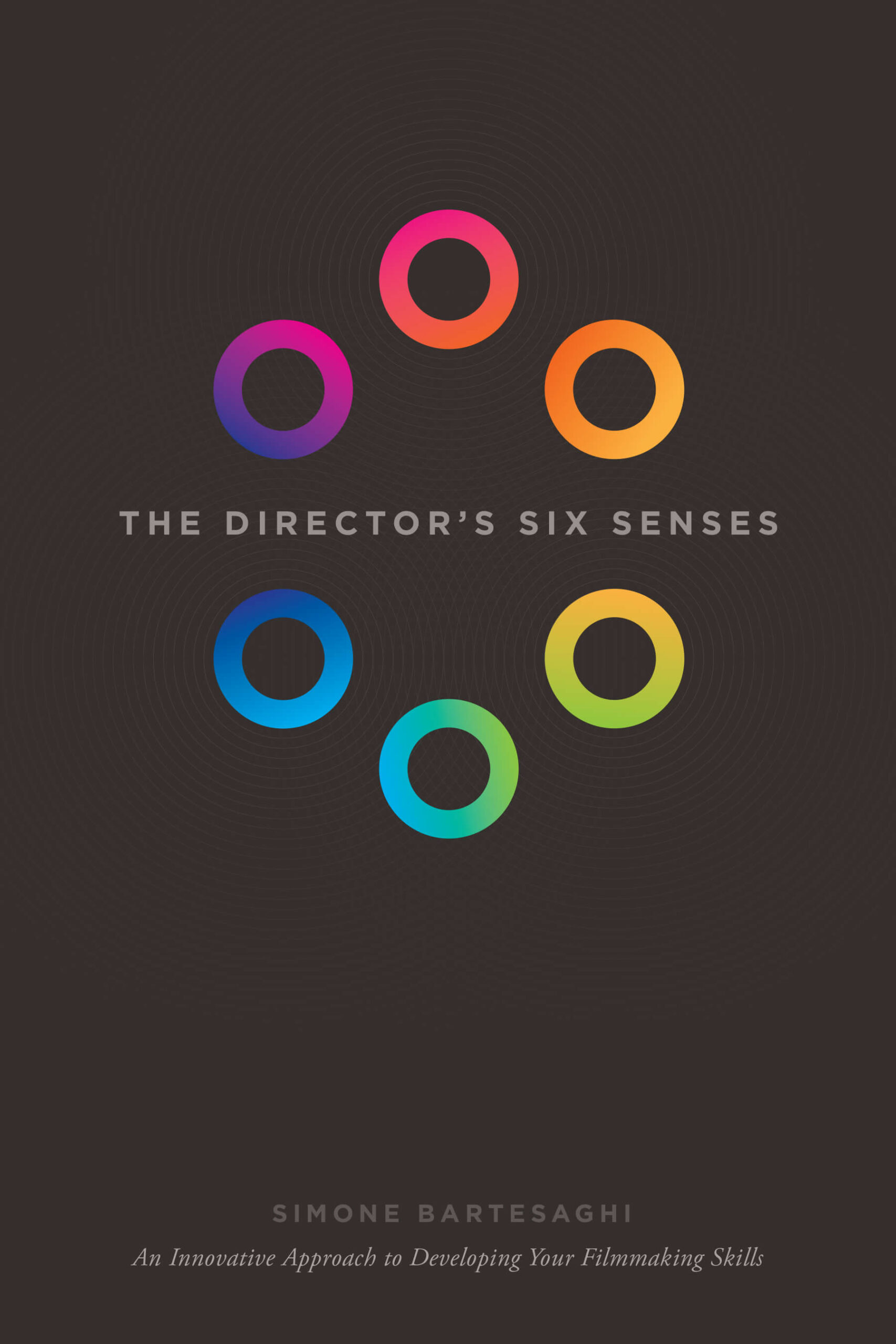
Sale Add to cart Add to wishlist Compare The Director’s Six Senses: An Innovative Approach to Developing Your Filmmaking Skills $17.95 $13.46 Add to cart Add to wishlist Compare
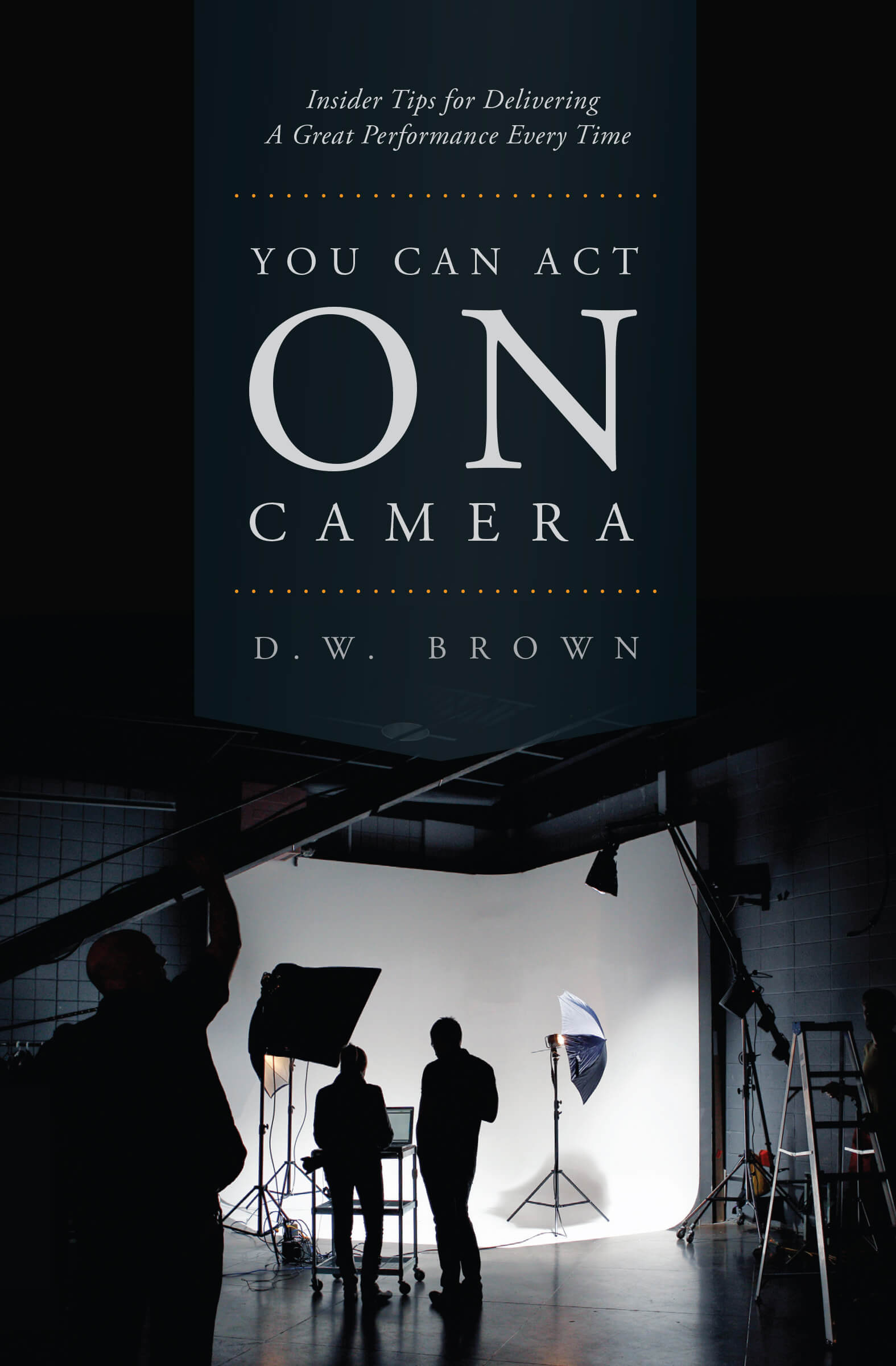
Sale Add to cart Add to wishlist Compare You Can Act on Camera: Insider Tips for Delivering a Great Performance Every Time $15.63 $11.72 Add to cart Add to wishlist Compare
Sale Add to cart Add to wishlist Compare Slay the Dragon: Writing Great Video Games $26.95 $20.21 Add to cart Add to wishlist Compare
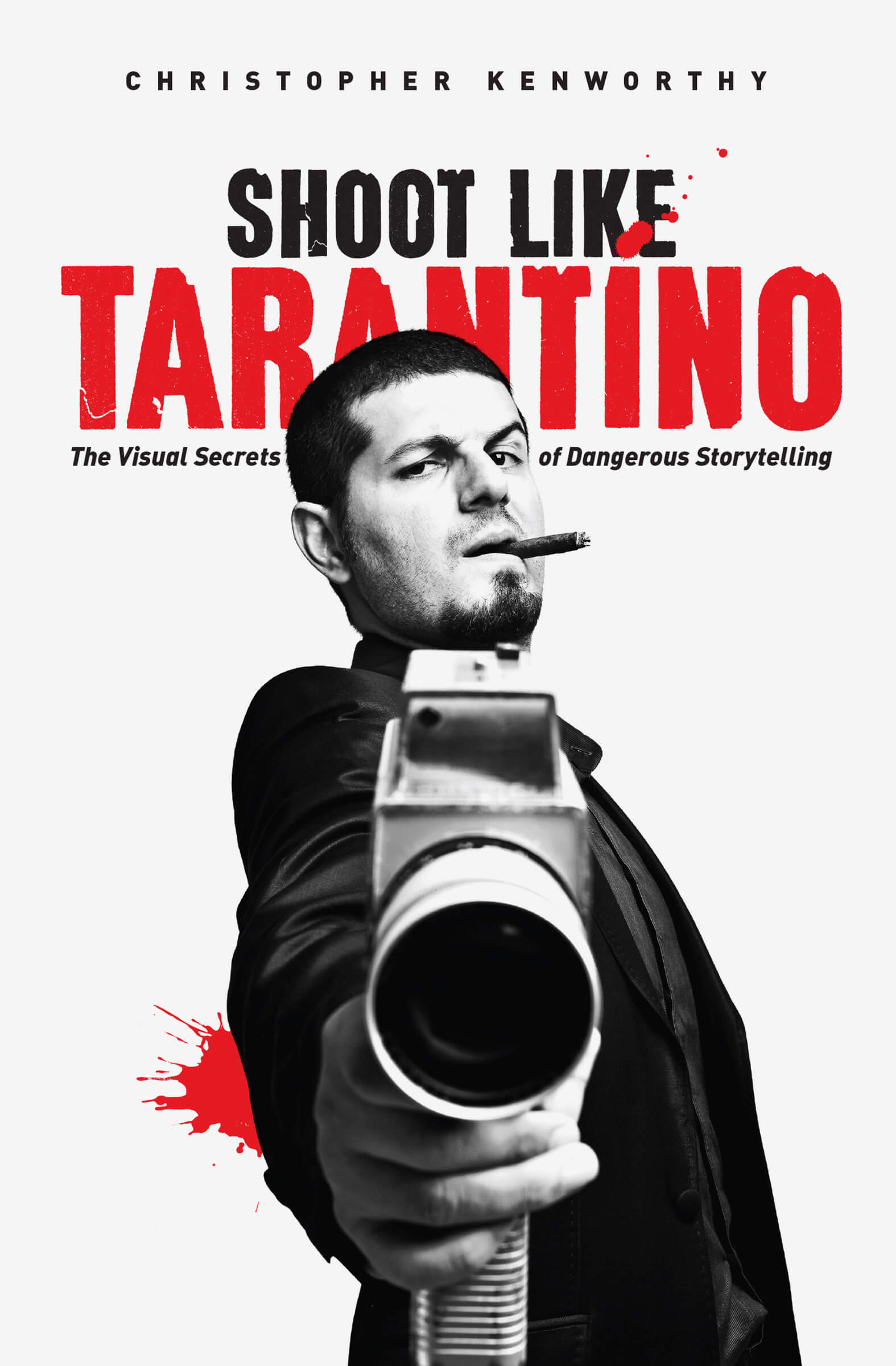
Sale Add to cart Add to wishlist Compare Shoot Like Tarantino: The Visual Secrets of Dangerous Storytelling $17.95 $13.95 Add to cart Add to wishlist Compare
Sale Add to cart Add to wishlist Compare Shoot Like Spielberg: The Visual Secrets of Action, Wonder and Emotional Adventure $17.95 $13.95 Add to cart Add to wishlist Compare
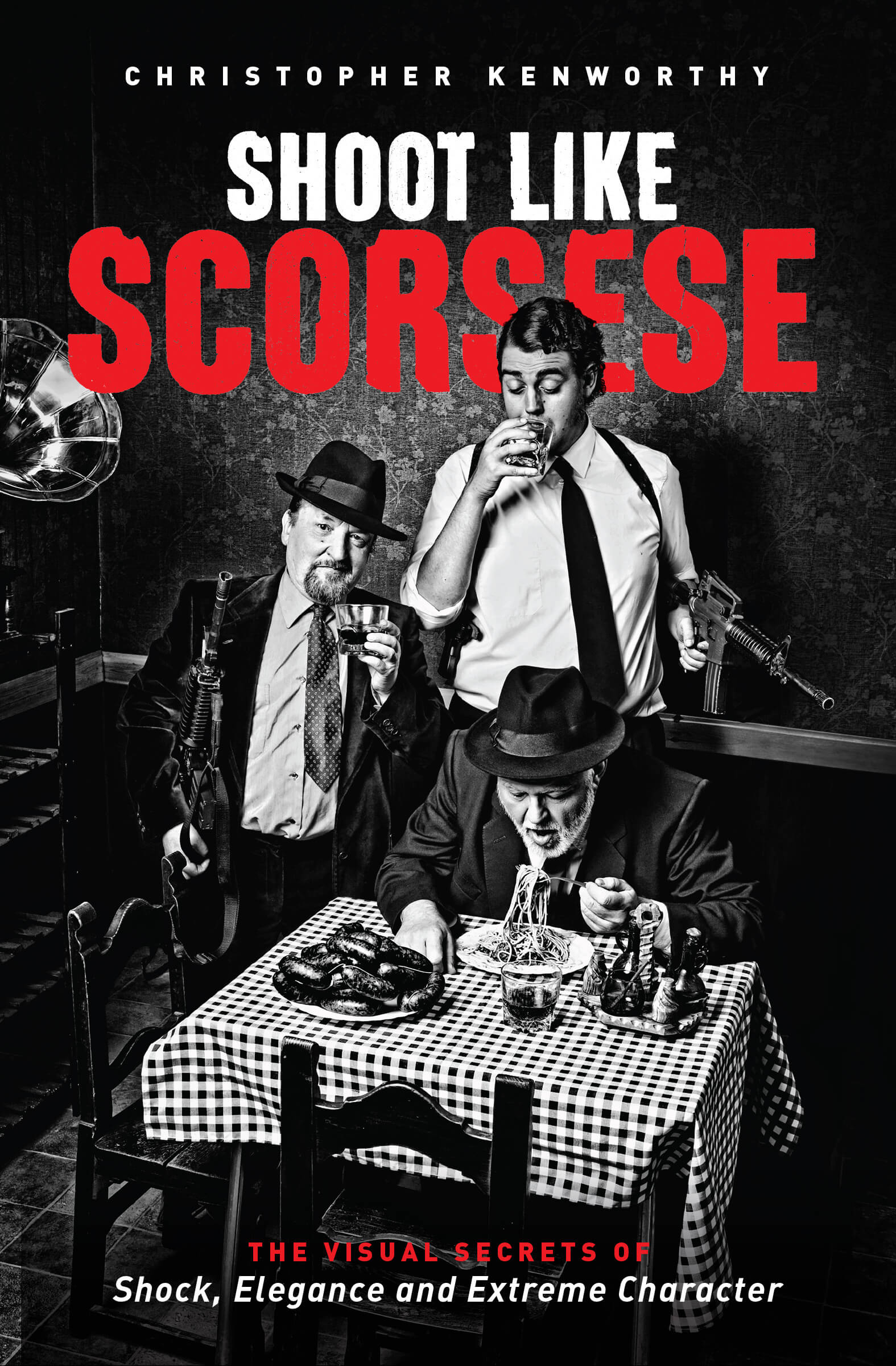
Sale Add to cart Add to wishlist Compare Shoot Like Scorsese: The Visual Secrets of Shock, Elegance, and Extreme Character $17.95 $13.95 Add to cart Add to wishlist Compare
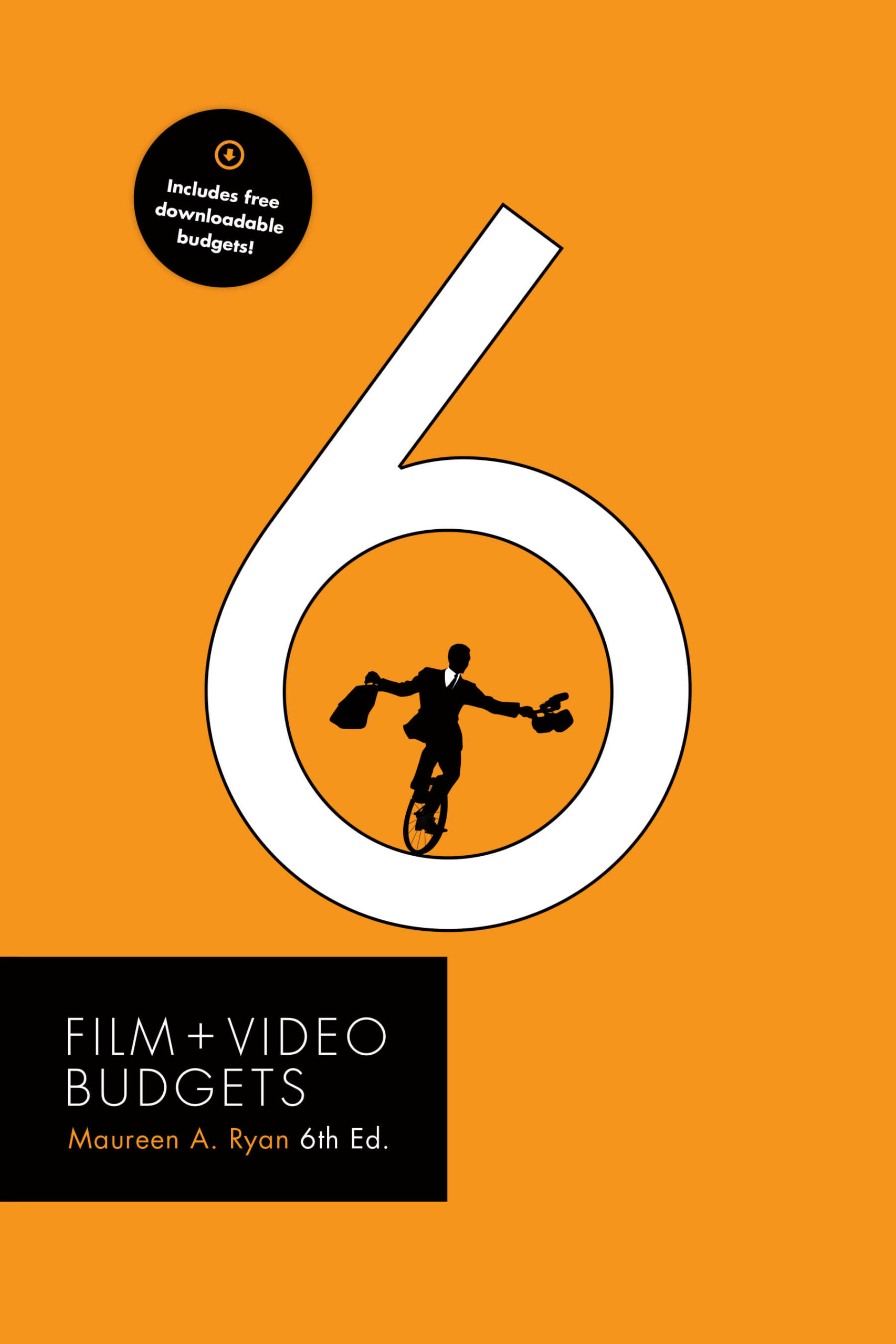
Sale Add to cart Add to wishlist Compare Film and Video Budgets 6 $32.95 $24.70 Add to cart Add to wishlist Compare
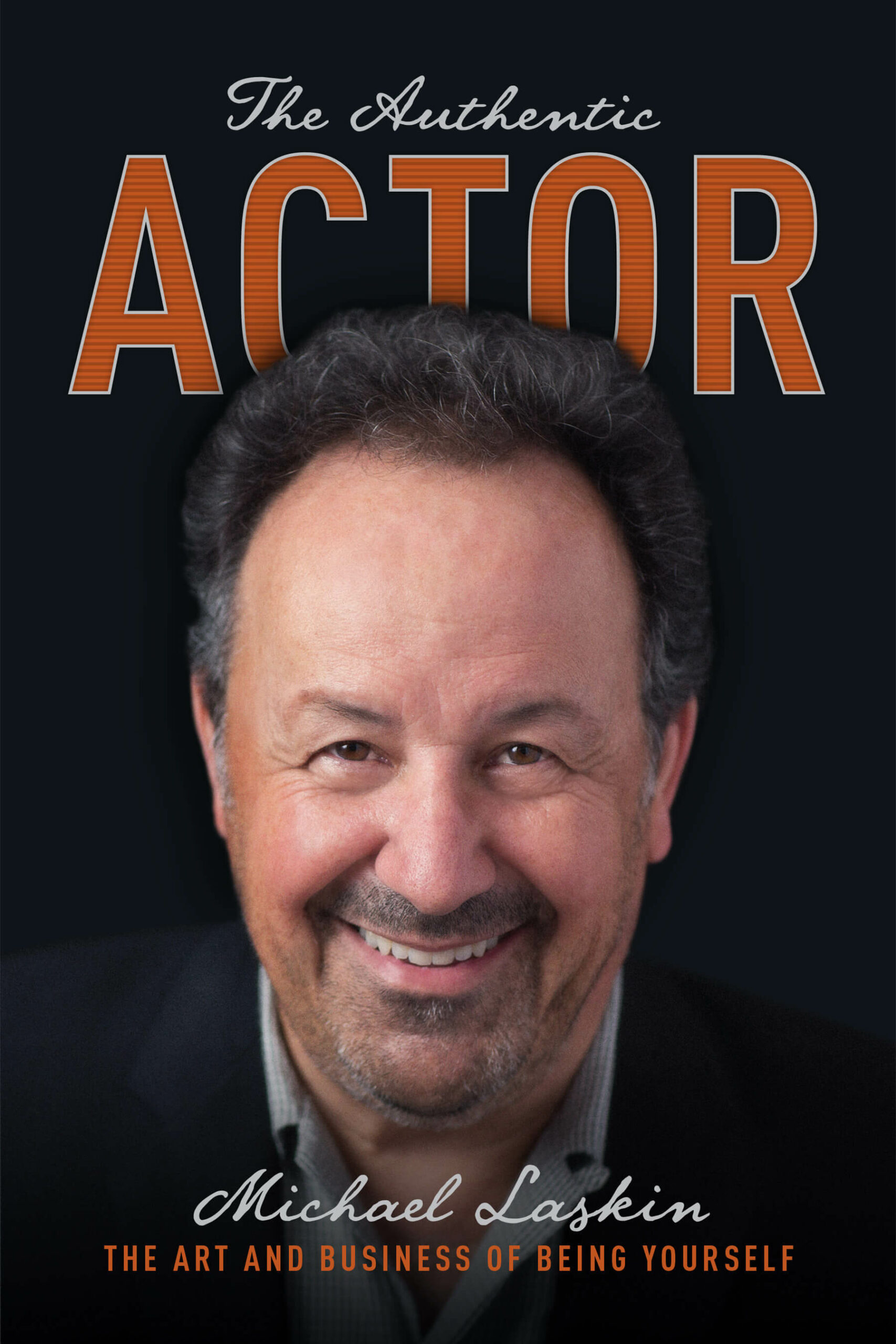
Sale Add to cart Add to wishlist Compare The Authentic Actor: The Art and Business of Being Yourself $19.95 $14.95 Add to cart Add to wishlist Compare
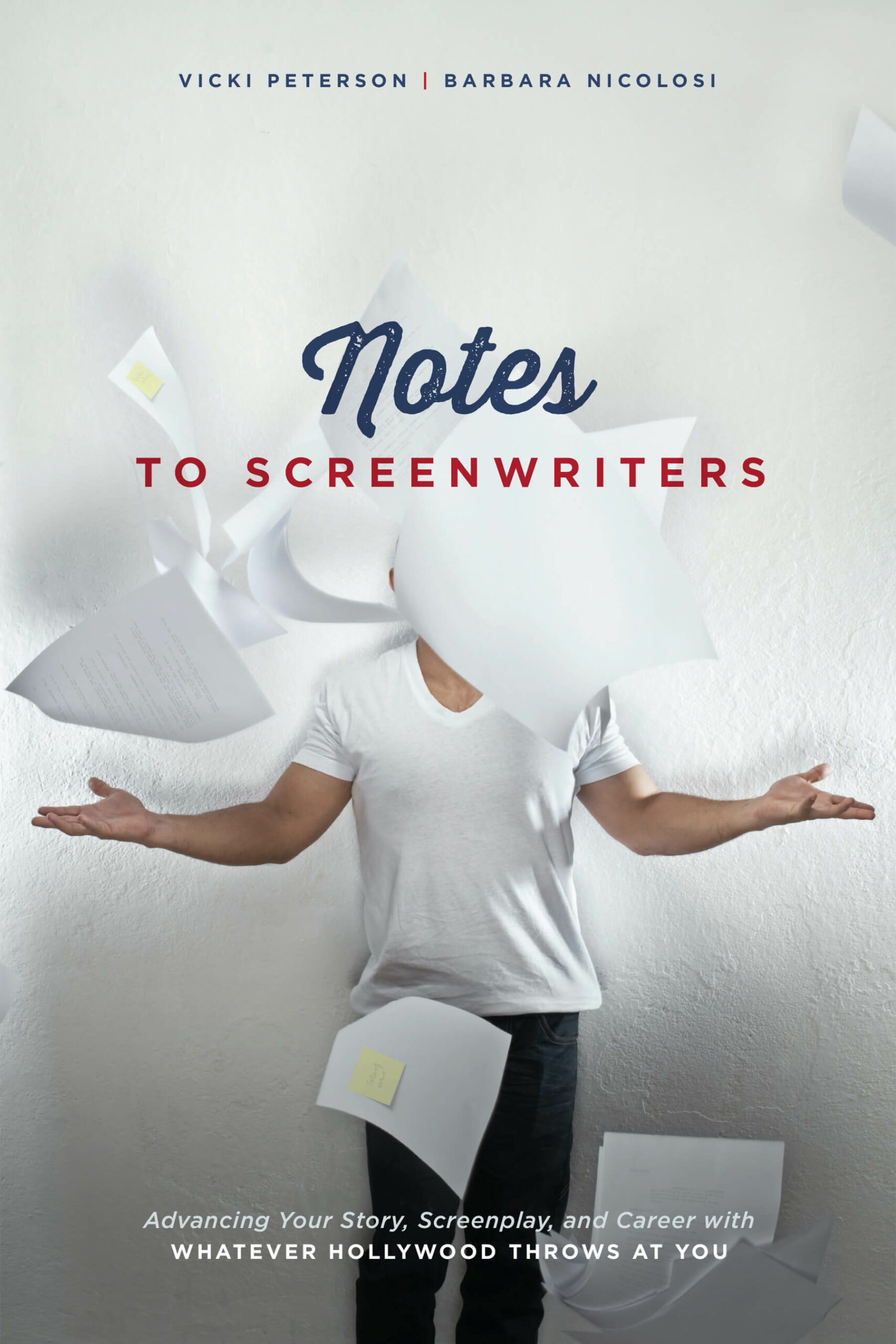
Sale Add to cart Add to wishlist Compare Notes to Screenwriters: Advancing Your Story, Screenplay, and Career With Whatever Hollywood Throws at You $26.95 $20.21 Add to cart Add to wishlist Compare
Sale Add to cart Add to wishlist Compare Future of Television: Your Guide to Creating TV in the New World $22.95 $17.21 Add to cart Add to wishlist Compare
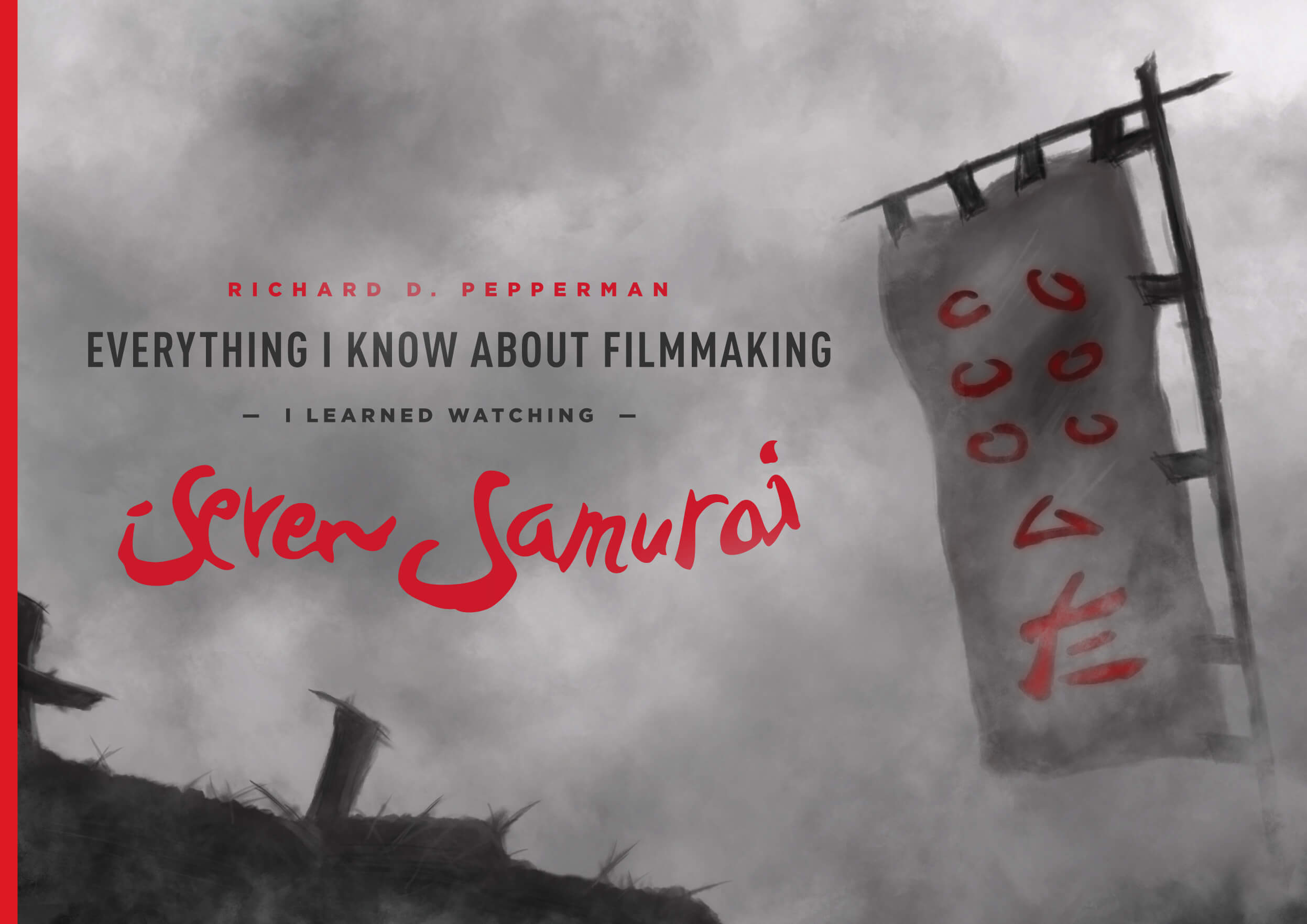
Sale Add to cart Add to wishlist Compare Everything I Know About Filmmaking I Learned Watching Seven Samurai $19.95 $14.96 Add to cart Add to wishlist Compare
Sale Add to cart Add to wishlist Compare 39 Steps to Better Screenwriting: A Practical Guide to Improving Your Screenplay (Kindle Edition) $10.21 $7.65 Add to cart Add to wishlist Compare
Sale Add to cart Add to wishlist Compare Getting It Write: An Insider’s Guide to a Screenwriting Career $17.95 $13.46 Add to cart Add to wishlist Compare
Read more Add to wishlist Compare A Creative Person’s Survival Manual – Free eBook Download $0.00 Read more Add to wishlist Compare
Sale Add to cart Add to wishlist Compare Create Your Own TV Series for the Internet (2nd Edition) $26.95 $20.21 Add to cart Add to wishlist Compare
Sale Add to cart Add to wishlist Compare Between the Scenes: What Every Film Director, Writer, and Editor Should Know About Scene Transitions $26.95 $20.21 Add to cart Add to wishlist Compare
Sale Add to cart Add to wishlist Compare Directing the Camera: How Professional Directors Use a Moving Camera to Energize Their Films $26.95 $20.21 Add to cart Add to wishlist Compare
Sale Add to cart Add to wishlist Compare Rewrite: A Step-by-Step Guide to Strengthen Structure, Characters, and Drama in your Screenplay (2nd Edition) $22.95 $17.21 Add to cart Add to wishlist Compare
Sale Add to cart Add to wishlist Compare Master Shots, Volume 1: 100 Advanced Camera Techniques to Get an Expensive Look on Your Low-Budget Movie (2nd Edition) $32.95 $24.71 Add to cart Add to wishlist Compare
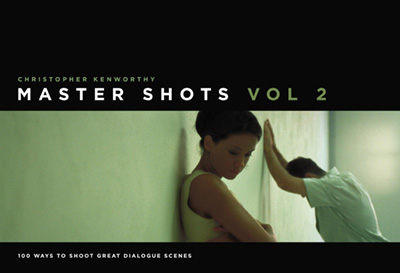
Sale Add to cart Add to wishlist Compare Master Shots, Volume 2: 100 Ways to Shoot Great Dialogue Scenes $32.95 $24.71 Add to cart Add to wishlist Compare
Sale Add to cart Add to wishlist Compare Master Shots, Volume 3: The Director’s Vision; 100 Setups, Scenes and Moves for Your Breakthrough Movie $32.95 $24.71 Add to cart Add to wishlist Compare
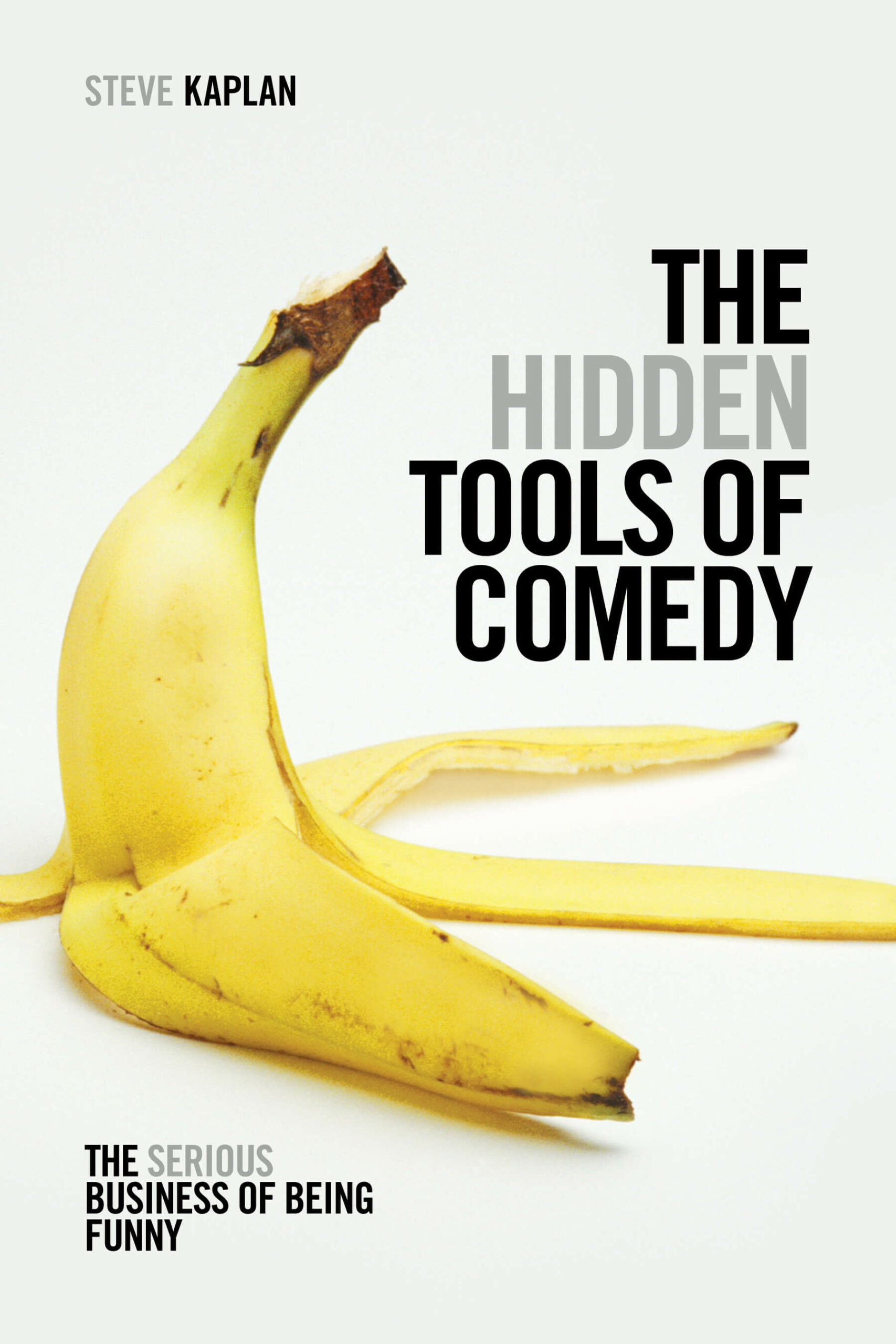
Sale Add to cart Add to wishlist Compare The Hidden Tools of Comedy: The Serious Business of Being Funny $28.95 $21.71 Add to cart Add to wishlist Compare
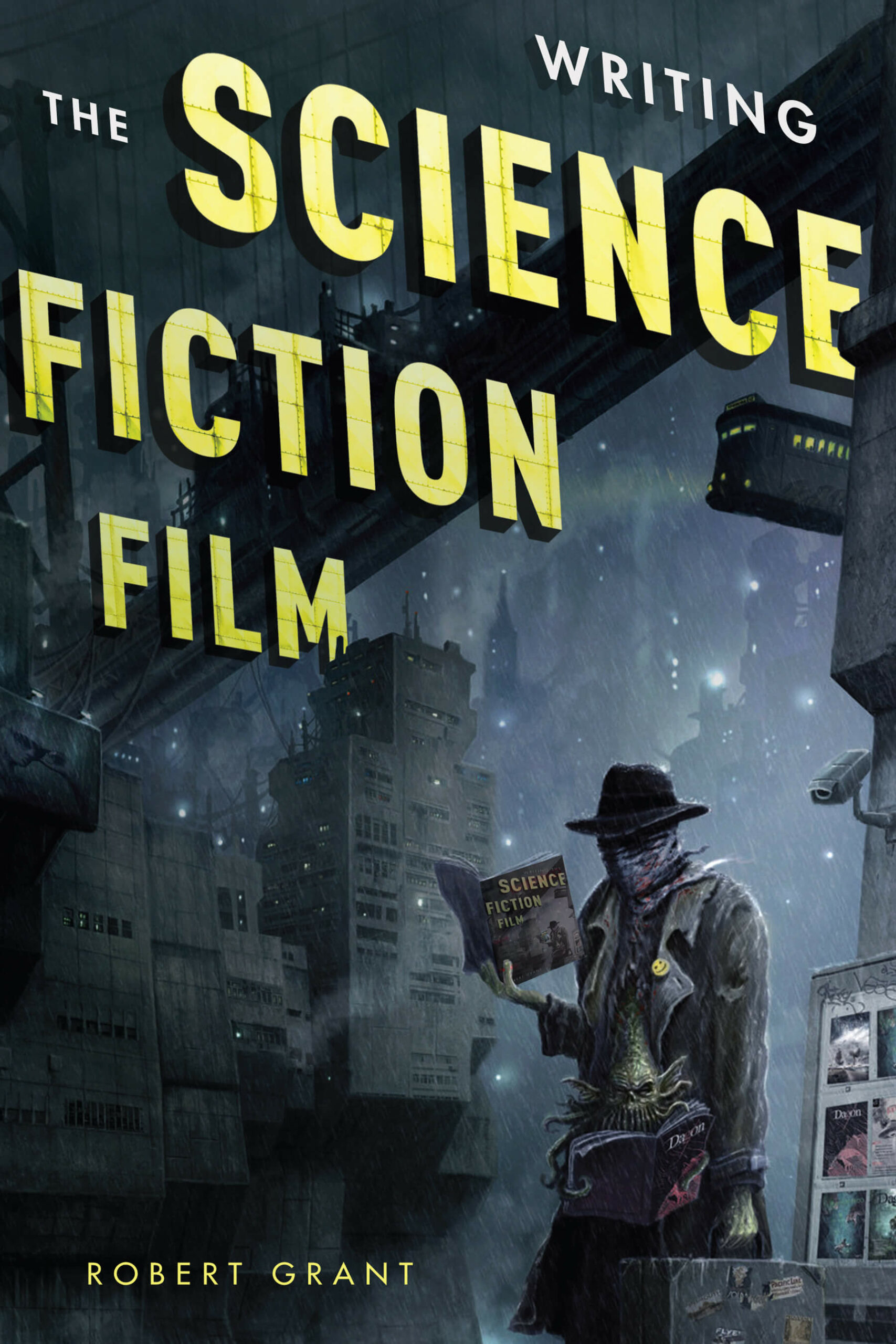
Sale Add to cart Add to wishlist Compare Writing the Science Fiction Film $26.95 $19.98 Add to cart Add to wishlist Compare
Sale Add to cart Add to wishlist Compare Forensic Speak: How to Write Realistic Crime Dramas $29.95 $22.46 Add to cart Add to wishlist Compare
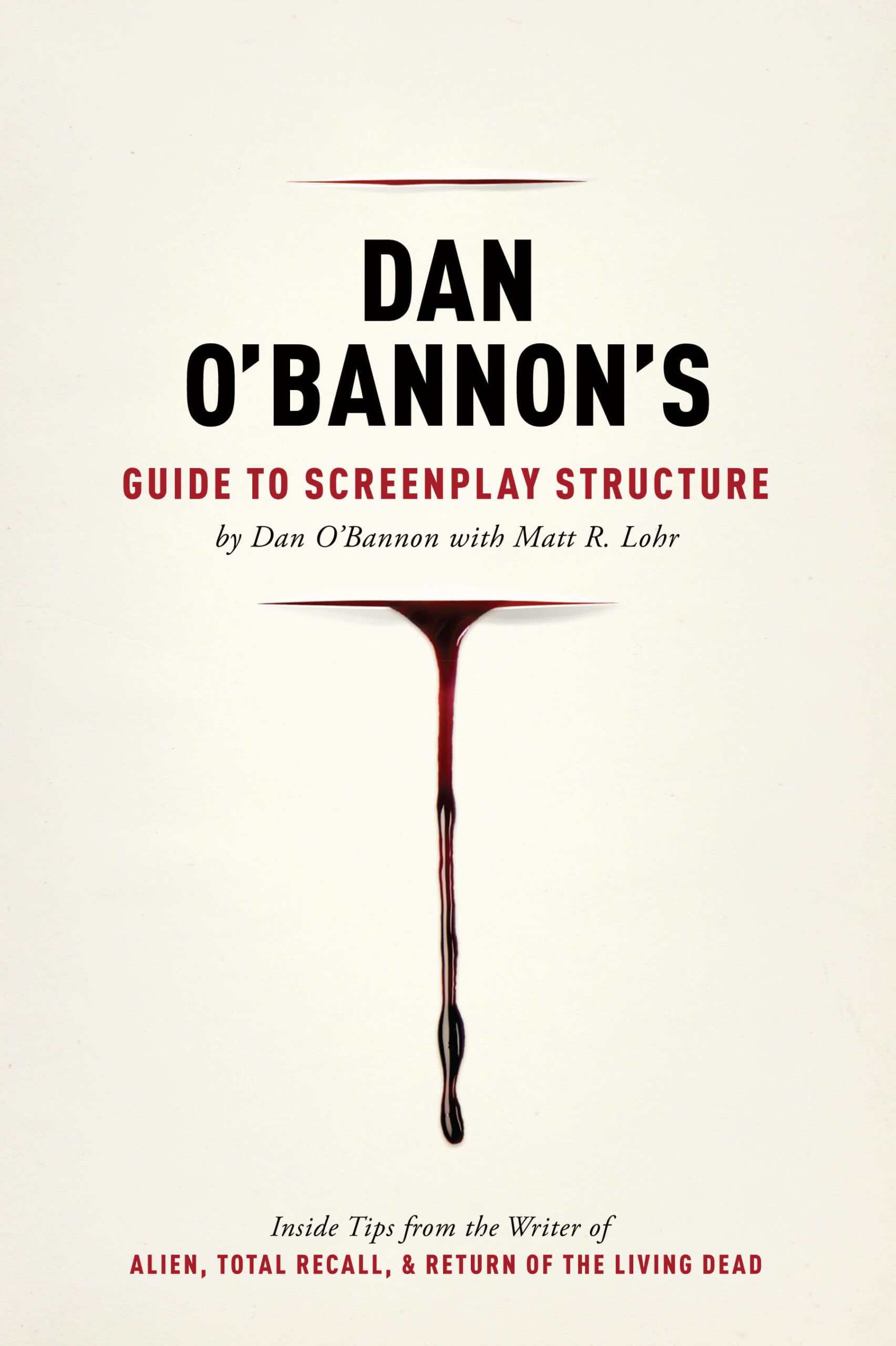
Sale Add to cart Add to wishlist Compare Dan O’Bannon’s Guide to Screenplay Structure: Inside Tips from the Writer of Alien, Total Recall and Return of the Living Dead $26.95 $20.21 Add to cart Add to wishlist Compare
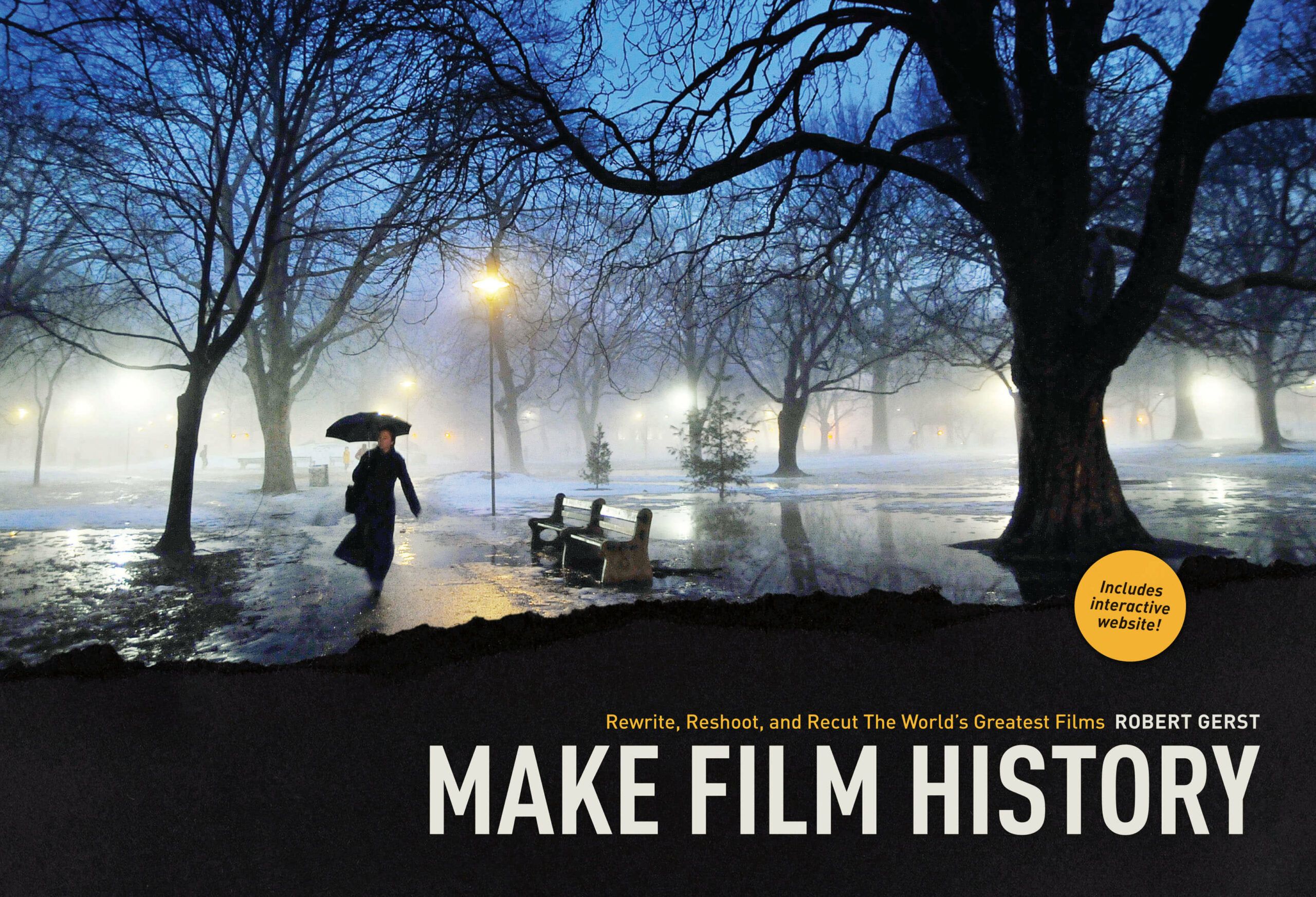
Sale Add to cart Add to wishlist Compare Make Film History: Rewrite, Reshoot, and Recut the World’s Greatest Films $29.95 $22.46 Add to cart Add to wishlist Compare
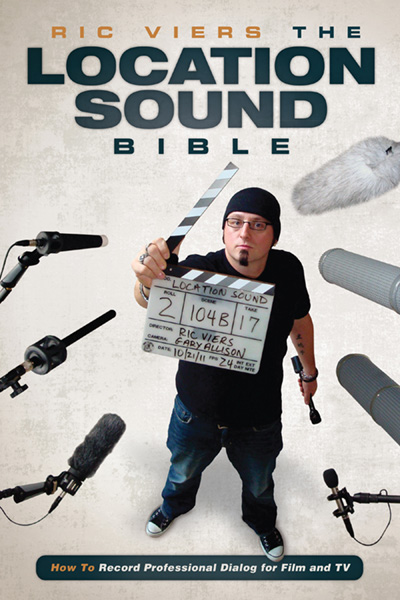
Sale Add to cart Add to wishlist Compare The Location Sound Bible: How to Record Professional Dialog for Film and TV $26.95 $20.21 Add to cart Add to wishlist Compare
Sale Add to cart Add to wishlist Compare The Art of Film Funding: Alternative Financing Concepts (2nd Edition) $26.95 $20.21 Add to cart Add to wishlist Compare
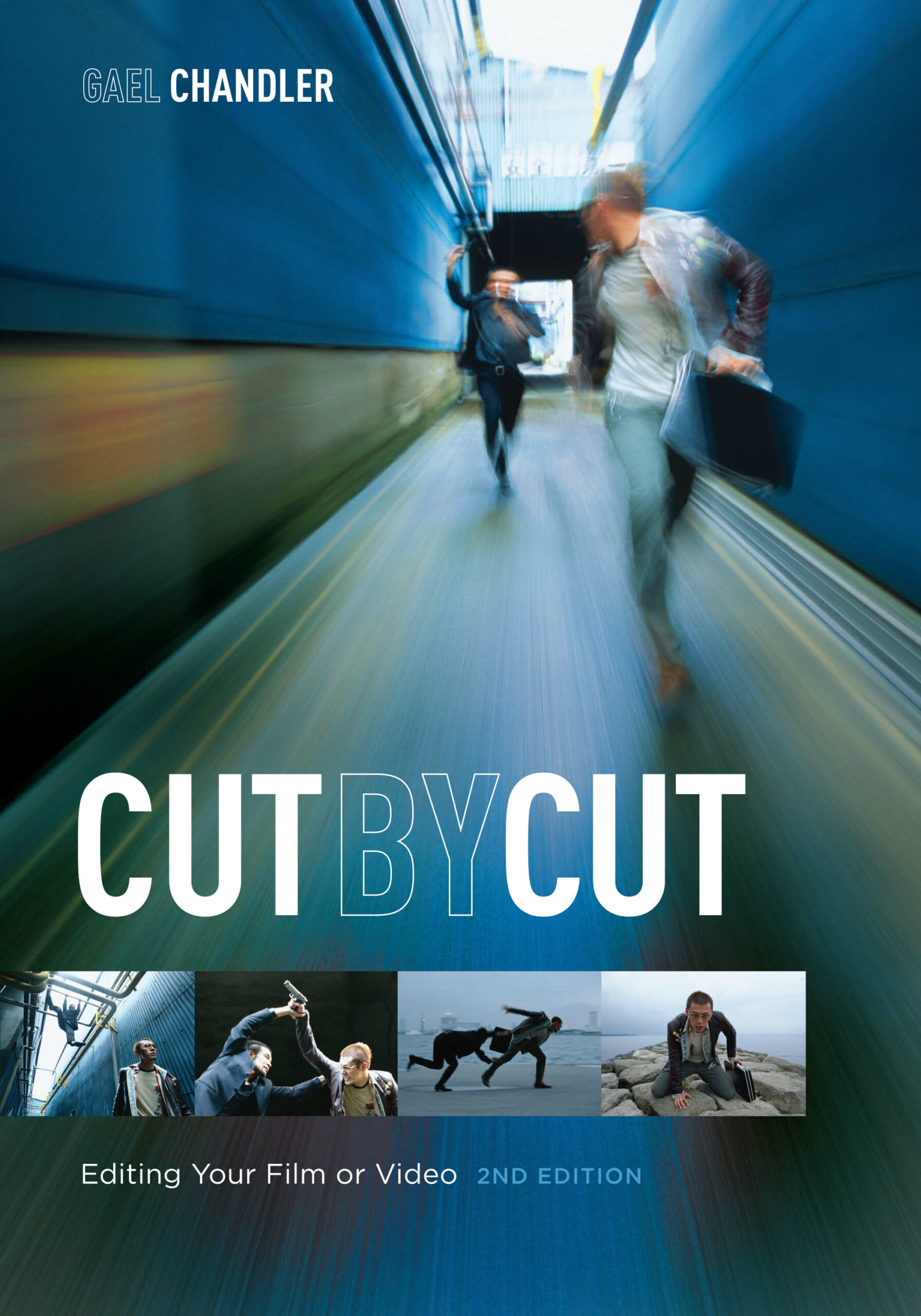
Sale Add to cart Add to wishlist Compare Cut by Cut: Editing your Film or Video (2nd Edition) $39.95 $30.00 Add to cart Add to wishlist Compare
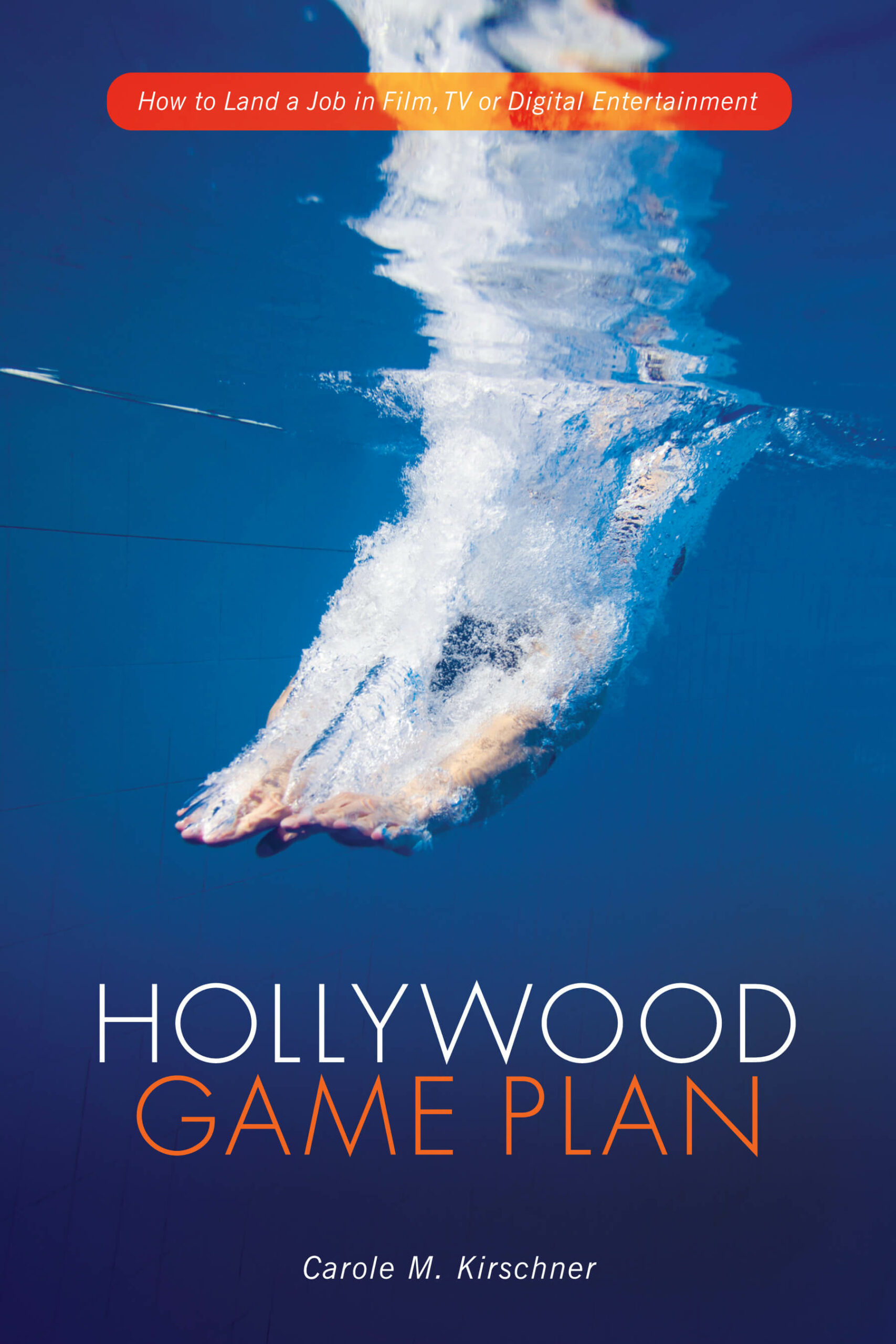
Sale Add to cart Add to wishlist Compare Hollywood Game Plan: How to Land a Job in Film, TV and Digital Entertainment $26.95 $20.21 Add to cart Add to wishlist Compare
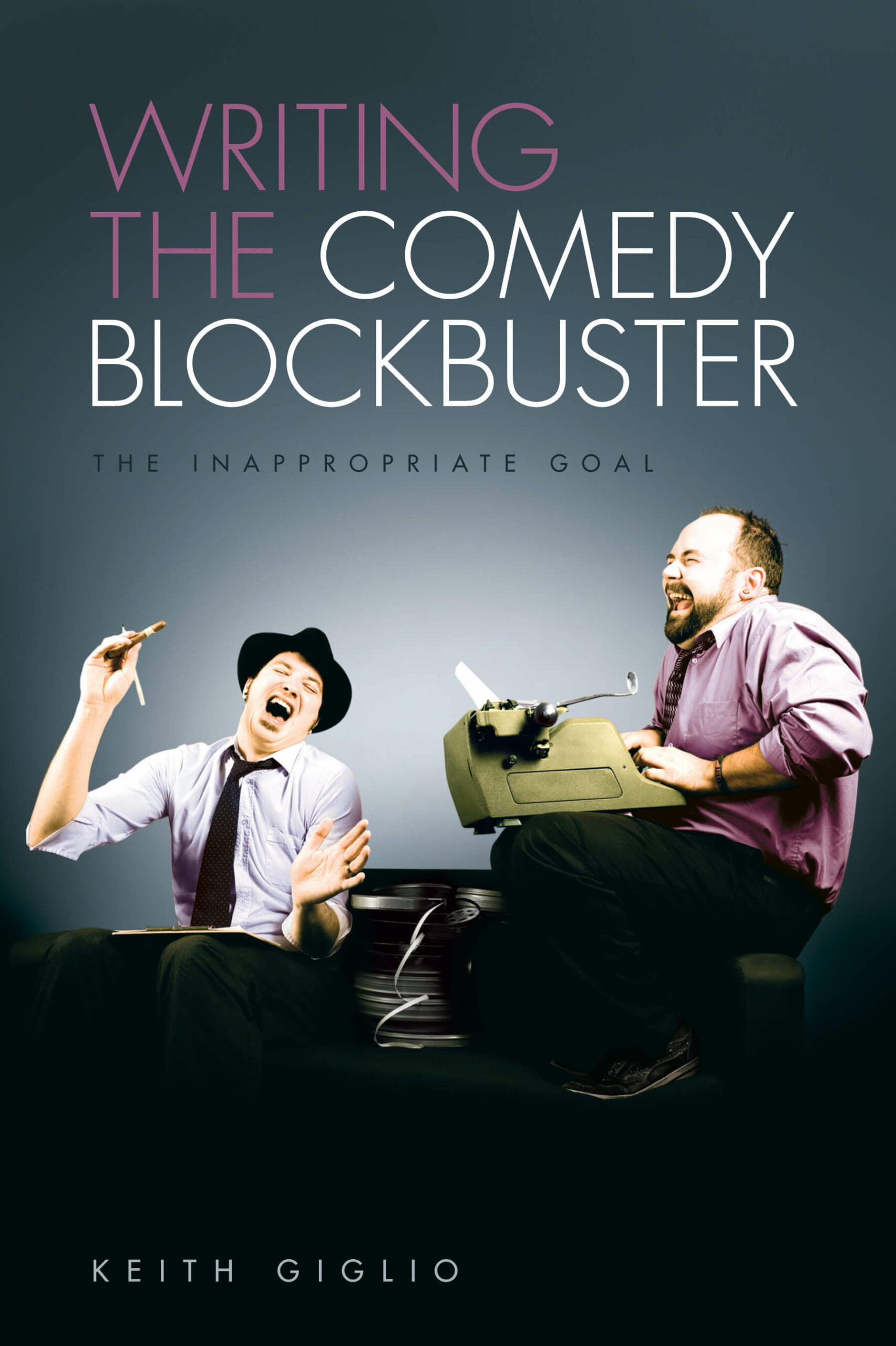
Sale Add to cart Add to wishlist Compare Writing the Comedy Blockbuster: The Inappropriate Goal $22.95 $17.21 Add to cart Add to wishlist Compare
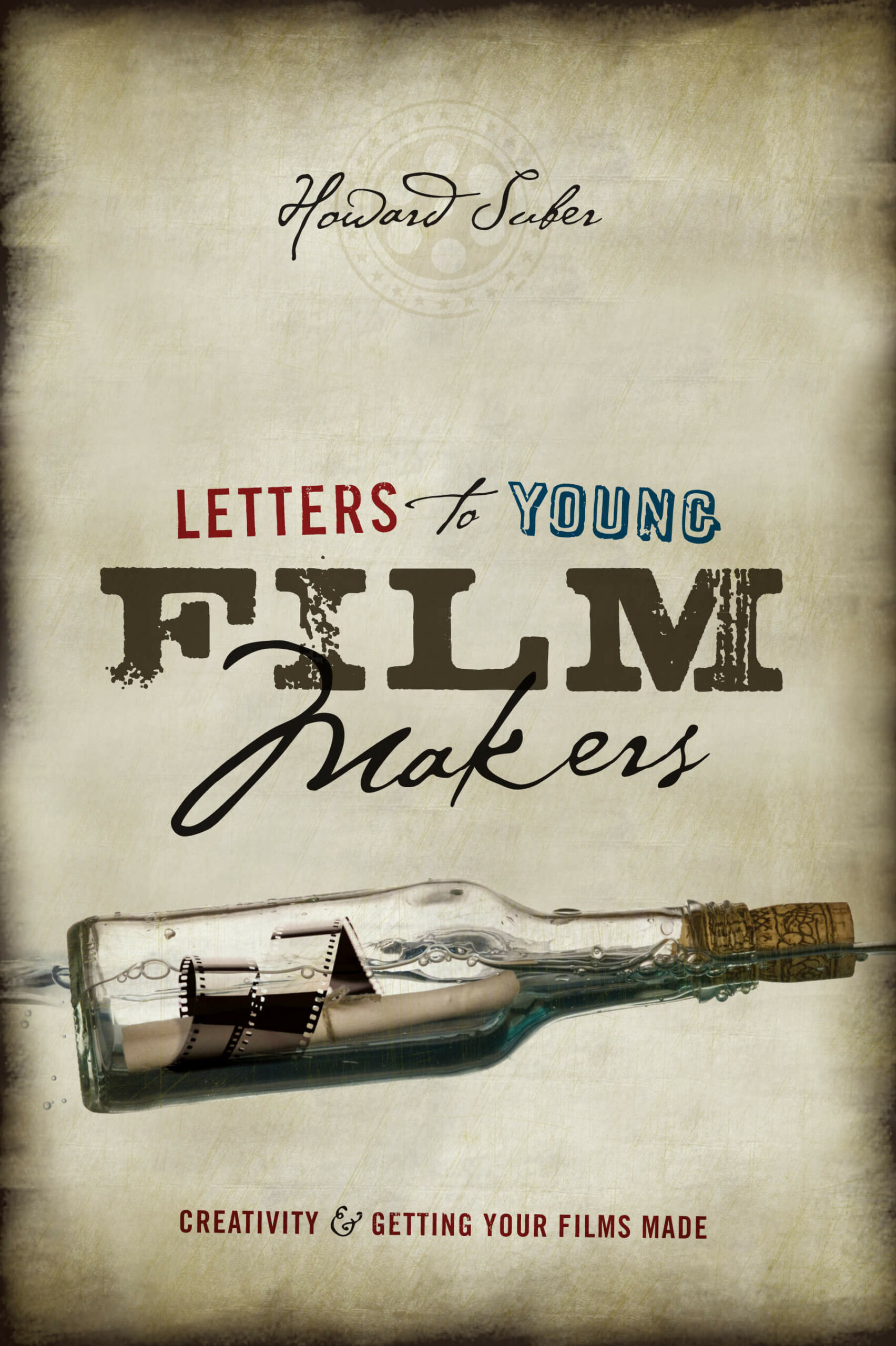
Sale Add to cart Add to wishlist Compare Letters to Young Filmmakers: Creativity and Getting Your Films Made $20.95 $15.71 Add to cart Add to wishlist Compare
Sale Add to cart Add to wishlist Compare The Storyboard Artist: A Guide to Freelancing in Film, TV, and Advertising $24.95 $18.71 Add to cart Add to wishlist Compare
Sale Add to cart Add to wishlist Compare The Story Solution: 23 Actions All Great Heroes Must Take $29.95 $22.50 Add to cart Add to wishlist Compare
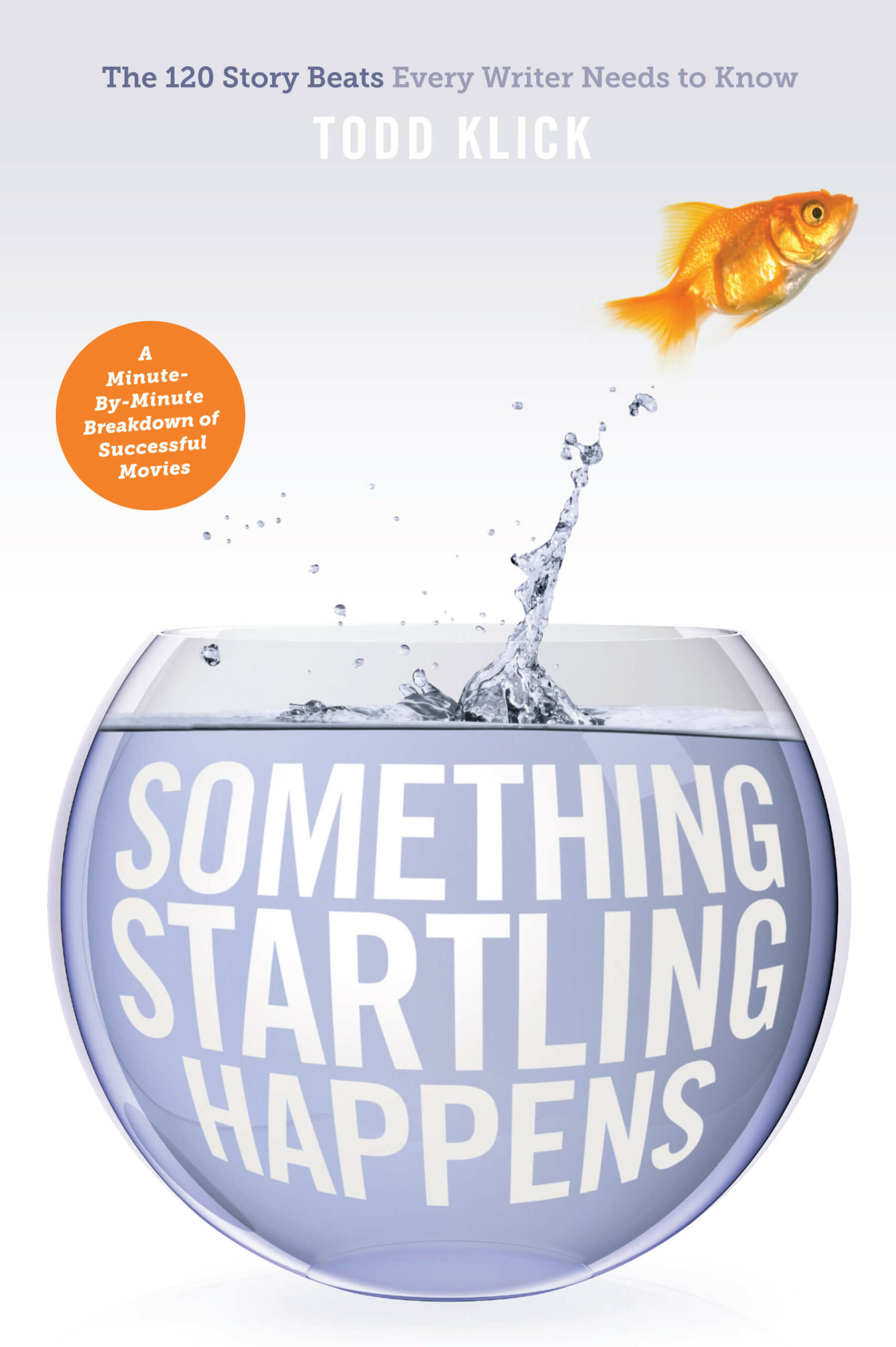
Sale Add to cart Add to wishlist Compare Something Startling Happens: The 120 Story Beats Every Writer Needs to Know $24.95 $18.71 Add to cart Add to wishlist Compare
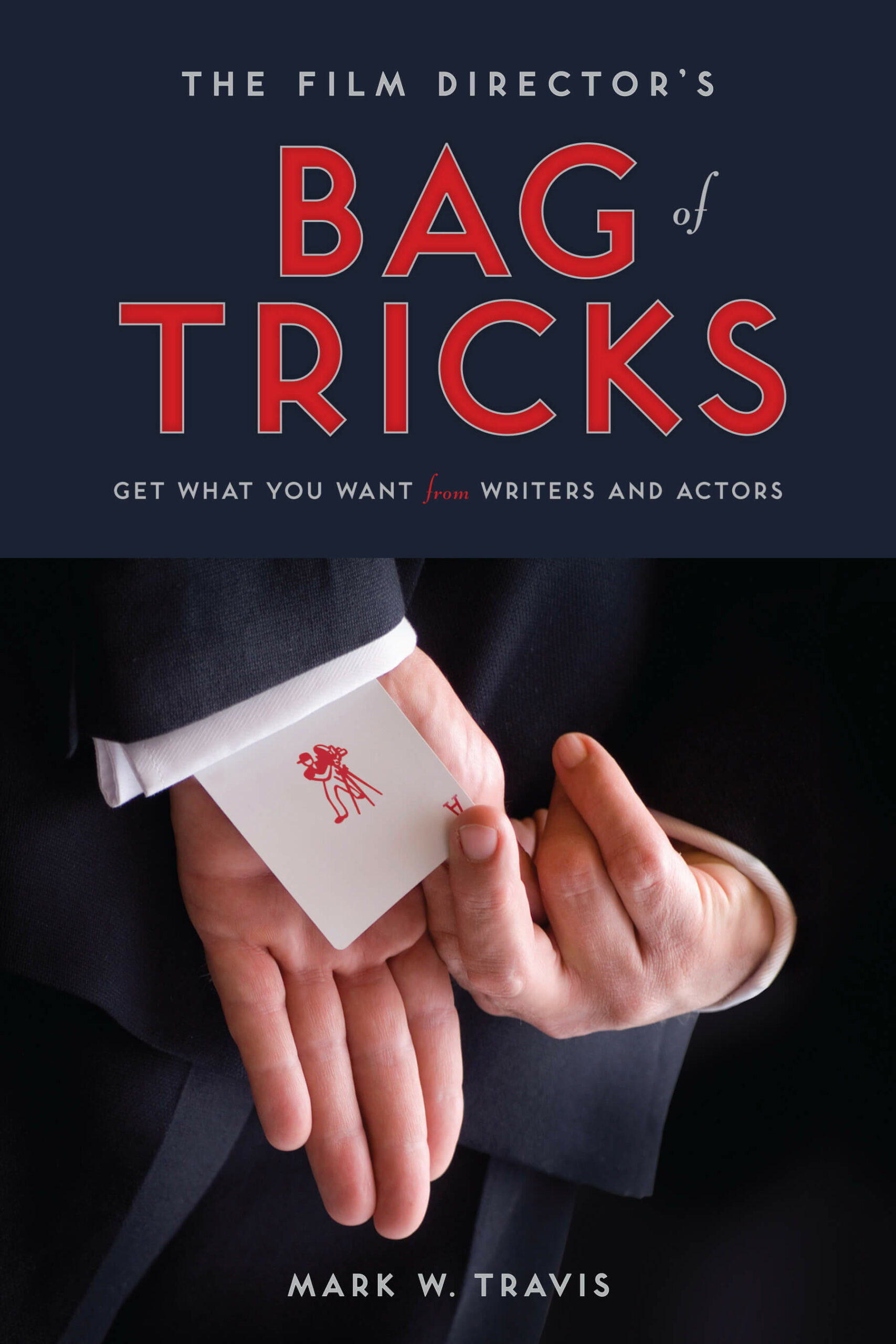
Sale Add to cart Add to wishlist Compare The Film Director’s Bag of Tricks: Get What You Want from Writers and Actors $22.95 $17.21 Add to cart Add to wishlist Compare
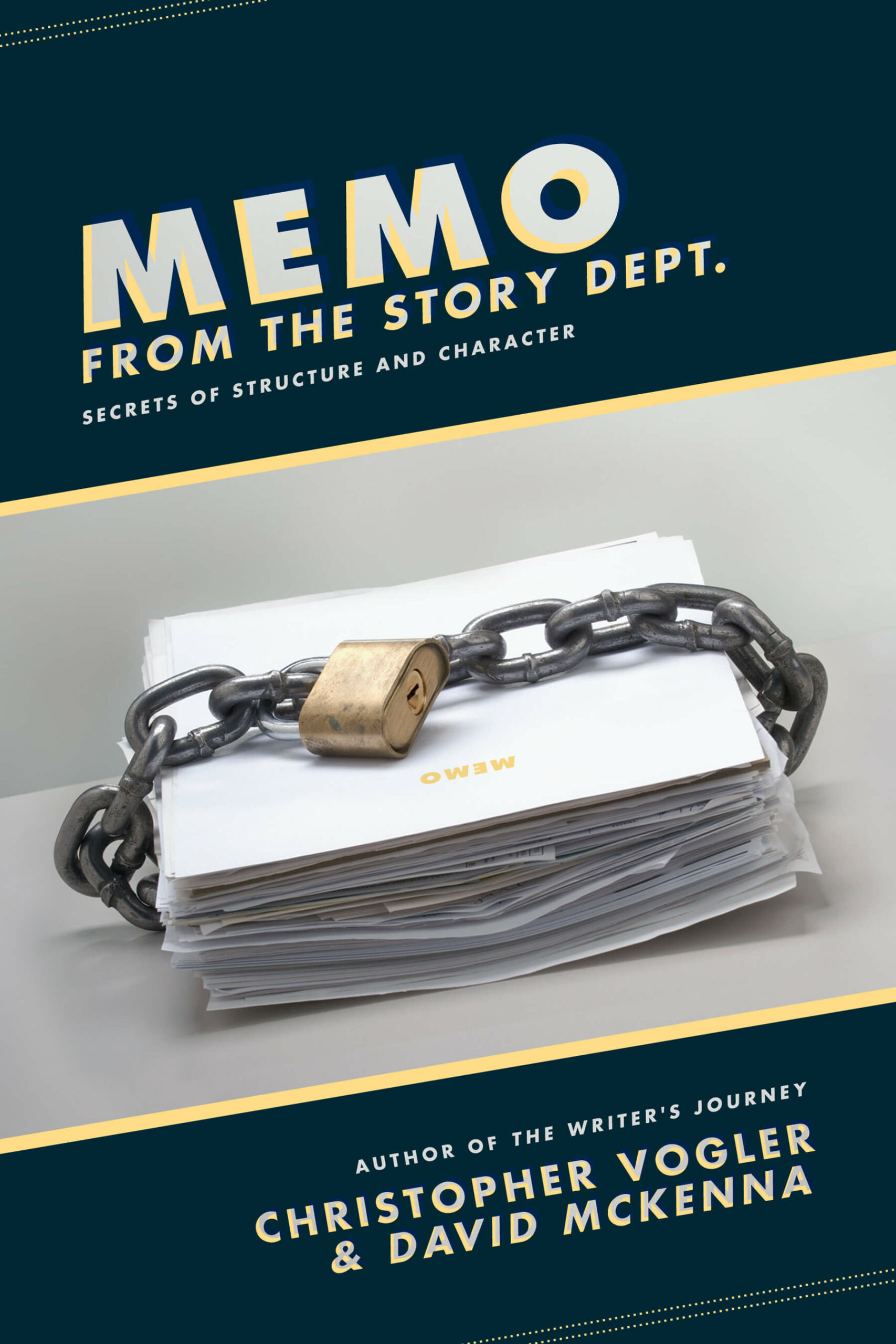
Sale Add to cart Add to wishlist Compare Memo from the Story Dept: Secrets of Structure and Character $26.95 $20.21 Add to cart Add to wishlist Compare
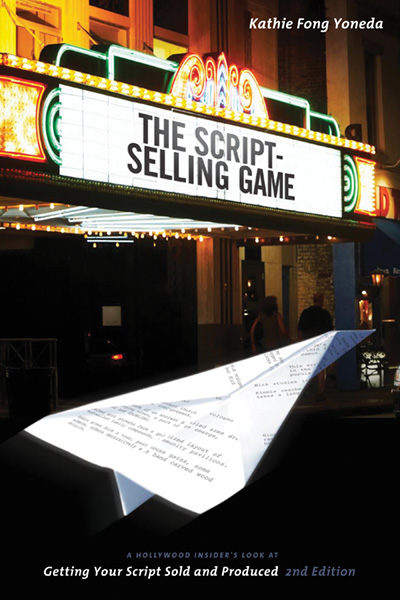
Sale Add to cart Add to wishlist Compare The Script-Selling Game: A Hollywood Insider’s Look at Getting your Script Sold and Produced (2nd Edition) $19.95 $14.96 Add to cart Add to wishlist Compare
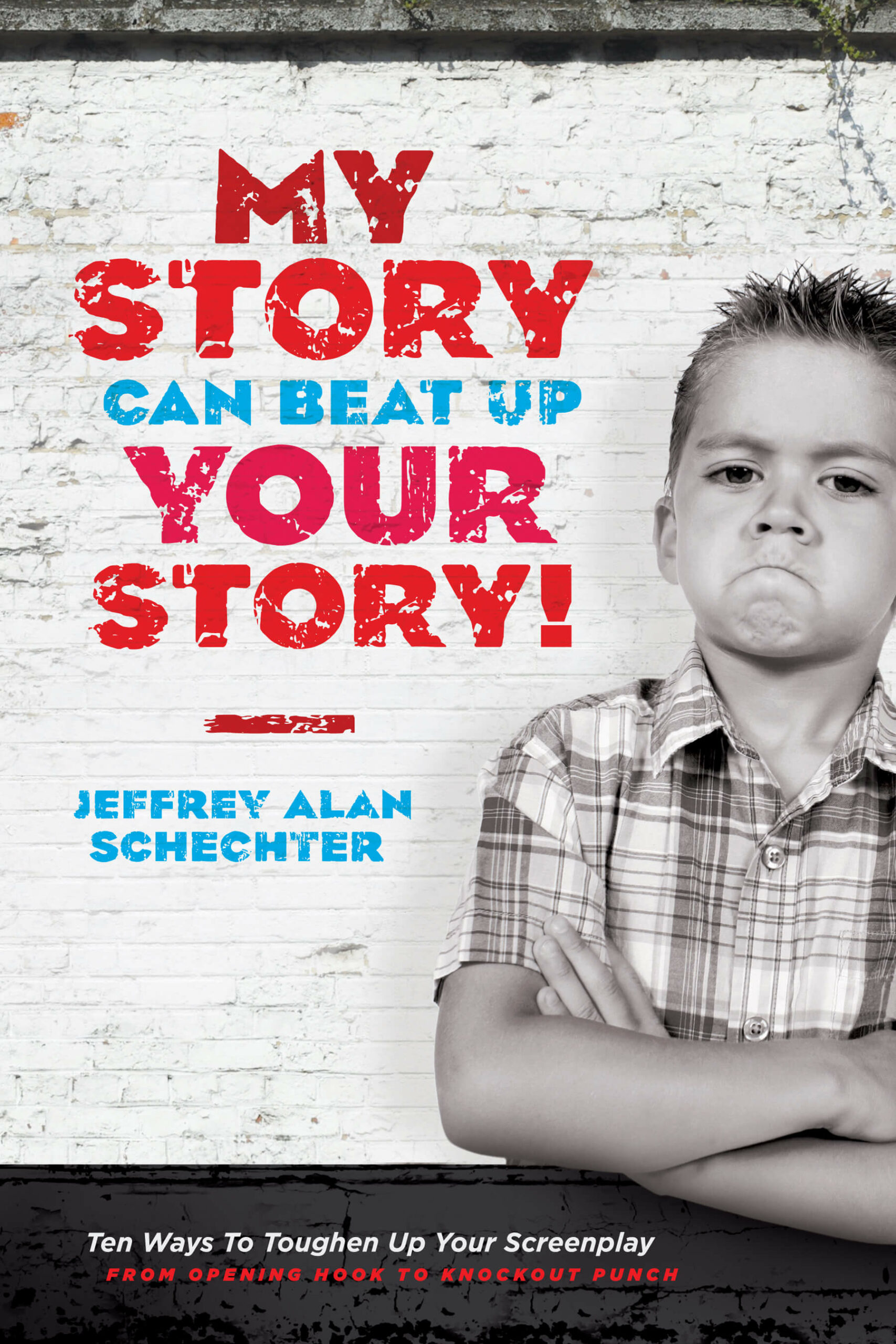
Sale Add to cart Add to wishlist Compare My Story Can Beat Up Your Story: Ten Ways to Toughen Up Your Screenplay from Opening Hook to Knockout Punch $19.95 $14.96 Add to cart Add to wishlist Compare
Sale Add to cart Add to wishlist Compare Story Line: Finding Gold in Your Life Story $26.95 $20.21 Add to cart Add to wishlist Compare
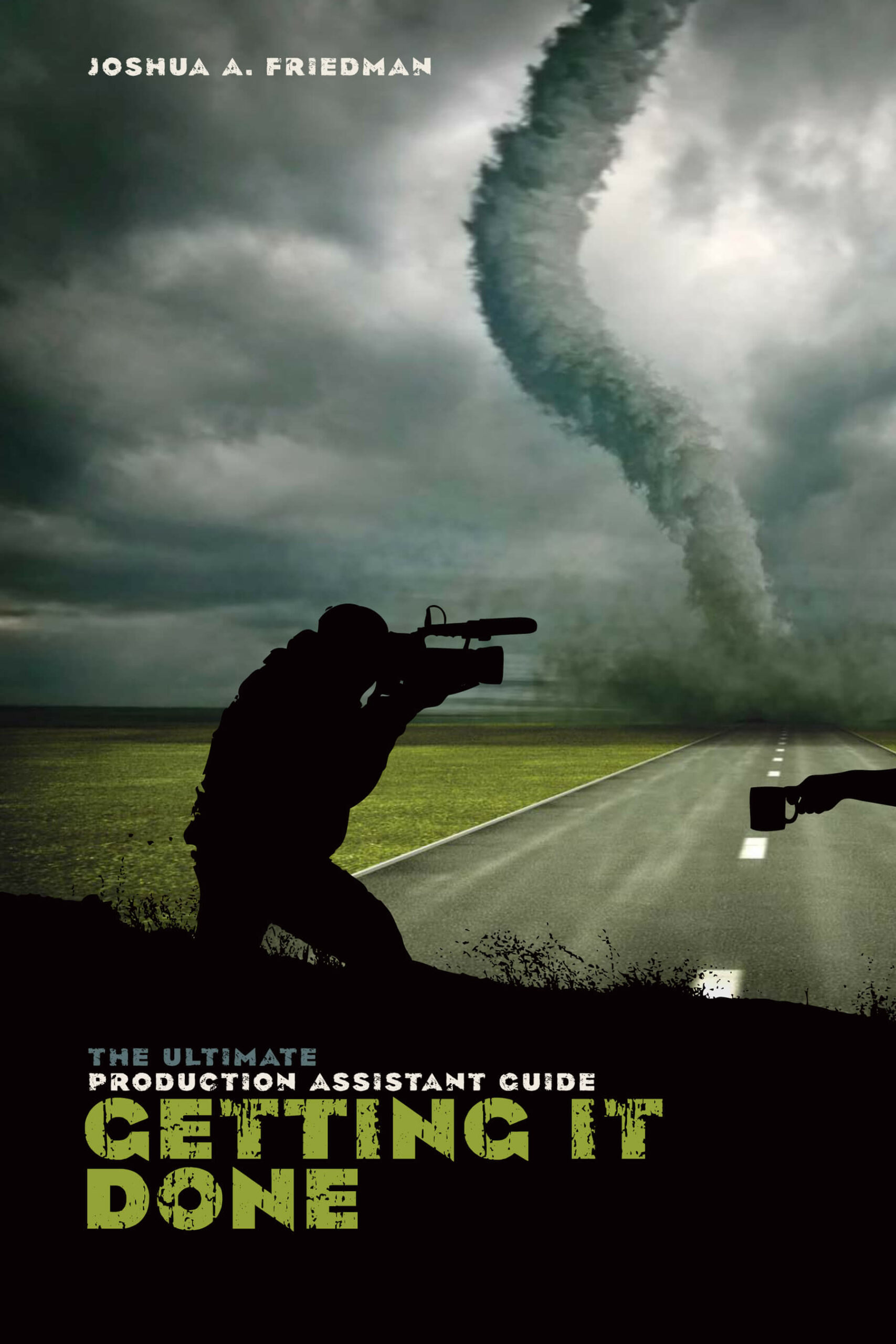
Sale Add to cart Add to wishlist Compare Getting It Done: The Ultimate Production Assistant Guide $20.95 $15.71 Add to cart Add to wishlist Compare
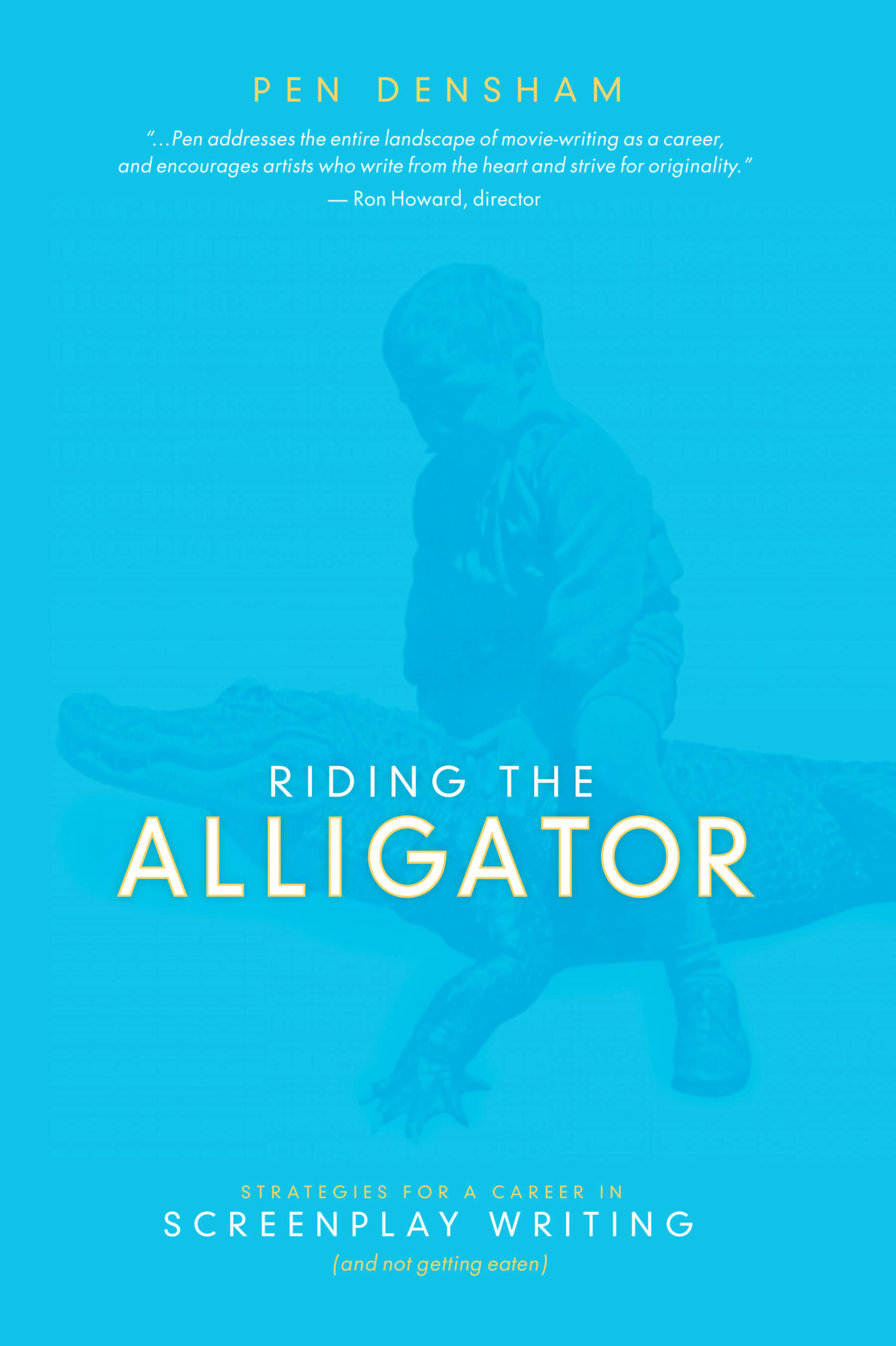
Sale Add to cart Add to wishlist Compare Riding the Alligator: Strategies for a Career in Screenplay Writing $24.95 $18.71 Add to cart Add to wishlist Compare
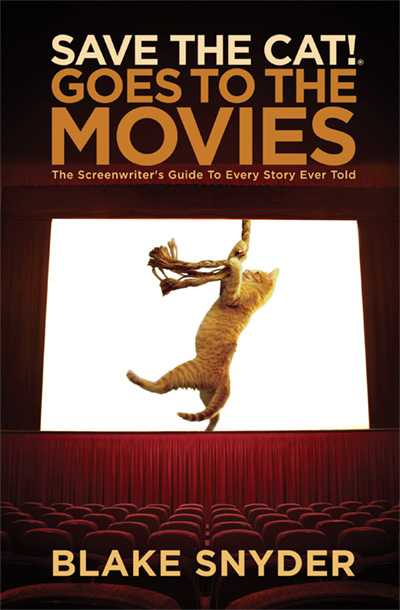
Sale Add to cart Add to wishlist Compare Save the Cat! Goes to the Movies: The Screenwriter’s Guide to Every Story Ever Told $26.95 $20.21 Add to cart Add to wishlist Compare
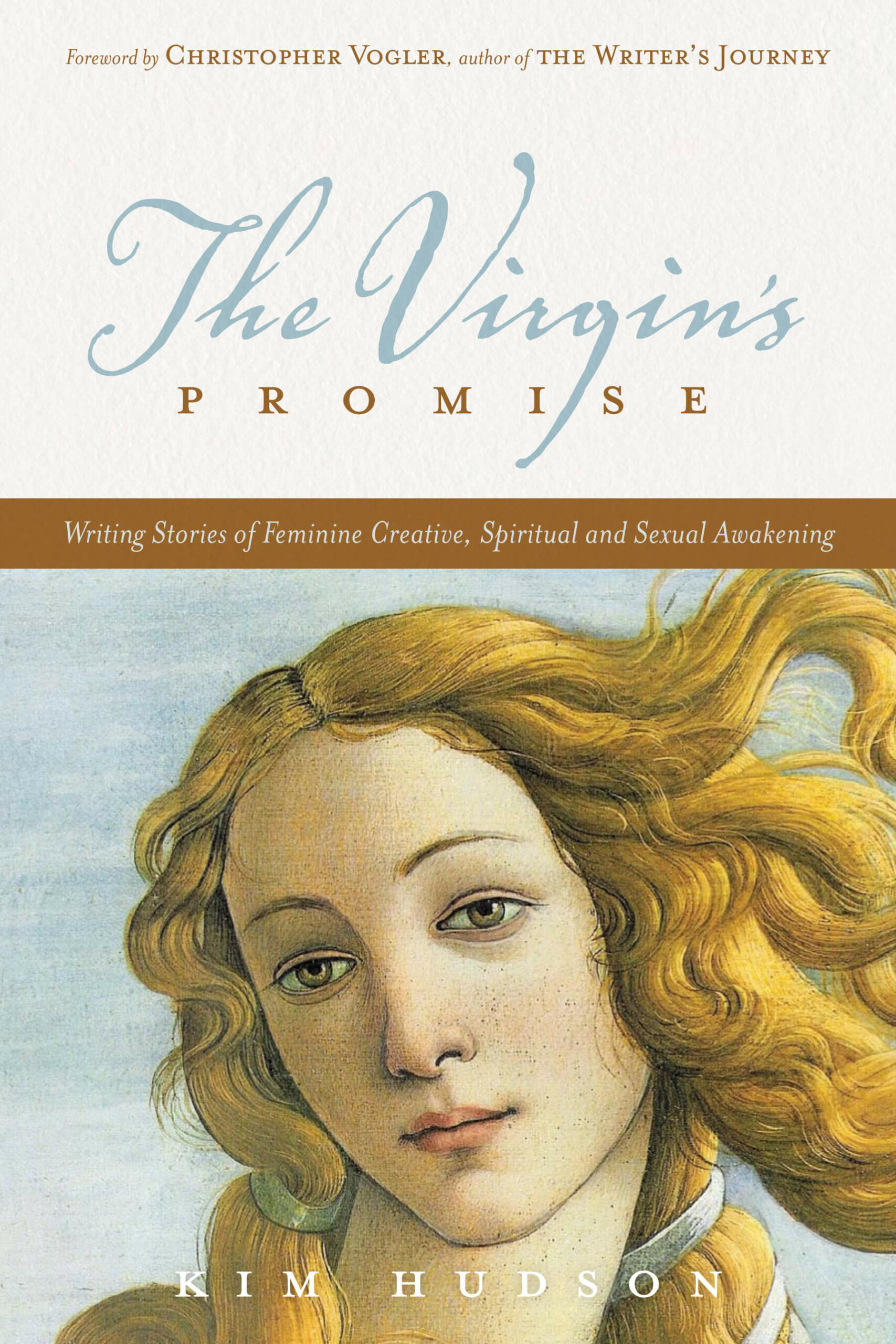
Sale Add to cart Add to wishlist Compare The Virgin’s Promise: Writing Stories of Feminine Creative, Spiritual and Sexual Awakening $21.95 $16.50 Add to cart Add to wishlist Compare
Sale Add to cart Add to wishlist Compare Filmmaking for Teens: Pulling Off Your Shorts (2nd Edition) $20.95 $15.71 Add to cart Add to wishlist Compare
Sale Add to cart Add to wishlist Compare Costume Design 101 (2nd Edition) $24.95 $18.71 Add to cart Add to wishlist Compare
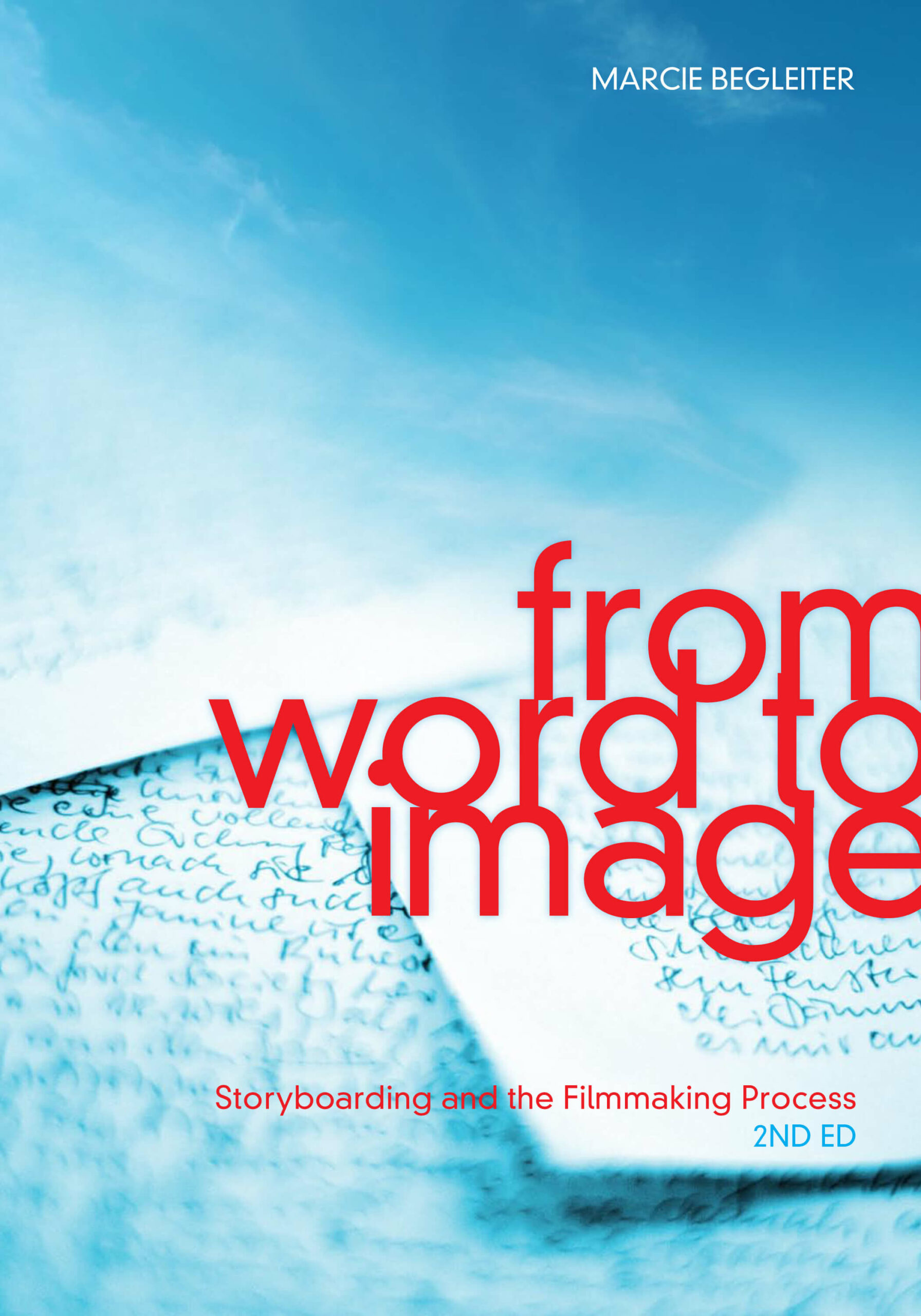
Sale Add to cart Add to wishlist Compare From Word to Image: Storyboarding and the Filmmaking Process $28.95 $21.71 Add to cart Add to wishlist Compare
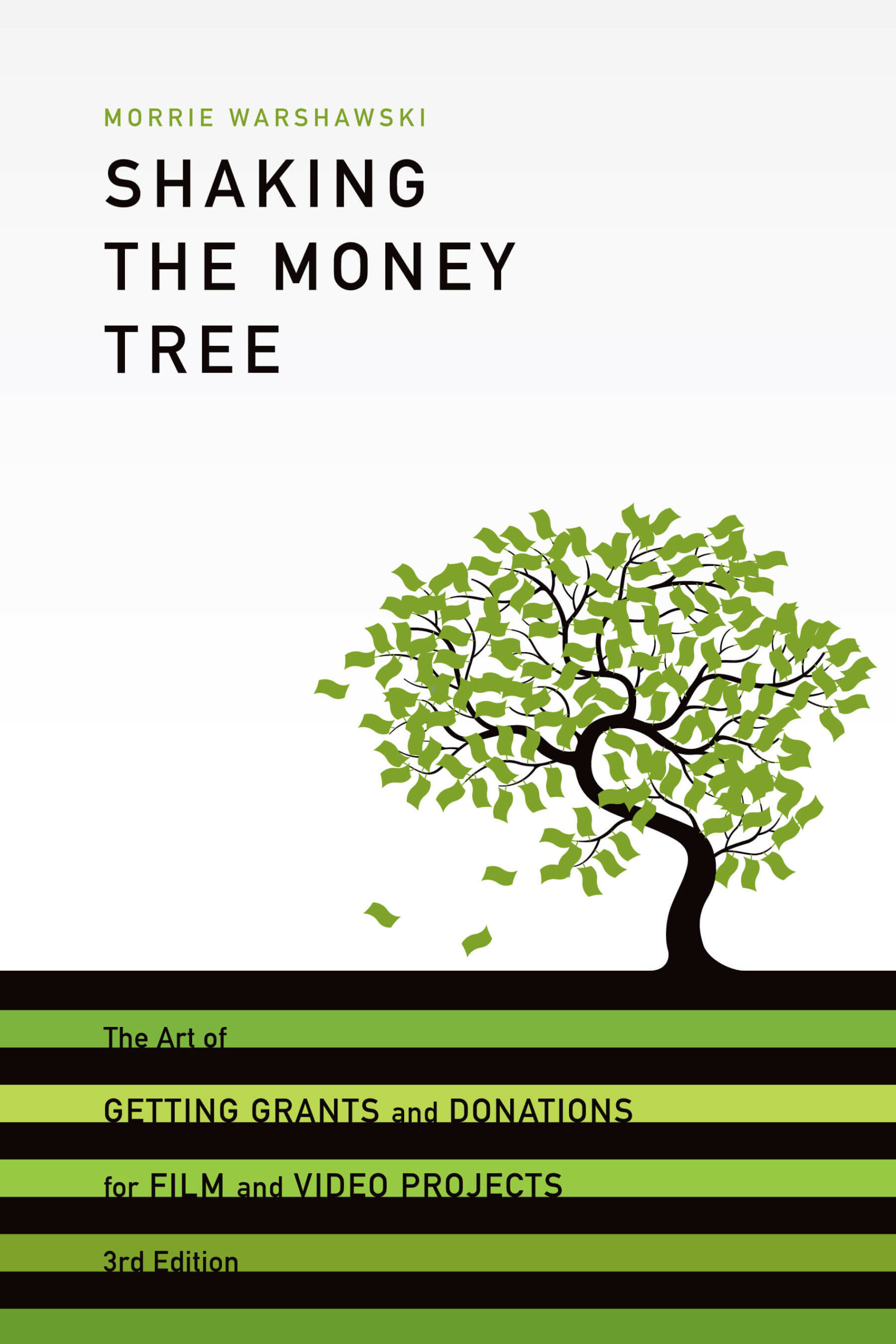
Sale Add to cart Add to wishlist Compare Shaking the Money Tree: The Art of Getting Grants and Donations for Film and Video Projects (3rd Edition) $26.95 $20.21 Add to cart Add to wishlist Compare
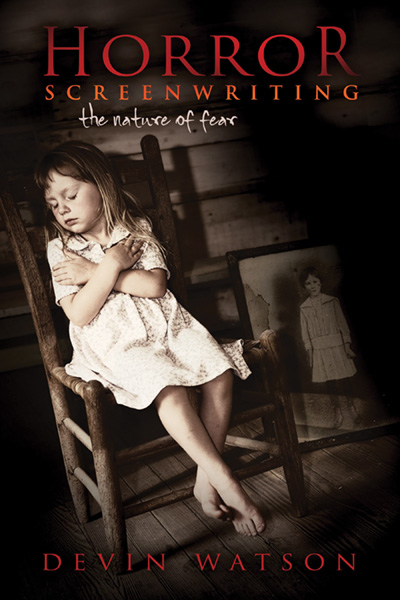
Sale Add to cart Add to wishlist Compare Horror Screenwriting: The Nature of Fear $24.95 $18.71 Add to cart Add to wishlist Compare
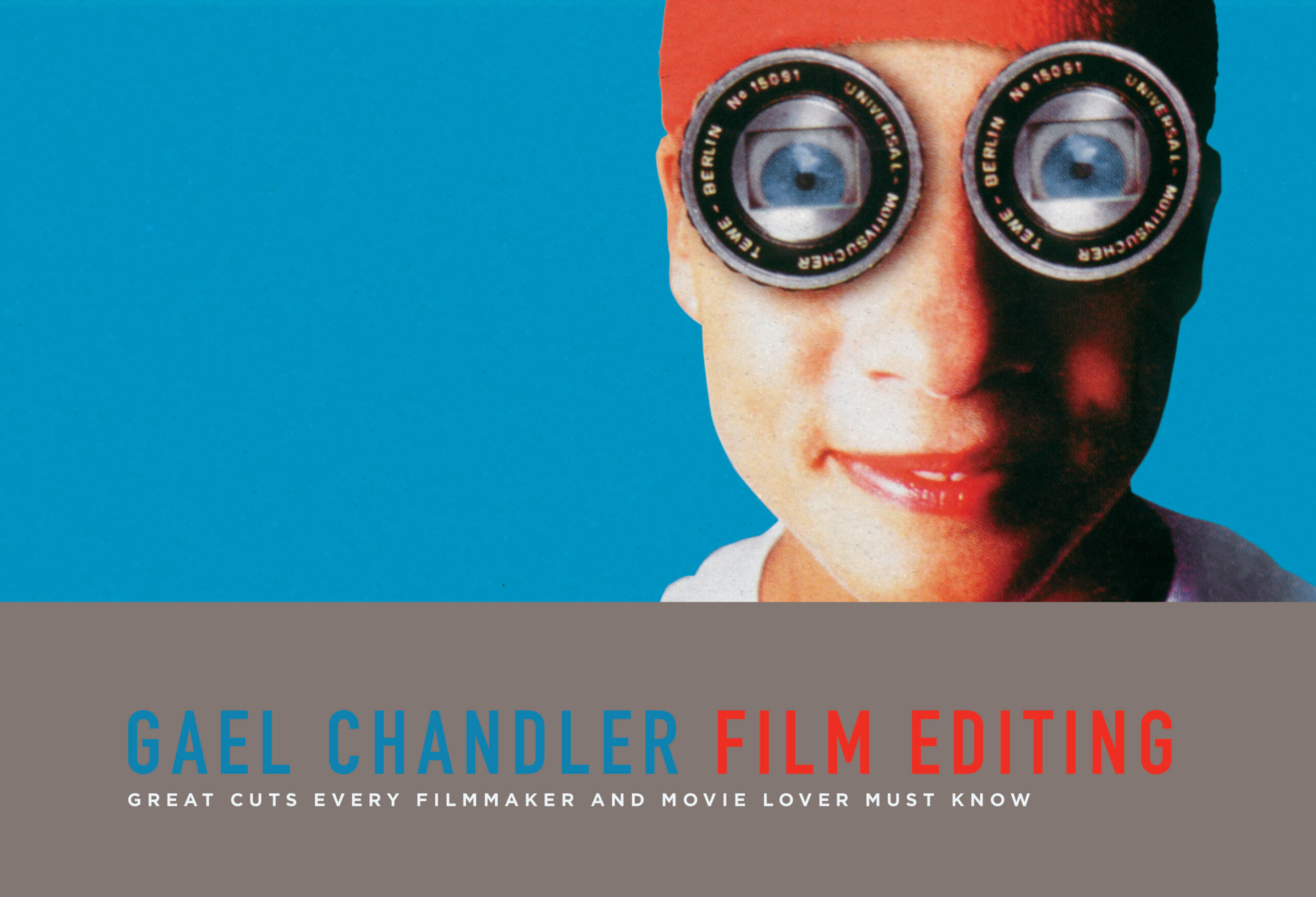
Sale Add to cart Add to wishlist Compare Film Editing: Great Cuts Every Filmmaker and Movie Lover Must Know $34.95 $26.21 Add to cart Add to wishlist Compare
Sale Add to cart Add to wishlist Compare You Can Act! A Complete Guide for Actors $24.95 $18.71 Add to cart Add to wishlist Compare
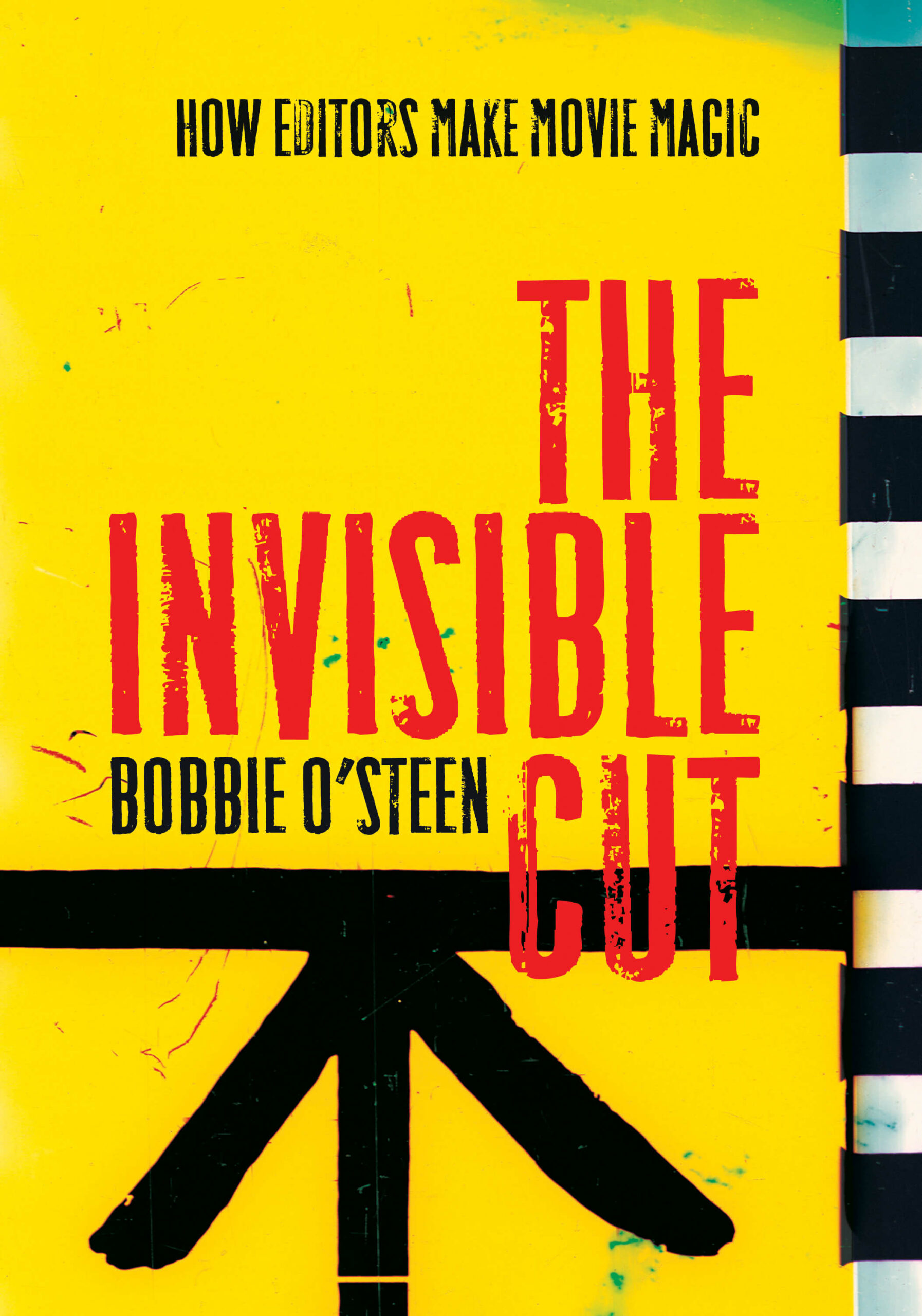
Sale Add to cart Add to wishlist Compare The Invisible Cut: How Editors Make Movie Magic $30.95 $23.20 Add to cart Add to wishlist Compare
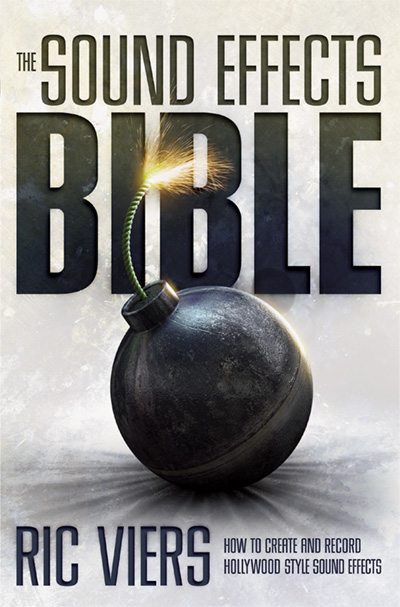
Sale Add to cart Add to wishlist Compare The Sound Effects Bible: How to Create and Record Hollywood Style Sound Effects $28.95 $21.71 Add to cart Add to wishlist Compare
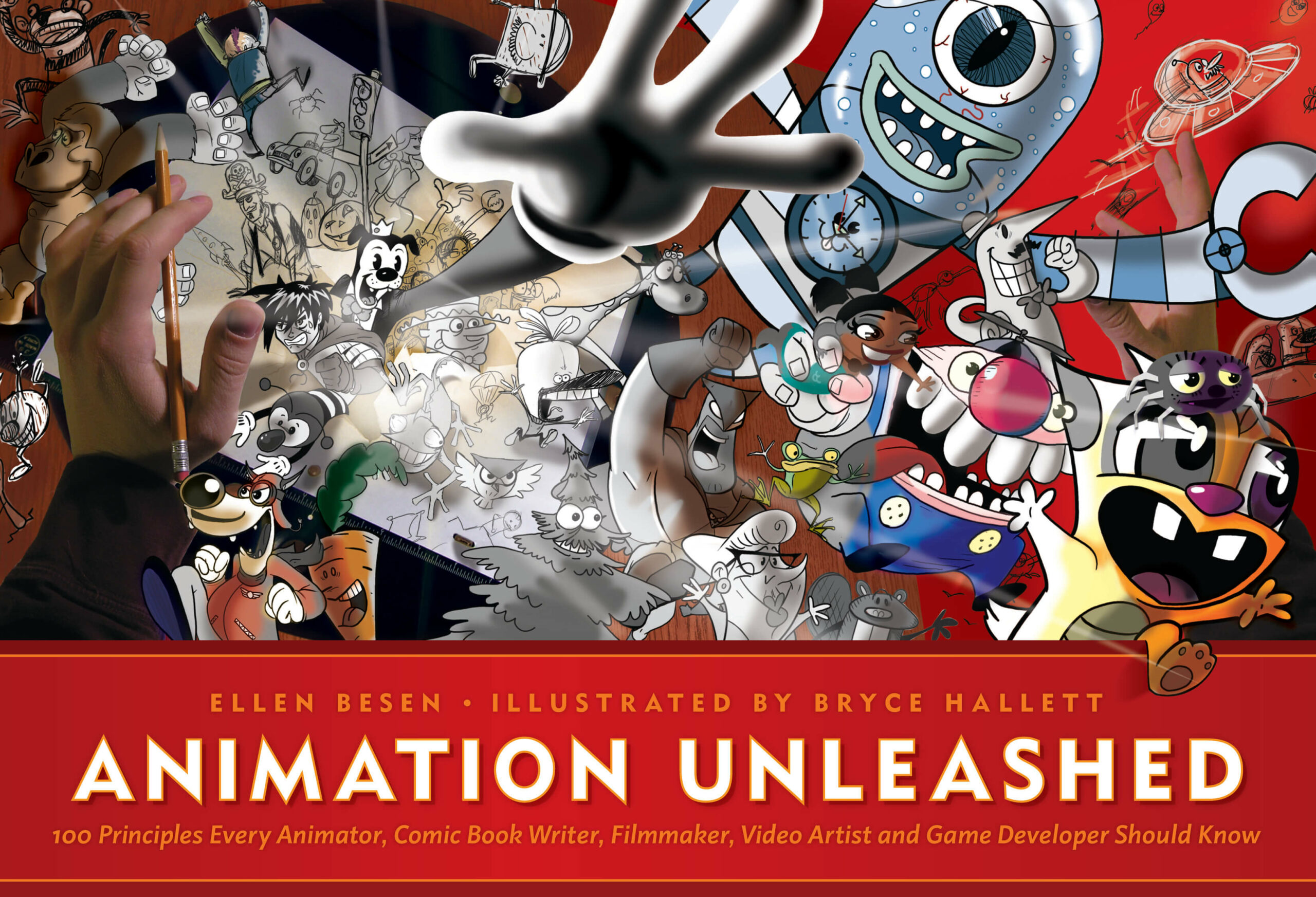
Sale Add to cart Add to wishlist Compare Animation Unleashed: 100 Principles Every Animator, Comic Book Writer, Filmmaker, Video Artist, and Game Developer Should Know $26.95 $20.21 Add to cart Add to wishlist Compare
Sale Add to cart Add to wishlist Compare Setting Up Your Shots: Great Camera Moves Every Filmmaker Should Know (2nd Edition) $27.95 $20.96 Add to cart Add to wishlist Compare
Sale Add to cart Add to wishlist Compare Producing with Passion: Making Films That Change the World $22.95 $17.21 Add to cart Add to wishlist Compare
Sale Add to cart Add to wishlist Compare The Power of the Dark Side: Creating Great Villains and Dangerous Situations $22.95 $17.21 Add to cart Add to wishlist Compare
Sale Add to cart Add to wishlist Compare The Way of Story: The Craft & Soul of Writing $22.95 $17.21 Add to cart Add to wishlist Compare
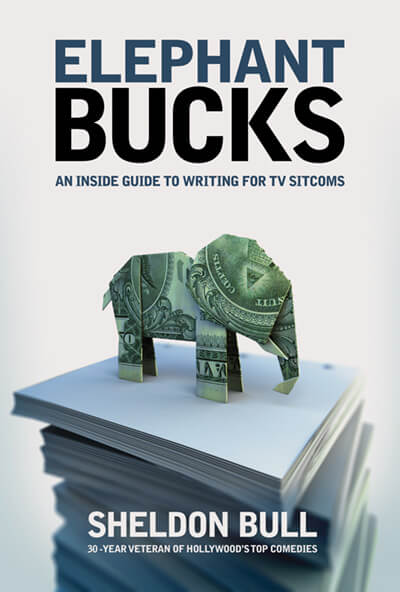
Sale Add to cart Add to wishlist Compare Elephant Bucks: An Inside Guide to Writing for TV Sitcoms $24.95 $18.71 Add to cart Add to wishlist Compare
Sale Add to cart Add to wishlist Compare Screenwriting for Teens: The 100 Principles of Screenwriting Every Budding Writer Must Know $20.95 $15.71 Add to cart Add to wishlist Compare
Sale Add to cart Add to wishlist Compare Selling Your Story in 60 Seconds: The Guaranteed Way to Get Your Screenplay or Novel Read $21.95 $16.46 Add to cart Add to wishlist Compare
Sale Add to cart Add to wishlist Compare I’ll Be In My Trailer: The Creative Wars Between Directors and Actors $26.95 $20.21 Add to cart Add to wishlist Compare
Sale Add to cart Add to wishlist Compare Stealing Fire From The Gods: The Complete Guide to Story for Writers and Filmmakers (2nd Edition) $26.95 $20.21 Add to cart Add to wishlist Compare
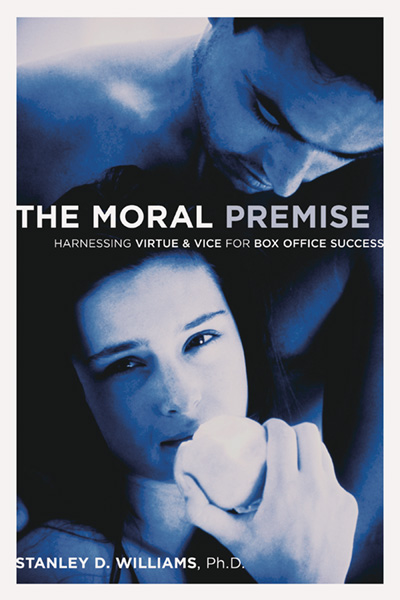
Sale Add to cart Add to wishlist Compare The Moral Premise: Harnessing Virtue & Vice for Box Office Success $24.95 $18.71 Add to cart Add to wishlist Compare
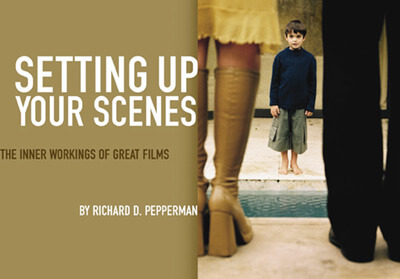
Sale Add to cart Add to wishlist Compare Setting Up Your Scenes: The Inner Workings of Great Films $24.95 $18.71 Add to cart Add to wishlist Compare
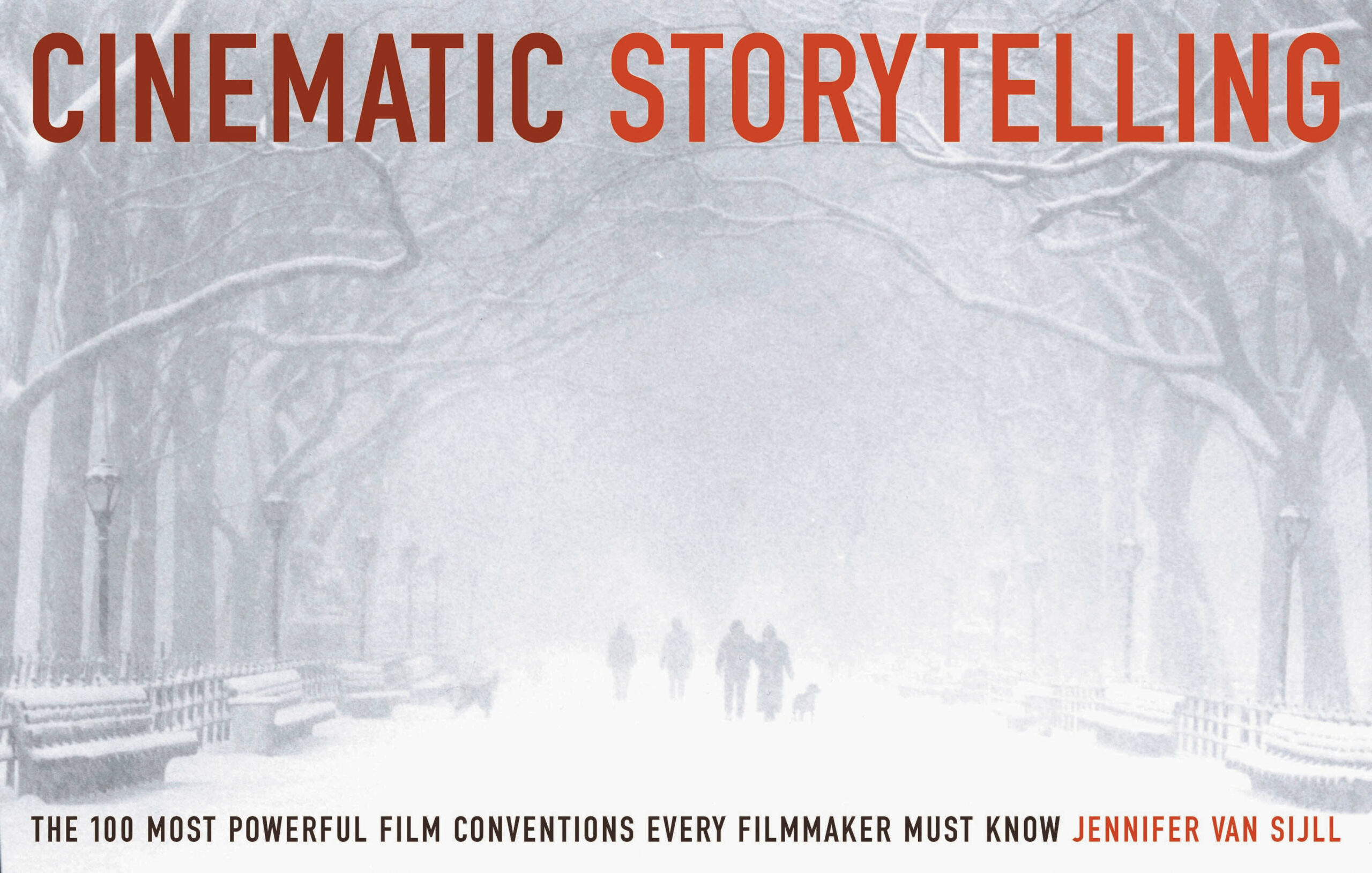
Sale Add to cart Add to wishlist Compare Cinematic Storytelling: The 100 Most Powerful Film Conventions Every Filmmaker Must Know $30.95 $23.20 Add to cart Add to wishlist Compare
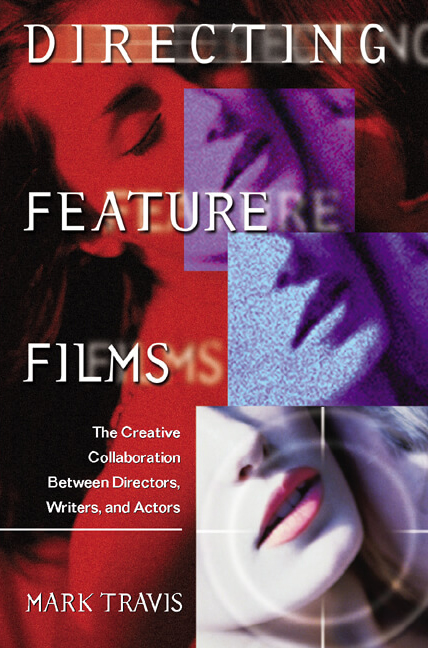
Sale Add to cart Add to wishlist Compare Directing Feature Films: The Creative Collaboration Between Directors, Writers, and Actors $26.95 $20.21 Add to cart Add to wishlist Compare
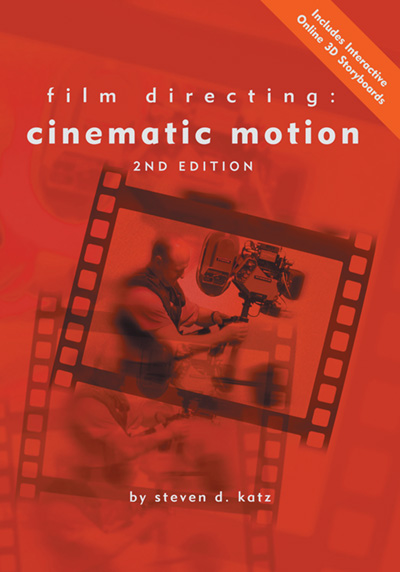
Sale Add to cart Add to wishlist Compare Film Directing: Cinematic Motion (2nd Edition) $29.95 $22.46 Add to cart Add to wishlist Compare
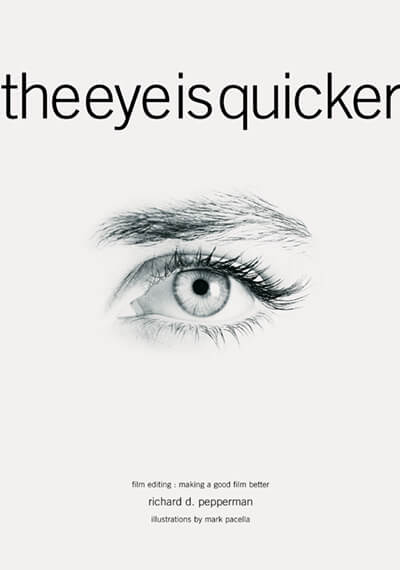
Sale Add to cart Add to wishlist Compare The Eye is Quicker: Film Editing; Making a Good Film Better $27.95 $20.96 Add to cart Add to wishlist Compare
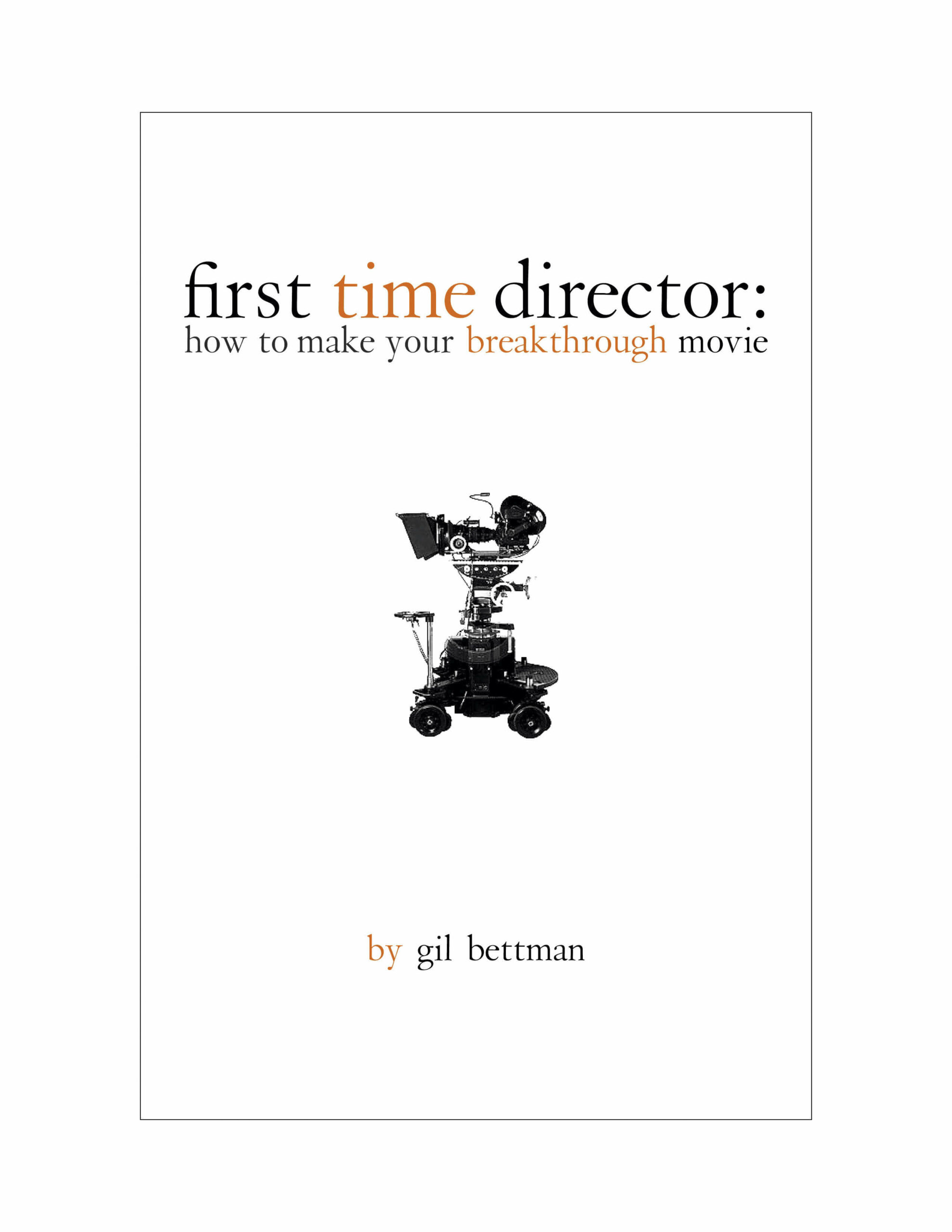
Sale Add to cart Add to wishlist Compare First Time Director: How to Make Your Breakthrough Movie $27.95 $20.96 Add to cart Add to wishlist Compare
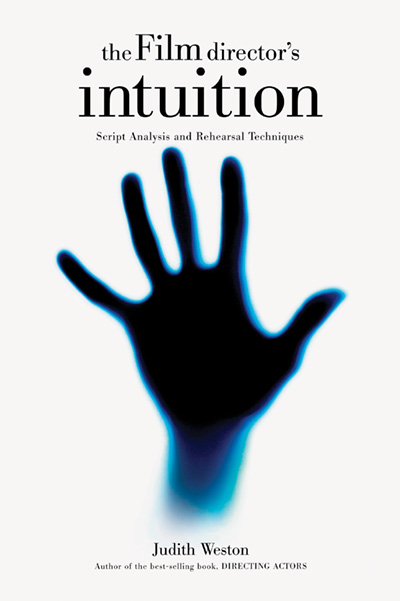
Sale Add to cart Add to wishlist Compare The Film Director’s Intuition: Script Analysis and Rehearsal Techniques $29.95 $22.50 Add to cart Add to wishlist Compare
Sale Add to cart Add to wishlist Compare Hardware Wars (DVD) $14.95 $11.21 Add to cart Add to wishlist Compare
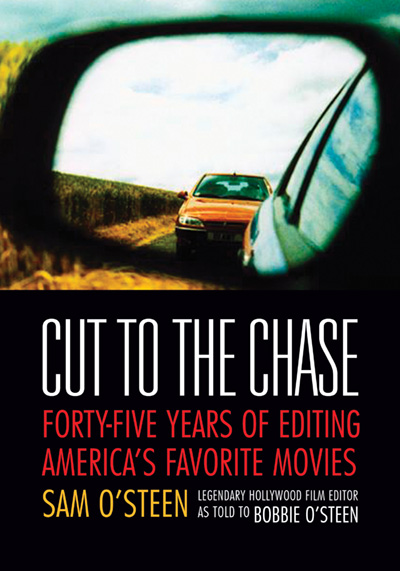
Sale Add to cart Add to wishlist Compare Cut to the Chase: 45 Years of Editing America’s Favorite Movies $24.95 $18.71 Add to cart Add to wishlist Compare
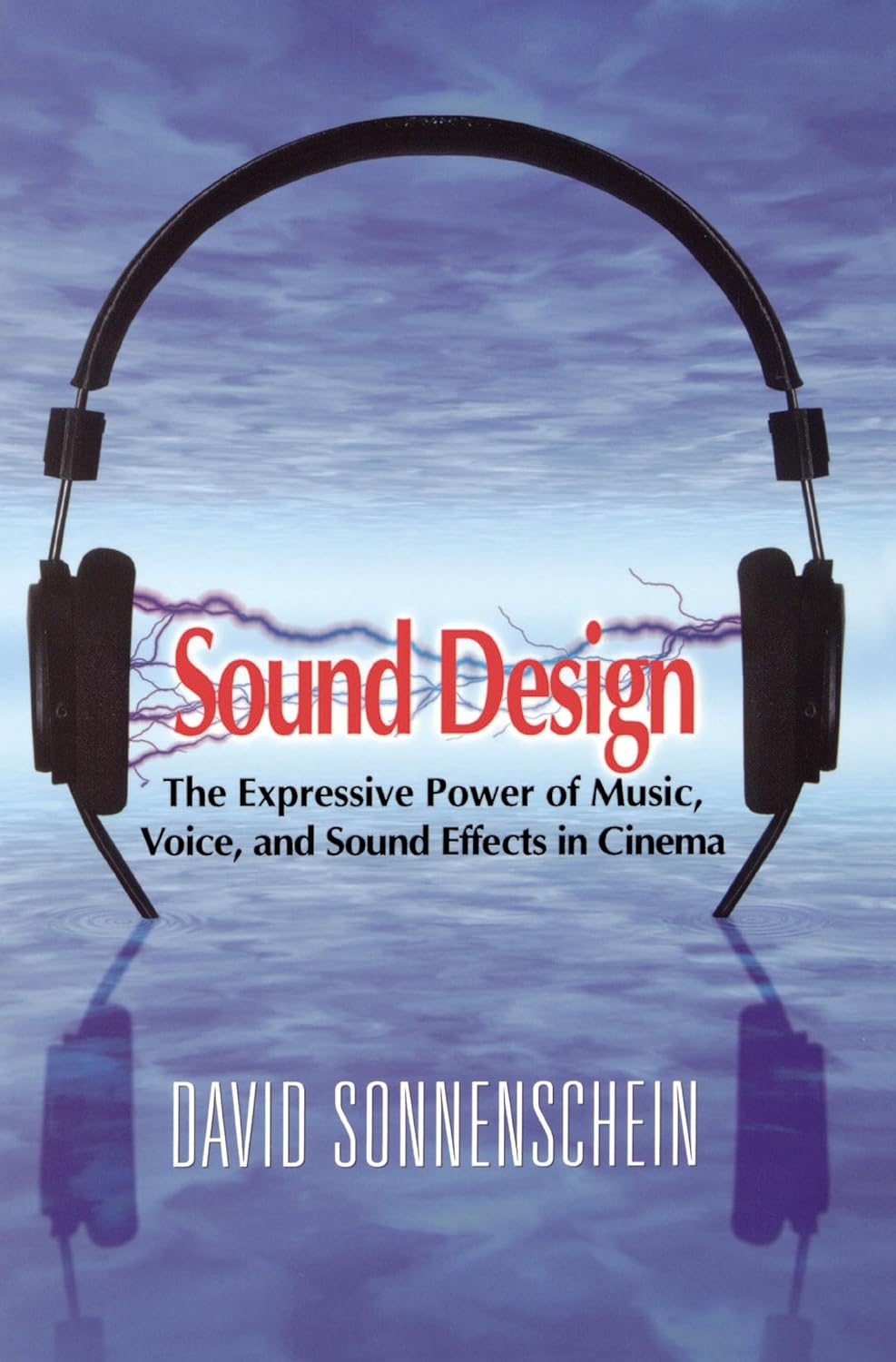
Sale Add to cart Add to wishlist Compare Sound Design: The Expressive Power of Music, Voice and Sound Effects in Cinema and Interactive Media $26.95 $20.21 Add to cart Add to wishlist Compare
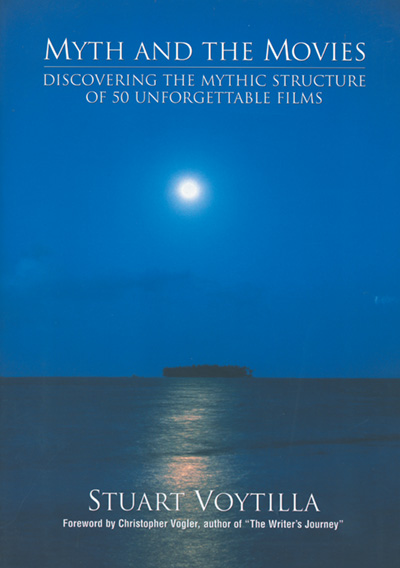
Sale Add to cart Add to wishlist Compare Myth And The Movies: Discovering The Mythic Structure of 50 Unforgettable Films $29.95 $22.50 Add to cart Add to wishlist Compare